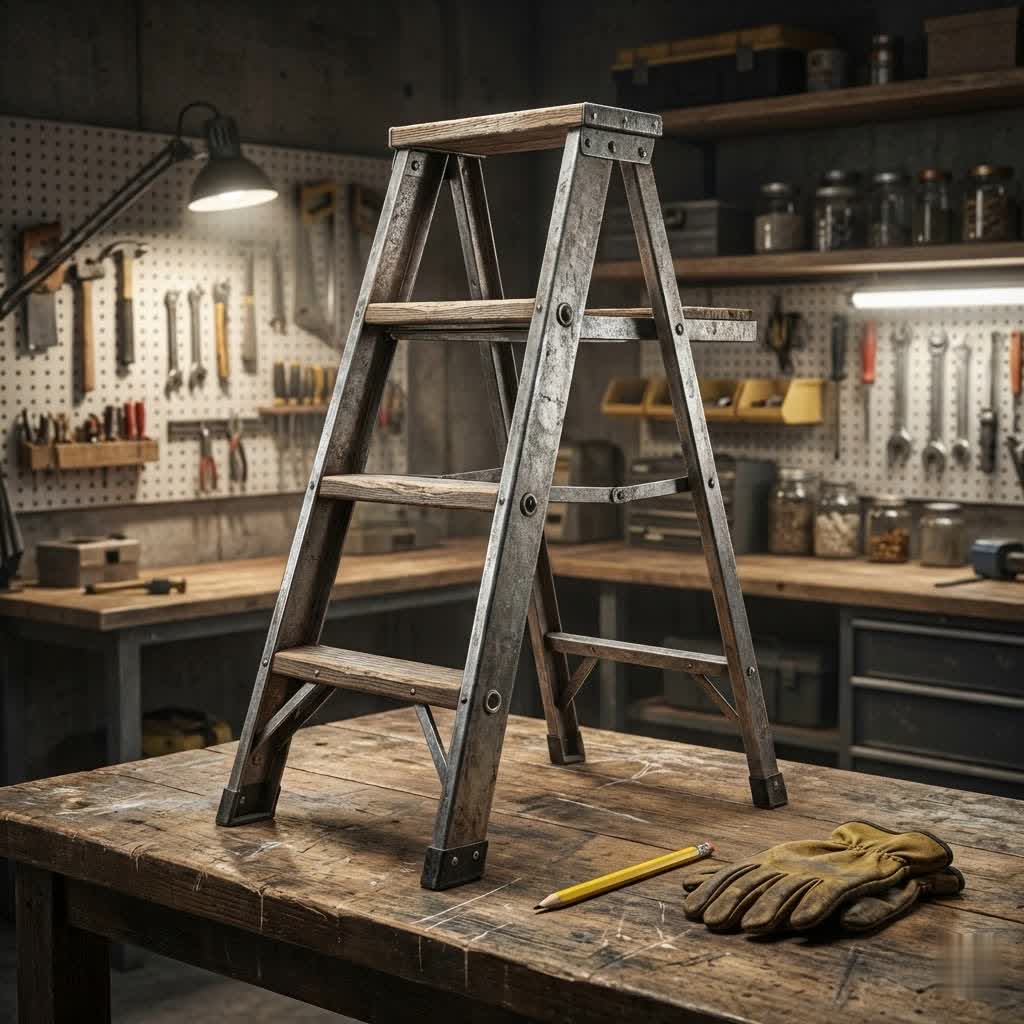
Step ladders are ubiquitous, found in nearly every home and job site, offering convenient access to elevated areas. From changing a light bulb to extensive construction work, these versatile tools are indispensable. However, their very commonness often leads to a dangerous complacency, transforming a simple tool into a significant hazard if not used correctly. The reality is, ladder-related accidents account for thousands of injuries annually, many of which could be entirely preventable with proper knowledge and adherence to safety guidelines. This comprehensive guide will equip you with the essential information to select the right step ladder, understand its critical safety features, and implement best practices for safe usage, ensuring you conquer every task with confidence and security.

Common Step Ladders and Their Safety Aspects
Choosing the appropriate step ladder begins with understanding the different types available and their inherent safety characteristics. Not all step ladders are created equal, and matching the ladder to the task is a fundamental step in preventing accidents.
Household Step Ladders
Household step ladders are typically lightweight and designed for light-duty tasks around the home. They usually range from 3 to 6 feet in height and have a lower weight capacity, often around 200 pounds (Type III).
- Advantages: They are easy to move, store, and are perfect for quick, everyday chores like reaching high shelves, cleaning windows, or minor decorating.
- Disadvantages: Their lighter construction means they are not suitable for heavy tools, sustained work, or demanding environments, and exceeding their weight limit can quickly compromise safety.
- Applications: Ideal for indoor household use, light gardening, or accessing items in a garage.
|
Our Picks for the Best Step Ladder in 2026
We may earn a commission when you use one of our links to make a purchase.
|
||
| Num | Product | Action |
|---|---|---|
| 1 | HBTower Step Ladder,Lightweight Aluminum Folding Step Stool with Anti-Slip Wide Pedal,330lbs Capacity Step Ladder for Household,Kitchen,Office - BlackWoodgrain |

|
| 2 | HBTower Step Ladder,Lightweight Aluminum Folding Step Stool with Anti-Slip Wide Pedal,330lbs Capacity Step Ladder-Black |
|
| 3 | HBTower 2 Step Ladder,2 Step Stool for Adults Folding Step Stool with Cushioned Handle with Wide Anti-Slip Pedal Ergonomic Design |
|
| 4 | HBTower 3 Step Ladder Folding Step Stool, 330 Lbs Capacity Step Stool for Adults, Closet Step Stool Ladder with Anti-Slip Wide Pedals Household Office, White |
|
| 5 | HBTower 3 Step Ladder, 3 Step Stool for Adults, 3 Step Ladder Folding Step Stool with Cushioned Handle Step Ladder with Wide Pedal Ergonomic Design,Black |
|
| 6 | GameGem 3 Step Ladder, Folding Step Stool with Wider Pedal, Anti-Slip Feet & Non Slip Stripes, Aluminum Sturdy Material, 300Lbs Capacity, Elegant Look of Cream Chocolate Better Matches Your Home |
|
| 7 | HBTower 2 Step Ladder, Step Stool for Adults,2 Step Ladder Folding Step Stool with Wide Pedal Ergonomic Design |
|
| 8 | HBtower 2 Step Ladder, Step Stool with Wide Anti-Slip Pedal, Step Ladder Folding Step Stool for Adults, Lightweight Steel Portable ladders for Home Kitchen |
|
| 9 | 2 Step Ladder, Portable Steel Folding Step Stool with Wide Anti-Slip Pedal & Convenient Handgrip, 500lbs Sturdy Steel Ladder, Black |
|
| 10 | 3 Step Ladder, Portable Folding Ladder for Multi-Purpose, Home, Kitchen, Heavy Sturdy Steel Step Stool with Handrail, Anti-Slip Wide Pedals, Safe-Lock Design, Pass 500lbs Load Testing, Black |
|
Commercial Step Ladders
Stepping up in durability, commercial step ladders are built for more frequent use and heavier loads, making them a popular choice for serious DIY enthusiasts and light professional work. These ladders often range from 3 to 12 feet and typically support up to 225 pounds (Type II).
- Advantages: They offer a better balance of portability and robustness, with stronger joints and wider steps for increased comfort and safety during longer tasks.
- Disadvantages: While more durable, they are still not designed for the most rigorous industrial environments or extremely heavy loads.
- Applications: Suitable for painting projects, home renovations, and professional jobs that don’t involve industrial-grade equipment.
Industrial Step Ladders
For demanding professional and industrial settings, industrial step ladders are the go-to choice. These heavy-duty ladders are built to withstand rigorous use and can range from 3 to 20 feet, with duty ratings from 250 pounds (Type I) to 300 pounds (Type IA) and even 375 pounds (Type IAA).
- Advantages: Constructed from robust materials like heavy-gauge aluminum or fiberglass, they offer superior stability, durability, and a higher weight capacity, crucial for carrying heavy tools and materials. Fiberglass ladders are particularly important for electrical work due to their non-conductive properties.
- Disadvantages: They are generally heavier and more expensive, making them less practical for casual household use.
- Applications: Essential for construction sites, industrial maintenance, electrical work, and any job requiring maximum strength and stability.
Guiding Your Choice: Selecting a Safe Step Ladder
Choosing the right step ladder involves more than just picking one that looks sturdy. Several critical factors contribute to a ladder’s safety and suitability for your specific needs. Overlooking these details can lead to instability, damage, or even serious injury.
Understanding Duty Ratings and Weight Capacity
The duty rating indicates the maximum safe load a ladder can support, including your weight, tools, and any materials you are carrying. Always check the label on the side rail. OSHA standards stipulate that ladders must support at least four times the maximum intended load. Never exceed this limit.
- Type III (Light Duty): 200 lbs – for household use.
- Type II (Medium Duty): 225 lbs – for commercial use, professional painting.
- Type I (Heavy Duty): 250 lbs – for industrial use.
- Type IA (Extra Heavy Duty): 300 lbs – for heavy industrial use.
- Type IAA (Extra Heavy Duty): 375 lbs – for extremely heavy industrial use.
Selecting the Right Height
The ideal ladder height allows you to work comfortably without having to stand on the top cap or overreach. To determine the working height, consider your maximum comfortable reach while standing two steps below the top of the ladder. Never stand on the top step or the pail shelf; these are not designed for standing. An appropriate ladder will enable you to reach your work area with a slight bend in your arms, keeping your belt buckle between the ladder’s side rails.
Material Matters: Aluminum vs. Fiberglass
The material of your step ladder plays a crucial role in its safety, especially depending on the environment you’re working in.
- Aluminum Ladders: These are lightweight and corrosion-resistant, making them easy to transport and ideal for general tasks where electrical hazards are not present. However, aluminum conducts electricity, posing a significant risk if it contacts live electrical sources.
- Fiberglass Ladders: Fiberglass is non-conductive, making it the safest choice for any work involving electricity or proximity to power lines. While slightly heavier than aluminum, fiberglass offers superior strength and durability, often preferred for industrial and construction sites.
Essential Safety Features
When evaluating a step ladder, look for specific design elements that enhance safety:
- Spreader Bars: These metal bars lock the ladder into an open, stable “A” frame position. Ensure they are fully engaged before use.
- Slip-Resistant Feet: The feet should be made of a non-marring material and be in good condition to prevent the ladder from sliding on various surfaces.
- Wide Steps with Anti-Slip Treads: Wider steps provide more secure footing and reduce fatigue. Anti-slip treads, often ribbed or textured, offer crucial grip.
- Tool Tray/Top Cap: Many step ladders feature a convenient top cap or tray for holding tools and small materials, keeping your hands free and reducing the need to climb up and down.
Inspection and Labeling
Before purchasing and certainly before every use, inspect the ladder. Check for cracks, dents, bent rails, loose or missing steps, and damaged anti-slip feet. All warning labels, duty ratings, and manufacturer’s instructions should be legible and unobstructed. If a ladder is damaged or labels are unreadable, it should be tagged “Do Not Use” and removed from service immediately.
“A ladder is only as safe as its user. Consistent inspection and adherence to manufacturer guidelines are paramount for preventing avoidable accidents.” – Dr. Eleanor Vance, Occupational Safety Specialist
Safe Practices: Using Your Step Ladder Effectively
Even the safest step ladder can become a hazard without proper usage. Following established safety protocols is essential for protecting yourself and those around you.
Pre-Use Inspection: Your First Line of Defense
Make it a habit to inspect your step ladder every single time you use it, whether it’s for a quick household chore or a demanding job.
- Check for Damage: Look for any visible damage like cracks, dents, bends in the rails, loose steps, or missing hardware.
- Ensure Stability: Verify that all four feet are present, in good condition, and free from mud, paint, or other slippery substances. Confirm that the spreader bars operate smoothly and lock securely.
- Cleanliness: Ensure steps are clean and free of grease, oil, or debris that could cause a slip.
- Labels: Check that all safety labels and instructions are clear and readable.
If you find any defects, tag the ladder “Do Not Use” and have it repaired by a qualified professional or dispose of it responsibly.
Proper Setup: The Foundation of Safety
A correctly set up ladder is a stable ladder.
- Level and Firm Surface: Always place your step ladder on a firm, level, and dry surface. Uneven ground, soft soil, or slippery floors can cause instability and falls.
- Fully Open and Locked: Ensure the step ladder is fully opened, with its spreader bars locked into place. Never use a step ladder in a partially open position or lean a folded step ladder against a wall. It is designed to be self-supporting.
- Clear the Area: Keep the area around the base of the ladder clear of debris, tools, and other obstructions to prevent tripping hazards.
- Avoid Unstable Bases: Never place a step ladder on top of other objects like boxes, barrels, or scaffolding to gain extra height. This creates an extremely unstable and dangerous working platform.
Climbing and Working Safely: Maintaining Control
Your actions on the ladder are just as critical as its condition and setup.
- Three Points of Contact: When ascending or descending, always maintain three points of contact with the ladder. This means two hands and one foot, or two feet and one hand, are always in contact with the ladder. This ensures maximum stability and balance.
- Face the Ladder: Always face the ladder when climbing up or down. Never slide down the stiles.
- Centered Body Position: Keep your body centered on the ladder, with your belt buckle between the side rails. This keeps your center of gravity stable. Avoid leaning excessively to one side or overreaching, as this can easily cause the ladder to tip. Instead, climb down and reposition the ladder closer to your work area.
- No Top Step/Top Cap: Never stand on the top step or the top cap of a step ladder. These areas are not designed to bear weight and can lead to a loss of balance.
- Hands-Free Climbing: Avoid carrying tools or materials in your hands while climbing. Use a tool belt, hoist system, or have someone hand them to you once you are safely in position.
- Avoid Side Loading: Be cautious of work that might impose a side load, such as drilling into a solid wall from the side of the ladder. If side loading cannot be avoided, ensure the ladder is tied off or secured to prevent tipping, or use more suitable access equipment.
Staying Aware of Your Surroundings
Always be mindful of potential hazards in your work environment.
- Electrical Hazards: When working near overhead power lines or electrical sources, use a non-conductive fiberglass or wooden ladder. Maintain a minimum horizontal clearance of 6 meters (20 feet) from power lines unless they are de-energized or insulated.
- Doorways: Do not use ladders in front of closed doors unless the doors are locked, blocked, or properly barricaded and someone is assigned to guard them.
- High-Traffic Areas: If working in a high-traffic area, clearly mark or barricade your work zone to alert others and prevent accidental bumps or collisions.
Features of Top-Rated Safe Step Ladders
While specific brands and models are outside the scope of this general guide, understanding the common features found in top-rated Safe Step Ladders can help you make an informed choice. These ladders prioritize user safety, durability, and versatility.
- Robust Construction: Top-tier step ladders are often built with aerospace-grade aluminum or high-grade fiberglass, ensuring exceptional strength-to-weight ratios and longevity. Look for reinforced components and heavy-duty hardware.
- Wide, Anti-Slip Steps: Enhanced safety often comes from steps that are wider and deeper than standard, providing a more stable platform for your feet. Aggressive anti-slip textures or rubberized surfaces are also key.
- Ergonomic and Functional Top Caps: Many premium models feature multi-functional top caps designed with integrated tool trays, magnetic strips for small parts, or even utility slots for paint cans or wires. This keeps essential items within easy reach, minimizing risky movements.
- Advanced Locking Mechanisms: While all step ladders have spreaders, higher-quality models often feature more robust and intuitive locking mechanisms, sometimes with visual indicators that confirm they are fully engaged.
- Non-Marring Foot Pads: Quality ladders come with durable, non-marring feet that provide excellent grip on various surfaces without scratching or damaging floors. Some even offer articulating feet for better contact on uneven terrain.
- Compliance with Safety Standards: Look for ladders that meet or exceed industry safety standards such as those from OSHA (Occupational Safety and Health Administration) in the US, or EN (European Norm) standards internationally, ensuring they have undergone rigorous testing.
Conclusion
Step ladders are invaluable tools, but their convenience should never overshadow the critical importance of safety. By choosing the correct duty rating and height, opting for appropriate materials like non-conductive fiberglass for electrical work, and diligently inspecting your ladder before each use, you lay a solid foundation for accident prevention. Remember to always set up your ladder on a firm, level surface, fully engage all locking mechanisms, and maintain three points of contact while ascending, descending, or working. Never stand on the top step or overreach; repositioning the ladder is always safer than risking a fall.
Making safety a priority in every task involving a step ladder not only protects you but also sets a positive example for others. Invest in a high-quality, safe step ladder that meets your needs and commit to following these best practices. When it comes to working at heights, your vigilance is your greatest asset.
What is the single most common mistake you see people make with a step ladder, and how do you ensure you avoid it?
Frequently Asked Questions
Can I stand on the very top step or top cap of a step ladder?
No, you should never stand on the top step or the top cap of a step ladder. These parts are not designed for standing and doing so significantly increases your risk of losing balance and falling. Always maintain a safe working height by standing at least two steps below the top.
How often should I inspect my step ladder?
You should perform a thorough visual inspection of your step ladder every single time before you use it. This includes checking for any damage, ensuring all parts are secure, and verifying that the steps are clean and slip-free.
What is the “three points of contact” rule when using a ladder?
The “three points of contact” rule means that when climbing up or down a ladder, or while working from it, you should always have two hands and one foot, or two feet and one hand, in contact with the ladder at all times. This maximizes your stability and reduces the risk of a fall.
What material step ladder is best for electrical work?
Fiberglass step ladders are the safest choice for electrical work because fiberglass is a non-conductive material. Aluminum ladders conduct electricity and should never be used near live electrical sources.
How do I choose the right height step ladder for my task?
To choose the right height, determine the maximum height you need to reach. Then, select a ladder that allows you to comfortably work from a position where you are standing at least two steps below the top of the ladder, without having to overreach or stand on the top step.