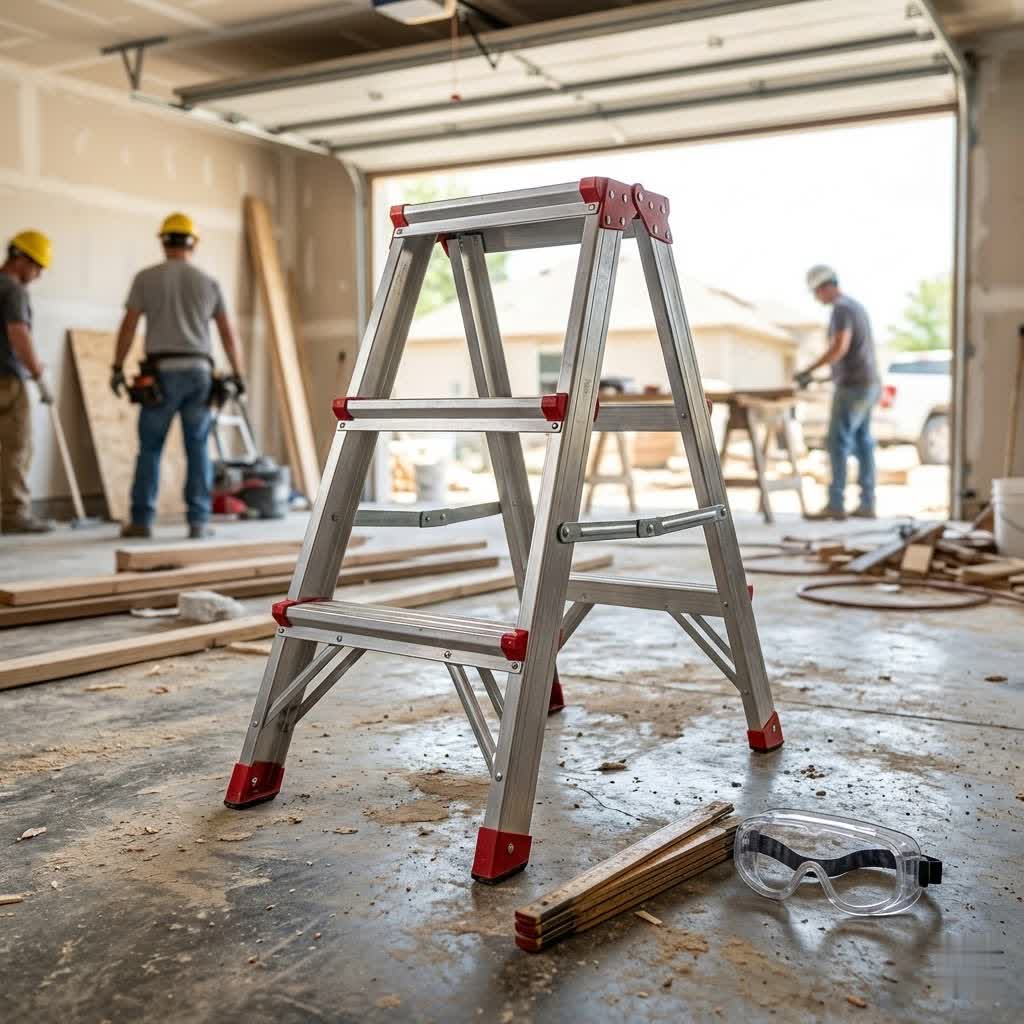
Ladder steps are critical components for safety and stability when working at height, providing the essential footing for users. Understanding their design, materials, and safety features is paramount for both professionals and DIY enthusiasts to ensure optimal performance and unwavering safety. This guide details the types, construction, and maintenance of ladder steps to enhance user knowledge and prevent accidents.
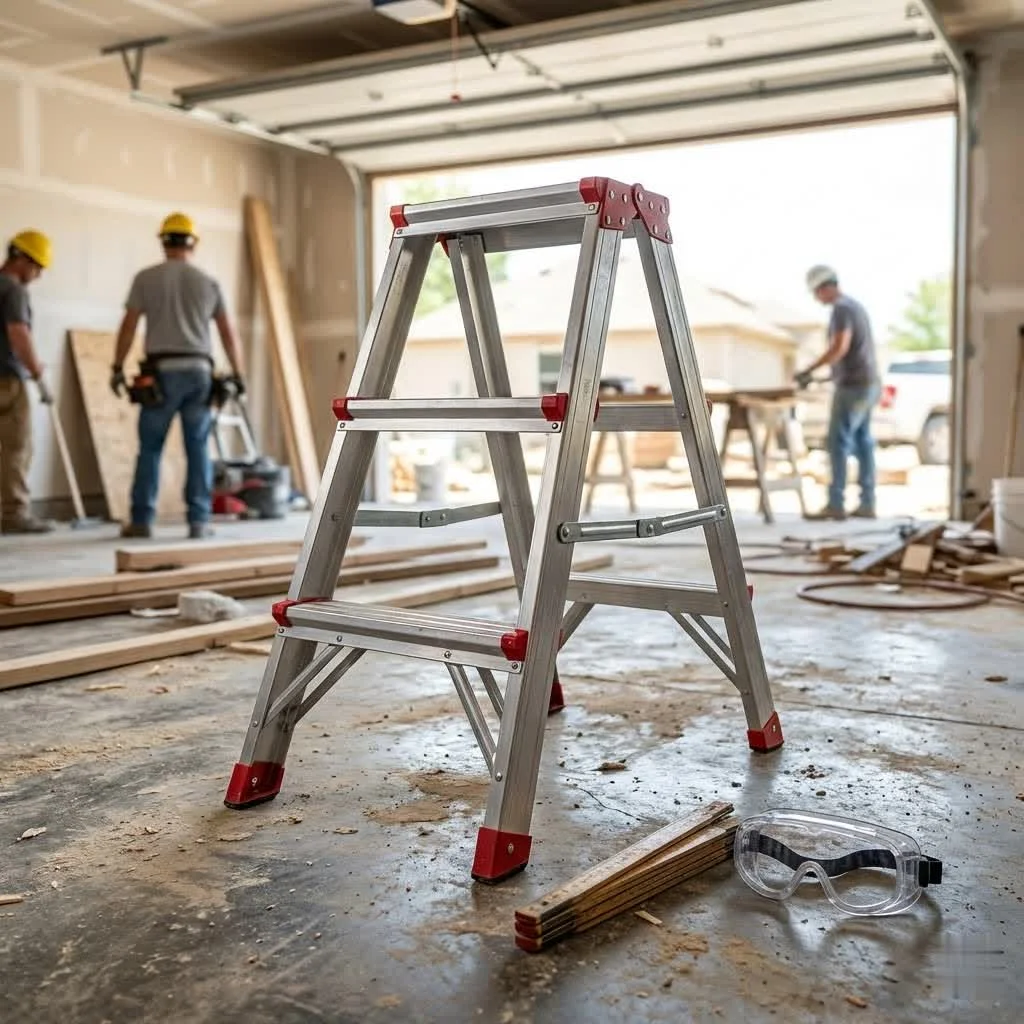
The Foundation of Ascent: Types of Ladder Steps and Rungs
The terms “steps” and “rungs” are frequently used interchangeably, yet they refer to distinct designs tailored for different ladder types and applications. Recognizing these differences is the first step toward informed ladder use. For best home roundups on this site.
Distinguishing Between Steps and Rungs
When we talk about a step on a ladder, we typically refer to the flat, broader climbing surface found on stepladders. These steps are designed for comfort and stability, allowing users to stand for longer periods with more foot contact. Rungs, on the other hand, are the cylindrical or D-shaped cross-pieces commonly found on extension ladders, fixed ladders, and some straight ladders. Their design prioritizes grip and strength for vertical climbing. While both serve as points of ascent, their forms dictate their primary function and suitability for different tasks.
Materials: The Backbone of Every Step
The material composition of a ladder’s steps or rungs significantly impacts its strength, weight, durability, and suitability for specific environments.
- Aluminum: Lightweight and corrosion-resistant, aluminum steps are popular for general household and light-to-medium industrial use. Their portability makes them a favorite among painters and those who frequently move their ladders. However, aluminum conducts electricity, making it unsuitable for tasks near live power sources.
- Fiberglass: The material of choice for electricians and utility workers, fiberglass is non-conductive, offering crucial protection against electrical hazards. While heavier than aluminum, fiberglass steps are robust, weather-resistant, and won’t corrode, making them ideal for outdoor and professional environments.
- Wood: Historically significant, wooden ladders with wooden steps or rungs were once ubiquitous. While less common in modern manufacturing due to weight and maintenance, serviceable older wooden ladders can still be found. They are non-conductive, like fiberglass, but require more diligent care to prevent rot, splinters, or structural degradation.
- Steel: Primarily used in heavy-duty fixed ladders or industrial applications, steel steps and rungs offer immense strength and durability. They are resistant to heavy loads and impacts but are susceptible to corrosion if not properly treated or maintained. Their considerable weight makes them impractical for portable ladders.
The choice of material for the steps directly influences a ladder’s safety rating and its recommended applications, making it a critical consideration for any user.
Engineering for Elevation: Design and Construction of Ladder Steps
The design and construction of each step on a ladder are far from arbitrary; they are the result of meticulous engineering guided by rigorous safety standards to ensure secure and efficient climbing.
Critical Dimensions and Spacing
|
Our Picks for the Best Step Ladder in 2026
As an Amazon Associate I earn from qualifying purchases.
|
||
| Num | Product | Action |
|---|---|---|
| 1 | HBTower Step Ladder,Lightweight Aluminum Folding Step Stool with Anti-Slip Wide Pedal,330lbs Capacity Step Ladder for Household,Kitchen,Office - BlackWoodgrain |

|
| 2 | 3 Step Ladder, Portable Folding Ladder for Multi-Purpose, Home, Kitchen, Heavy Sturdy Steel Step Stool with Handrail, Anti-Slip Wide Pedals, Safe-Lock Design, Pass 500lbs Load Testing, Black |
|
| 3 | HBTower 2 Step Ladder,2 Step Stool for Adults Folding Step Stool with Cushioned Handle with Wide Anti-Slip Pedal Ergonomic Design |
|
| 4 | HBTower 2 Step Ladder, Step Stool for Adults,2 Step Ladder Folding Step Stool with Wide Pedal Ergonomic Design |
|
| 5 | 2 Step Ladder, Portable Steel Folding Step Stool with Wide Anti-Slip Pedal & Convenient Handgrip, 500lbs Sturdy Steel Ladder, Black |
|
| 6 | HBTower 3 Step Ladder Folding Step Stool, 330 Lbs Capacity Step Stool for Adults, Closet Step Stool Ladder with Anti-Slip Wide Pedals Household Office, White |
|
| 7 | HBTower 3 Step Ladder, 3 Step Stool for Adults, 3 Step Ladder Folding Step Stool with Cushioned Handle Step Ladder with Wide Pedal Ergonomic Design,Black |
|
| 8 | GameGem 3 Step Ladder, Folding Step Stool with Wider Pedal, Anti-Slip Feet & Non Slip Stripes, Aluminum Sturdy Material, 300Lbs Capacity, Elegant Look of Cream Chocolate Better Matches Your Home |
|
| 9 | HBtower 2 Step Ladder, Step Stool with Wide Anti-Slip Pedal, Step Ladder Folding Step Stool for Adults, Lightweight Steel Portable ladders for Home Kitchen |
|
| 10 | HBTower Step Ladder,Lightweight Aluminum Folding Step Stool with Anti-Slip Wide Pedal,330lbs Capacity Step Ladder-Black |
|
Standardized dimensions are fundamental to ladder safety, promoting ergonomic climbing and reducing the risk of falls.
- Uniform Spacing: For extension and fixed ladders, rungs are typically spaced uniformly between 10 to 14 inches apart, measured from centerline to centerline. Step stools and stepladders may have steps spaced from 8 to 12 inches apart. This consistent spacing ensures a predictable rhythm for climbing, preventing missteps or overextension.
- Width and Depth Requirements: Portable ladder steps and rungs generally have a minimum width of 11.5 inches, while fixed ladders often require 16 inches. The depth of flat steps on a stepladder is usually greater than that of rungs on an extension ladder, offering more foot surface. Metal rungs often have a minimum diameter of ¾ inch, while wooden rungs are thicker, at least 1 ⅛ inches.
- Clearance: Adequate clearance is vital. There must be at least 7 inches of clearance between the centerline of the rungs and the structure behind the ladder. A minimum perpendicular distance of 30 inches from the centerline of the steps or rungs to the nearest object on the climbing side is typically required to allow for unobstructed movement.
Enhancing Grip and Stability
Slips are a leading cause of ladder accidents. Therefore, ladder steps are engineered with various features to maximize foot grip.
- Anti-Slip Features: Modern ladder steps incorporate advanced anti-slip technologies. These can include knurling (a pattern of small grooves), dimpling (raised dots), serrations (ridges), rubberized coatings, shot blasting, or specialized slip-resistant tapes. These textures significantly increase friction between footwear and the step surface, even in damp or dirty conditions.
- Connection to Side Rails: The integrity of how steps or rungs are attached to the side rails is crucial for the ladder’s overall strength. Common attachment methods include riveting, swaging (a process that expands the rung ends into the side rail), or bolting. These connections are designed to withstand significant vertical and lateral forces, ensuring the step remains rigidly in place under load.
Weight Capacity and Durability
Every ladder and its components, including the steps, are built to specific duty ratings, indicating the maximum weight they can safely support.
- Duty Ratings: The American Ladder Institute (ALI) and ANSI define several duty ratings:
- Type III (Light Duty): 200 lbs
- Type II (Medium Duty): 225 lbs
- Type I (Heavy Duty): 250 lbs
- Type IA (Extra Heavy Duty): 300 lbs
- Type IAA (Special Duty): 375 lbs
These ratings cover the combined weight of the user, tools, and materials. Understanding your ladder’s duty rating and ensuring its steps can handle the intended load is a critical safety measure.
- Structural Integrity: Beyond material strength, the overall structural integrity of the step-to-rail connection and the step itself is paramount. A well-engineered step distributes weight evenly and resists bending or breaking, even under dynamic loads during climbing.
Stepping Up Safely: Essential Safety Features and Standards
The safety of ladder steps is not left to chance. A robust framework of regulations and built-in features ensures that every climb is as secure as possible.
Regulatory Frameworks
Organizations like the Occupational Safety and Health Administration (OSHA) and the American National Standards Institute (ANSI) set stringent guidelines for ladder manufacturing and use. These standards dictate everything from rung spacing and width to material strength and testing procedures. Manufacturers must comply with these regulations, and users are expected to follow established safety protocols. For example, OSHA requires rungs to be uniformly spaced 10-14 inches apart and at least 16 inches wide for fixed ladders. Adherence to these standards, both in production and practice, minimizes risks.
Built-in Safety Innovations
Beyond basic dimensions, modern ladder steps often incorporate features specifically designed to enhance user safety.
- Non-Slip Treads: As discussed, advanced surface treatments are a primary safety feature, providing critical traction in various conditions.
- Integrated Platforms: Many stepladders and some multi-purpose ladders feature a wide, stable platform at the top, offering a more secure standing area for tasks requiring longer periods at height. These platforms often come with guardrails for added security.
- Visual Indicators: Ladder labels frequently include markings indicating the “highest safe standing level.” This helps users avoid standing on the very top step or rung, which can lead to instability and falls. For stepladders, this often means not standing on the top cap or the step immediately below it.
Pre-Use Inspection and Maintenance of Steps
Even the best-designed ladder steps can become hazardous if damaged or poorly maintained. A thorough inspection before each use is non-negotiable.
- Checking for Damage: Always examine each step for signs of wear or damage. Look for bends, cracks, dents, loose connections where the step meets the side rails, or excessive wear on anti-slip surfaces. Any structural damage to a step compromises the entire ladder’s safety.
- Cleaning Steps: Steps must be kept free of oil, grease, paint, mud, ice, or any other slippery substances. A clean step provides the intended grip, while a dirty one is a significant slip hazard.
- “Dangerous – Do Not Use” Tagging Policy: If any damage or defect is found, the ladder must be immediately tagged with “Dangerous – Do Not Use” and removed from service until it can be competently repaired or replaced. Makeshift repairs are strictly prohibited as they can lead to catastrophic failure.
“The smallest defect in a ladder step can have the largest consequences. Regular inspection isn’t just a recommendation; it’s a lifeline.” – Johnathan Hayes, Certified Ladder Safety Expert.
Guiding Your Climb: Choosing and Maintaining Ladder Steps
Selecting the appropriate ladder and consistently practicing safe climbing techniques, particularly concerning its steps, are crucial for preventing accidents and ensuring longevity.
Selecting the Right Ladder for Your Task
The type of task and environment should dictate your ladder choice, with a focus on the step design.
- Matching Step Type to Application: For tasks requiring you to stand for extended periods, such as painting or detailed work, a stepladder with broad, flat steps provides greater comfort and stability. For reaching significant heights or working on exterior structures, an extension ladder with sturdy rungs is typically more suitable.
- Material Choice Based on Environment: As previously noted, fiberglass ladders are essential when working near electricity due to their non-conductive steps and rails. Aluminum ladders, with their lightweight steps, are preferable for portability when electrical hazards are not a concern.
- Considering Load Capacity: Always verify that the ladder’s duty rating, which applies to the strength of its steps, can support the combined weight of yourself, your tools, and any materials you are carrying. Overloading a ladder, even slightly, can compromise the integrity of its steps and lead to structural failure.
Best Practices for Step-by-Step Safety
Once the right ladder is selected, proper usage of its steps is paramount for a safe working experience.
- Maintaining Three Points of Contact: When ascending or descending, always maintain three points of contact with the ladder – either two hands and one foot, or two feet and one hand. This constant connection provides stability and reduces the risk of falls, especially if one point of contact slips.
- Understanding the “No-Stand” Zones: It is a fundamental safety rule never to stand on the top cap of a stepladder or the top few steps/rungs. For stepladders, the highest safe standing level is usually marked. For extension ladders, the top three rungs should never be used for standing. Climbing too high drastically increases the risk of losing balance or tipping the ladder.
- Keeping Steps Clear and Dry: Before and during use, ensure all ladder steps are free from any debris, moisture, or slippery substances. Even a small amount of dirt or water can compromise the anti-slip features and lead to a dangerous slip.
- Positioning the Ladder Correctly: For stepladders, ensure all four feet are on a firm, level, and non-slippery surface, and that the spreaders are fully open and locked. For extension ladders, ensure the base is placed at the correct 4-to-1 ratio (for every four feet of ladder height, the base should be one foot away from the wall). Always face the ladder when climbing or descending.
Conclusion
The steps of a ladder are far more than mere platforms; they are intricately designed components critical to safety, stability, and efficiency at height. From the varied materials that dictate their application to the precise engineering behind their dimensions and anti-slip features, every aspect contributes to a secure climb. By diligently inspecting each step before use, understanding and adhering to industry safety standards, and choosing the right ladder for the job, you empower yourself to work confidently and safely. Never underestimate the importance of these foundational elements – they are truly the unseen heroes of every elevated task. What step will you take today to ensure your ladder is ready for your next project?
Frequently Asked Questions
Get our weekly buyer guide
Practical specs, not advice. Unsubscribe anytime.

I appreciate the emphasis on safety features, especially for DIY enthusiasts like me. I’ve been using an older ladder for years and it’s probably time for an upgrade. While the information about materials was helpful, I wish there was a bit more guidance on specific brands that offer really durable, non-slip steps. It’s hard to tell just from looking online sometimes.
As someone who does a lot of home maintenance, understanding the construction and maintenance of ladder steps is crucial. I’ve had a few close calls with worn-out steps in the past. This really highlighted the need to regularly inspect my ladders. I’m going to be much more diligent about checking for wear and tear on the climbing surfaces from now on.
Good info here on distinguishing between steps and rungs. I always just called them all ‘rungs’ but now I get why my stepladder feels so much more comfortable than my extension ladder. The wider steps on my stepladder really do make a difference for longer tasks, like painting. My only minor complaint is that the grip on the steps could be a little better when my shoes are dusty.
I recently bought a new stepladder after reading about the importance of flat, broad climbing surfaces. What a difference it makes! My old ladder had narrow rungs and I always felt a bit wobbly, especially when reaching for things in the garage. This new one feels incredibly stable and secure, even when I’m up high. Definitely worth investing in a quality ladder with proper steps.