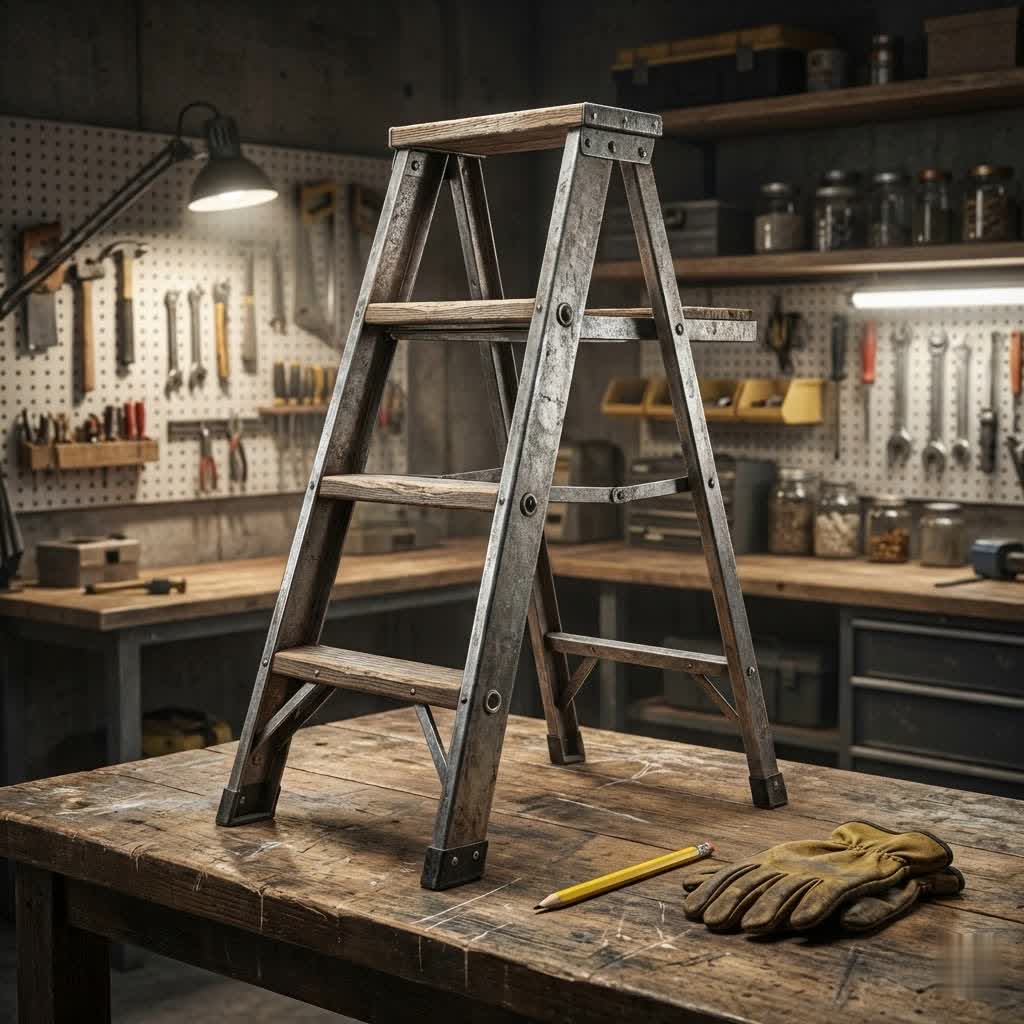
Tired of stretching precariously or relying on unstable chairs for high-reaching tasks around your home or workshop? A 6-step step ladder is often the perfect solution, offering that crucial extra reach with enhanced stability and safety. This versatile tool bridges the gap between a small step stool and a full-sized extension ladder, making it indispensable for a multitude of jobs. But with countless options on the market, how do you select the ideal 6-step step ladder that perfectly matches your needs and budget?
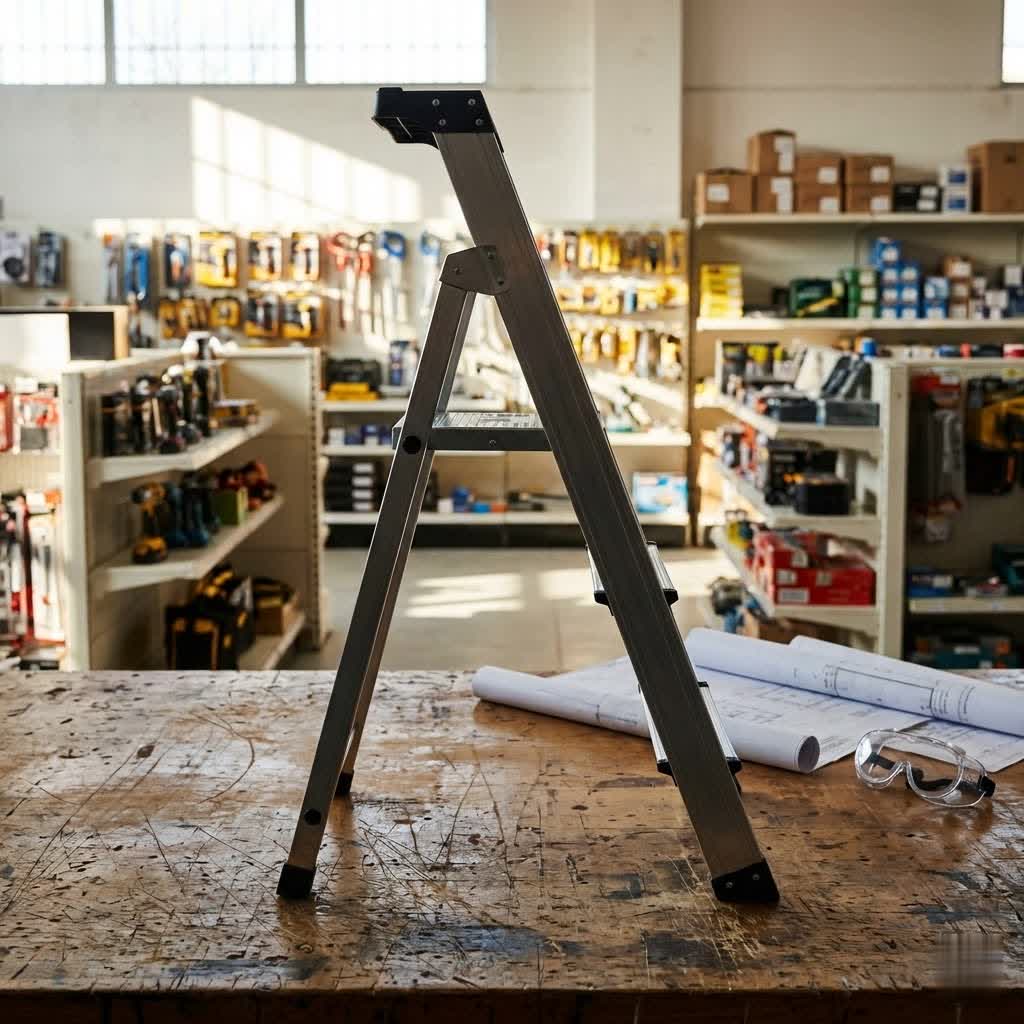
This comprehensive guide, informed by years of practical experience with various ladder types, will cut through the clutter. We’ll explore the different kinds of 6-step step ladders, compare leading brands, and provide an in-depth buying guide to ensure you make an informed decision. Get ready to elevate your productivity and safety, one confident step at a time!
Popular Types of 6-Step Step Ladders
While the term “6-step step ladder” defines its size, these ladders come in various configurations and materials, each suited for specific tasks and environments. Understanding these differences is key to making the right choice.
Household 6-Step Step Ladders
Household 6-step step ladders are designed with the everyday homeowner in mind, prioritizing ease of use, portability, and convenient storage. They are typically lighter and often feature thoughtful additions that make common chores safer and more efficient.
- Advantages: These ladders are generally lightweight, making them easy to move from room to room. Many models incorporate folding designs that allow for compact storage in closets or utility rooms when not in use. Features like wide, anti-slip steps and comfort handgrips are common, enhancing user confidence for tasks like cleaning high shelves, changing light bulbs, or hanging decorations. They often come pre-assembled, ready for immediate use.
- Disadvantages: While sturdy for typical household tasks, their duty ratings might be lower than professional-grade ladders. They may lack advanced features for heavy-duty work or specialized tool storage.
- Practical Applications: Perfect for kitchen tasks, reaching high cabinets, dusting ceiling fans, interior painting, minor repairs, and any chore requiring a stable platform that offers approximately a 10-foot reach height.
|
Our Picks for the Best Step Ladder in 2026
We may earn a commission when you use one of our links to make a purchase.
|
||
| Num | Product | Action |
|---|---|---|
| 1 | HBTower 3 Step Ladder Folding Step Stool, 330 Lbs Capacity Step Stool for Adults, Closet Step Stool Ladder with Anti-Slip Wide Pedals Household Office, White |

|
| 2 | HBTower 2 Step Ladder, Step Stool for Adults,2 Step Ladder Folding Step Stool with Wide Pedal Ergonomic Design |
|
| 3 | HBTower Step Ladder,Lightweight Aluminum Folding Step Stool with Anti-Slip Wide Pedal,330lbs Capacity Step Ladder-Black |
|
| 4 | 2 Step Ladder, Portable Steel Folding Step Stool with Wide Anti-Slip Pedal & Convenient Handgrip, 500lbs Sturdy Steel Ladder, Black |
|
| 5 | 3 Step Ladder, Portable Folding Ladder for Multi-Purpose, Home, Kitchen, Heavy Sturdy Steel Step Stool with Handrail, Anti-Slip Wide Pedals, Safe-Lock Design, Pass 500lbs Load Testing, Black |
|
| 6 | HBTower 3 Step Ladder, 3 Step Stool for Adults, 3 Step Ladder Folding Step Stool with Cushioned Handle Step Ladder with Wide Pedal Ergonomic Design,Black |
|
| 7 | HBTower 2 Step Ladder,2 Step Stool for Adults Folding Step Stool with Cushioned Handle with Wide Anti-Slip Pedal Ergonomic Design |
|
| 8 | HBTower Step Ladder,Lightweight Aluminum Folding Step Stool with Anti-Slip Wide Pedal,330lbs Capacity Step Ladder for Household,Kitchen,Office - BlackWoodgrain |
|
| 9 | HBtower 2 Step Ladder, Step Stool with Wide Anti-Slip Pedal, Step Ladder Folding Step Stool for Adults, Lightweight Steel Portable ladders for Home Kitchen |
|
| 10 | GameGem 3 Step Ladder, Folding Step Stool with Wider Pedal, Anti-Slip Feet & Non Slip Stripes, Aluminum Sturdy Material, 300Lbs Capacity, Elegant Look of Cream Chocolate Better Matches Your Home |
|
Professional 6-Step Step Ladders
Designed for tradespeople and heavy-duty applications, professional 6-step step ladders emphasize durability, higher load capacities, and specialized features for demanding job sites. These ladders are built to withstand rigorous use and often adhere to stricter safety standards.
- Advantages: Professional ladders typically boast higher load capacities (Type IA, IAA, or even higher, supporting 300 lbs to 375 lbs or more) and robust construction. Fiberglass models are non-conductive, making them essential for electricians or anyone working near electrical hazards. Many include integrated tool trays, magnetic strips, and tethering points to keep tools secure and accessible, reducing trips up and down. Their wider bases and advanced bracing systems provide superior stability on various surfaces.
- Disadvantages: They are generally heavier and less portable than household versions, which can be a consideration for frequent transport. They also tend to be more expensive.
- Applications in Industry and Construction: Indispensable for electricians, painters, maintenance technicians, and construction workers for tasks like wiring, drywall finishing, HVAC installation, gutter cleaning, and extensive outdoor work where durability and safety are paramount.
Comparing Key Materials: Aluminum vs. Fiberglass
The material of your 6-step step ladder significantly impacts its performance, safety, and longevity. The two most common choices are aluminum and fiberglass, each with distinct pros and cons.
| Feature | Aluminum 6-Step Step Ladder | Fiberglass 6-Step Step Ladder |
|---|---|---|
| Weight | Lighter, easier to transport and maneuver | Heavier, more rigid, offers a rock-solid feel |
| Electrical Safety | Conducts electricity – NOT safe for electrical work | Non-conductive when clean and dry – SAFE for electrical work |
| Durability | Strong, but can flex and potentially warp in extreme heat | More rigid, weather-resistant, and more durable outdoors |
| Cost | Generally more affordable | Typically more expensive |
| Stability | Good for general use, but some models may flex under heavy loads | Superior stability, especially with wider bases; less prone to tipping |
| Common Uses | General household tasks, light construction, indoor projects | Electrical work, outdoor use, heavy-duty construction, industrial settings |
Choosing between aluminum and fiberglass largely depends on your primary use. If you prioritize lightweight portability for general home tasks and will never work near electricity, aluminum is a practical choice. However, for any task involving electricity, or if you need maximum durability and stability for outdoor or professional use, fiberglass is the undisputed champion.
Guide to Selecting Your Ideal 6-Step Step Ladder
Making the right choice involves considering several critical factors beyond just the number of steps. A well-chosen ladder is an investment in your safety and efficiency.
Essential Factors to Consider
- Height and Reach: A 6-step ladder is typically 6 feet tall when closed, but its “reach height” is what truly matters. This is usually calculated by assuming a 5’6″ person can reach approximately 4 feet above the ladder’s highest safe standing step. For a 6-step ladder, the highest safe standing level is the second rung from the top, providing a typical reach height of around 10 feet (depending on the user’s height). Always ensure the ladder’s reach height is sufficient for your tasks without overstretching.
- Load Capacity and Duty Rating: This indicates the maximum weight the ladder can safely support, including the user, tools, and materials. Look for an ANSI (American National Standards Institute) and OSHA (Occupational Safety and Health Administration) compliant rating:
- Type III (Light Duty): 200 lbs (often for step stools, not typically 6-step ladders)
- Type II (Medium Duty): 225 lbs
- Type I (Heavy Duty): 250 lbs
- Type IA (Extra Heavy Duty): 300 lbs
- Type IAA (Extra Heavy Duty): 375 lbs
Most 6-step ladders suitable for general use will be Type I or IA, with professional models often reaching Type IAA.
- Material: As discussed, aluminum offers portability and affordability, while fiberglass provides electrical safety and superior durability for outdoor and heavy-duty use.
- Safety Features:
- Anti-Slip Steps: Wide, textured steps prevent slips and reduce foot fatigue.
- Non-Marring Feet: Rubber or plastic feet prevent scratches on floors and improve stability.
- Locking Mechanism: Ensures the ladder is securely open and stable during use.
- Handgrips/Handrails: Provide an extra point of contact for stability, especially beneficial for those less steady on their feet.
- Tool Trays/Tops: Keep tools organized and prevent them from falling, a common cause of accidents. Many modern ladders feature innovative Locktop designs or magnetic strips for added convenience.
- Portability and Storage: Consider the ladder’s folded dimensions and weight if you need to move it frequently or have limited storage space. Many 6-step ladders are designed to fold flat for easy tucking away.
Expert Advice for Your Purchase
“Never compromise on safety when selecting a ladder. Always choose a ladder with a duty rating that comfortably exceeds your combined weight and the weight of your tools. A sturdy foundation is the first step to a safe ascent.”
- Admin, ReviewMyERC.com, Ladder Specialist
- Match to Purpose: Evaluate your most frequent tasks. A lightweight aluminum model might be perfect for indoor chores, but a robust fiberglass ladder is non-negotiable for outdoor electrical work or heavy construction.
- Inspect Before You Buy: If possible, test the ladder. Does it feel stable when opened? Are the steps comfortable? Does it fold and unfold smoothly? Check for any signs of damage or manufacturing defects.
- Proper Maintenance: Regardless of material, clean your ladder regularly, especially fiberglass models, to maintain non-conductive properties. Store it in a dry place, away from extreme temperatures, to prolong its lifespan. Always follow the manufacturer’s guidelines for care and inspection.
Top 6-Step Step Ladders in the Market
While specific models and brands can vary, several manufacturers consistently produce high-quality 6-step step ladders that stand out for their features, durability, and user satisfaction.
Detailed Reviews of Popular Choices
- Werner 6 ft. Fiberglass Step Ladder: Often highly rated for its professional-grade construction, 300-lb (Type IA) duty rating, and non-conductive fiberglass rails. Features like a Locktop ladder top with tool slots and carabiner anchor points for tethering tools are frequently praised. Users highlight its stability and robust build for heavy-duty jobs.
- Louisville Ladder 6 ft. Fiberglass Step Ladder: Known for its solid construction and durability, often available with Type IA or IAA duty ratings (300-375 lbs). Reviewers appreciate its steadiness on various surfaces and innovative features like tool caddies.
- Little Giant Multi-Position Ladders: While often multi-position, their larger models can function as highly stable 6-step ladders. They are renowned for their versatility, superior stability, and safety features, including extra-wide steps and comfortable platforms. These are often heavier but built for maximum security and adaptable use.
- HBTower 6-Step Folding Ladder (Aluminum/Steel): Popular for household use, these often feature wide anti-slip pedals, strong steel or aluminum frames, and convenient folding designs for easy storage. They are lauded for their sturdiness and straightforward functionality for everyday tasks.
- Delxo 6-Step Folding Step Stool Ladder: Often a budget-friendly option, these ladders are praised for their portability and ease of storage. They typically feature anti-slip steps and a handrail for added security, making them a good choice for light household use.
Each of these brands offers variations, but their core reputations for quality and specific features (electrical safety, tool organization, or portability) make them strong contenders when considering a 6-step step ladder.
Conclusion
A 6-step step ladder is a cornerstone tool for any homeowner or professional, offering the perfect blend of height and stability for countless tasks. By carefully considering factors such as material (aluminum for portability, fiberglass for electrical safety and durability), load capacity, and essential safety features like anti-slip steps and tool trays, you can confidently choose a ladder that not only meets your immediate needs but also ensures your safety for years to come. Investing in a high-quality 6-step step ladder means investing in your efficiency, safety, and peace of mind.
Are you ready to elevate your projects safely and effectively with the right 6-step step ladder?
Frequently Asked Questions
What is the actual standing height on a 6-step step ladder?
The highest safe standing level on a 6-step step ladder is typically the second step from the top. For a 6-foot ladder, this usually translates to a standing height of approximately 4 feet, giving a comfortable reach height of about 10 feet for an average person.
How much weight can a 6-step step ladder support?
The weight capacity, or duty rating, varies by model and material. Most residential 6-step ladders support 225-250 lbs (Type II or I), while professional or heavy-duty models typically support 300-375 lbs (Type IA or IAA). Some aluminum ladders can even reach 500 lbs.
Is a 6-step ladder equivalent to a 6-foot ladder?
Yes, a 6-step ladder is generally a 6-foot tall step ladder. The “6-step” refers to the number of individual steps, while “6-foot” refers to its overall height when folded.
Can I use an aluminum 6-step ladder for electrical work?
No, it is highly recommended to never use an aluminum ladder for electrical work or near live wires, as aluminum conducts electricity. Always opt for a fiberglass ladder in such environments due to its non-conductive properties.
What features should I look for to ensure safety on a 6-step ladder?
Prioritize features like wide, anti-slip steps, non-marring and slip-resistant feet, a secure locking mechanism when open, and a sturdy top handrail or tool tray for stability and organized access to tools.