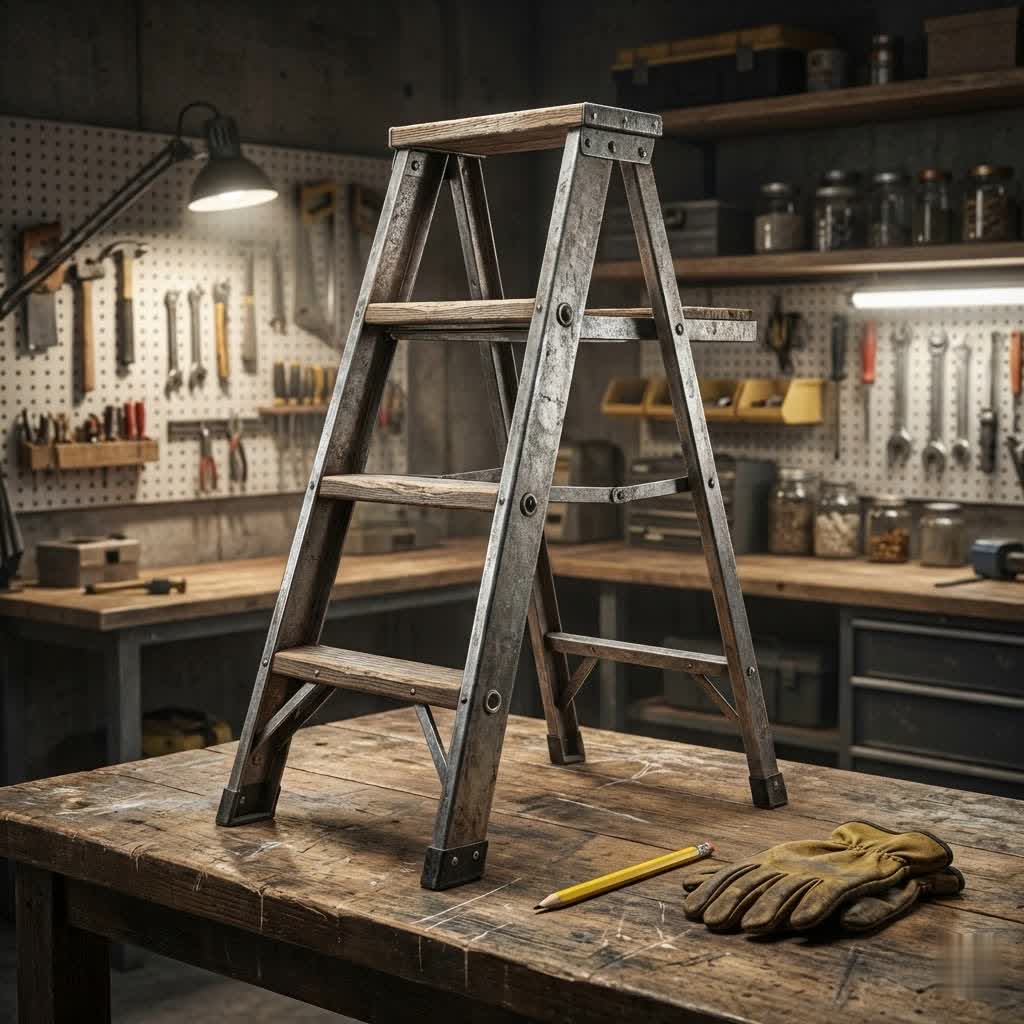
Venturing into projects that demand significant vertical access can be daunting, and the term “20-foot step ladder” often sparks a quest for the perfect tool. While a traditional A-frame step ladder rarely reaches a true 20-foot standing height due to stability and design limitations, the desire for self-supporting, secure elevation at this impressive working height is very real. As an experienced technician who has navigated countless ladder scenarios, I understand the need for reliable equipment to tackle demanding tasks, whether at home or on a professional job site. This guide will cut through the confusion, helping you understand the real solutions for achieving heights around 20 feet safely and efficiently with self-supporting ladders.
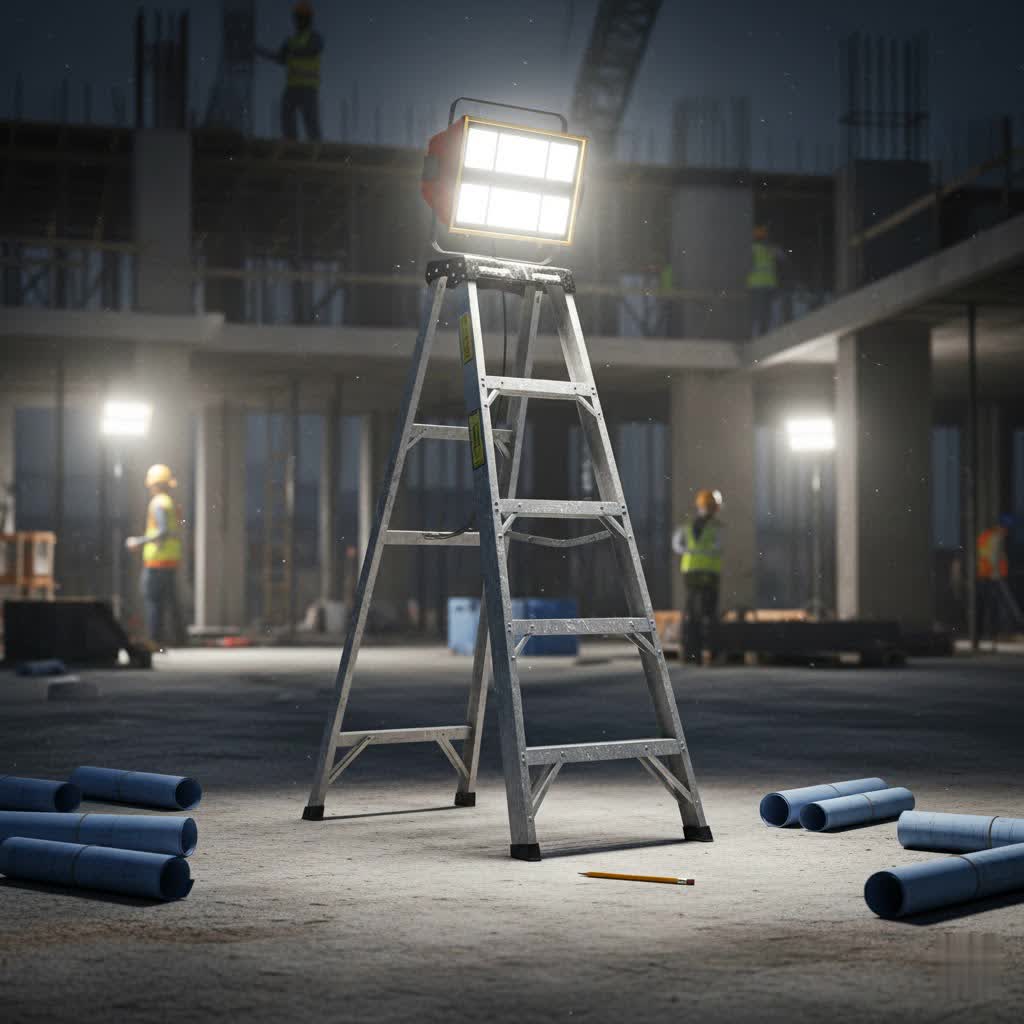
We’ll delve into the types of ladders that offer this crucial self-support, from innovative multi-position designs to robust extension trestle systems. Beyond just reaching the height, we’ll equip you with the knowledge to choose the right material, understand vital safety features, and implement best practices to ensure every climb is secure. Get ready to elevate your project capabilities and confidently conquer those towering tasks with the optimal ladder solution.
Understanding the “20-Foot Step Ladder”: What It Really Means
When you search for a “20-foot step ladder,” you’re likely envisioning a stable, self-supporting platform that allows you to work comfortably at a significant elevation. It’s important to clarify that traditional, fixed-height A-frame step ladders typically range from 2 to 12 steps, offering a maximum open height of about four meters (roughly 13-14 feet). Reaching a true 20-foot working height with a single, conventional step ladder is generally not feasible or safe due to the inherent design constraints that prioritize stability at lower elevations.
For tasks requiring access to heights of 20 feet and beyond, the industry offers specialized self-supporting ladder types. These include versatile multi-position ladders, which can be configured as stepladders at various impressive heights, and robust extension trestle ladders, explicitly designed with base sections extending up to 20 feet along the side rail. These alternatives provide the critical self-supporting stability crucial for safety and efficiency when working far off the ground.
Types of High-Reach Self-Supporting Ladders
To achieve a working height of approximately 20 feet with self-support, traditional small step ladders are outmatched. Instead, you’ll need to explore more robust and versatile ladder systems.
Multi-Position Ladders (Configured as Step Ladders)
Multi-position ladders, often referred to as “articulated” or “combination” ladders, are incredibly versatile tools designed to adapt to a variety of tasks. Many models can be configured into an A-frame stepladder, an extension ladder, a scaffold, or even a wall ladder. When set up in a stepladder configuration, these ladders offer outstanding stability due to their wide stances and robust locking hinges.
-
Advantages:
- Unmatched Versatility: One ladder can serve multiple purposes, reducing the need for several specialized ladders.
- Adjustable Height: They allow you to set the stepladder configuration to various heights, making them ideal for diverse projects.
- Exceptional Stability: With proper setup, their sturdy construction and locking mechanisms provide a solid platform, instilling confidence when working at height.
- Portability: Many models fold down compactly for easier transport and storage despite their heavy-duty build.
-
Disadvantages:
- Weight and Bulk: Professional-grade multi-position ladders capable of reaching significant heights can be heavier and bulkier than standard stepladders.
- Complexity: Setting up different configurations requires careful attention to instructions and proper locking of hinges.
- Cost: Their versatility and robust construction often come with a higher price tag.
-
Applications: Ideal for professionals like painters, electricians, and maintenance workers who need adaptable access for tasks such as gutter cleaning, tree trimming, high ceiling repairs, or working over stairwells.
|
Our Picks for the Best Step Ladder in 2026
We may earn a commission when you use one of our links to make a purchase.
|
||
| Num | Product | Action |
|---|---|---|
| 1 | HBTower 2 Step Ladder,2 Step Stool for Adults Folding Step Stool with Cushioned Handle with Wide Anti-Slip Pedal Ergonomic Design |

|
| 2 | HBtower 2 Step Ladder, Step Stool with Wide Anti-Slip Pedal, Step Ladder Folding Step Stool for Adults, Lightweight Steel Portable ladders for Home Kitchen |
|
| 3 | HBTower 3 Step Ladder, 3 Step Stool for Adults, 3 Step Ladder Folding Step Stool with Cushioned Handle Step Ladder with Wide Pedal Ergonomic Design,Black |
|
| 4 | HBTower Step Ladder,Lightweight Aluminum Folding Step Stool with Anti-Slip Wide Pedal,330lbs Capacity Step Ladder-Black |
|
| 5 | 2 Step Ladder, Portable Steel Folding Step Stool with Wide Anti-Slip Pedal & Convenient Handgrip, 500lbs Sturdy Steel Ladder, Black |
|
| 6 | HBTower 3 Step Ladder Folding Step Stool, 330 Lbs Capacity Step Stool for Adults, Closet Step Stool Ladder with Anti-Slip Wide Pedals Household Office, White |
|
| 7 | GameGem 3 Step Ladder, Folding Step Stool with Wider Pedal, Anti-Slip Feet & Non Slip Stripes, Aluminum Sturdy Material, 300Lbs Capacity, Elegant Look of Cream Chocolate Better Matches Your Home |
|
| 8 | HBTower Step Ladder,Lightweight Aluminum Folding Step Stool with Anti-Slip Wide Pedal,330lbs Capacity Step Ladder for Household,Kitchen,Office - BlackWoodgrain |
|
| 9 | 3 Step Ladder, Portable Folding Ladder for Multi-Purpose, Home, Kitchen, Heavy Sturdy Steel Step Stool with Handrail, Anti-Slip Wide Pedals, Safe-Lock Design, Pass 500lbs Load Testing, Black |
|
| 10 | HBTower 2 Step Ladder, Step Stool for Adults,2 Step Ladder Folding Step Stool with Wide Pedal Ergonomic Design |
|
Extension Trestle Ladders
Often overlooked, extension trestle ladders are specifically engineered for serious height requirements with self-support. They consist of a trestle ladder base and a vertically adjustable extension section that locks securely into place. The base section alone can measure up to 20 feet along the side rail, providing a substantial foundation for high-level work.
-
Advantages:
- Superior Height: These ladders are explicitly designed to reach significant heights, with base sections often reaching the 20-foot mark.
- Exceptional Stability: The trestle design provides a broad, stable base, minimizing wobble and ensuring a secure working environment.
- Heavy-Duty Capacity: Built for professional workloads, they typically boast high weight capacities, accommodating users and heavy tools or materials.
-
Disadvantages:
- Size and Storage: Their substantial size makes them less portable and more challenging to store compared to smaller ladders.
- Specialized Use: Primarily designed for professional or heavy-duty tasks, they might be overkill for light domestic chores.
-
Applications: Commonly used in construction, industrial maintenance, and large-scale outdoor projects where a sturdy, self-supporting structure is required for extended periods at height, such as façade maintenance, large equipment repair, or infrastructure work.
While telescoping ladders can also reach 20 feet, many are primarily designed for leaning against a structure, similar to an extension ladder. However, some heavy-duty telescoping models, especially those with wide bases or optional stabilizers, can offer excellent versatility and a degree of self-support, making them a consideration for high-reach tasks where space might be a concern.
Key Factors for Choosing Your 20-Foot-Capable Ladder (Buying Guide)
Selecting the right self-supporting ladder for heights around 20 feet is a critical decision that impacts both your efficiency and, more importantly, your safety. Consider these essential factors before making a purchase.
Height and Reach
Understanding the distinction between ladder height and working height is paramount. The “working height” is generally calculated by adding your average reach (typically 5-6 feet) to the highest safe standing level on the ladder. For any self-supporting ladder, you should never stand on the very top cap or the step immediately below it. For a ladder to give you a comfortable working height of 20 feet, its actual extension or top safe standing level will need to be considerable. Always ensure the ladder’s specifications clearly state the maximum safe working height.
Material and Durability
The material of your ladder dictates its weight, durability, and suitability for specific environments.
- Fiberglass: The top choice for professionals, especially those working near electrical sources. Fiberglass is non-conductive, making it crucial for electrical safety. It’s also extremely durable and resistant to weathering, though generally heavier than aluminum.
- Aluminum: Known for its excellent strength-to-weight ratio, aluminum ladders are lightweight and corrosion-resistant, making them easy to transport and maneuver. However, aluminum conducts electricity, rendering it unsafe for tasks near live wires.
Weight Capacity and Duty Ratings
Never underestimate the importance of your ladder’s weight capacity. This rating includes your body weight plus the weight of any tools, equipment, or materials you’ll be carrying or using. Look for ladders with professional or industrial duty ratings, such as ANSI Type IA (300 lbs) or Type IAA (375 lbs), or EN131 Professional certification, which indicates adherence to rigorous European safety standards for construction quality and load capacity. Always choose a ladder with a capacity that comfortably exceeds your total anticipated load.
Safety Features
When working at 20 feet, safety features are non-negotiable.
- Non-slip Treads and Feet: Ensure steps have ribbed or textured surfaces for secure footing, and the feet are made of robust, non-slip material that grips various surfaces.
- Secure Locking Mechanisms: For multi-position and extension trestle ladders, all hinges and extension locks must engage securely and visibly to prevent accidental collapse or shifting.
- Spreaders and Bracing: Look for strong spreader bars that prevent the A-frame from over-extending, along with reinforced bracing for overall structural rigidity.
- Tool Trays and Holders: Integrated tool trays can significantly enhance safety by keeping tools within easy reach, eliminating the need to climb up and down repeatedly or carry items precariously.
Portability and Storage
While performance at height is paramount, consider how you’ll transport and store such a large ladder. Multi-position ladders often fold compactly, while extension trestle ladders might be more cumbersome. Evaluate your storage space and transportation needs.
Top High-Reach Self-Supporting Ladders
While recommending specific 20-foot step ladder models can be tricky as the term often refers to capability rather than a single product type, certain brands consistently deliver high-quality, professional-grade ladders that can achieve this working height safely.
Little Giant Ladders: Renowned for their multi-position ladders, Little Giant offers incredibly versatile systems that can be configured as A-frame stepladders at substantial heights. Models like the Little Giant Revolution or Velocity series are popular among professionals for their robust build, multiple configurations, and impressive working reach. Their innovative hinge systems and wide-flared bases provide excellent stability.
Werner Ladders: A leading name in the ladder industry, Werner produces a wide range of professional ladders, including heavy-duty fiberglass multi-position ladders and large stepladders that, while perhaps not 20 feet in actual height, can provide significant working reach. Their reputation for durability and safety features makes them a top choice.
Louisville Ladder: Another trusted brand, Louisville Ladder offers robust industrial-grade fiberglass and aluminum ladders. While their traditional stepladders might not hit the 20-foot mark, their heavy-duty extension ladders or specialized industrial combination ladders could be configured for such high-reach, self-supporting applications.
TB Davies and Climb-It: These brands, often seen in professional and industrial settings, specialize in robust access equipment, including large-scale stepladders and access platforms that prioritize safety and durability for demanding tasks. They offer solutions that can approach or facilitate working at 20 feet, especially for trade use.
When considering these brands, focus on models explicitly rated for heavy-duty commercial or industrial use. Check specifications for maximum open height, safe standing levels, and duty ratings to ensure they meet your 20-foot working height requirements. Reading professional reviews and checking for relevant safety certifications (like ANSI or EN131 Professional) will guide you to a reliable investment.
Essential Safety Practices for Working at 20 Feet
Working at height, especially around 20 feet, demands unwavering attention to safety. Even the best ladder is only as safe as its user. My ten years of experience have taught me that vigilance and adherence to safety protocols are paramount.
First and foremost, always perform a thorough inspection of your ladder before each use. Check for any signs of damage, such as bent rails, loose rungs, cracked fiberglass, or worn feet. Ensure all locking mechanisms, hinges, and spreader bars operate smoothly and engage securely. A damaged ladder is a fall waiting to happen.
Proper setup is non-negotiable. Position your self-supporting ladder on a firm, level, and non-slippery surface. If working outdoors, be mindful of soft ground that could shift under the ladder’s weight. For uneven terrain, utilize ladder levelers or stabilizers, but never attempt to shim the ladder with makeshift materials. Ensure the ladder’s feet are fully engaged with the ground.
While climbing or descending, and when working, maintain three points of contact with the ladder at all times – either two hands and one foot, or two feet and one hand. This technique ensures you remain balanced and in control. Avoid carrying heavy tools or materials up the ladder; use a tool belt, hoist them up separately, or utilize integrated tool trays on your ladder to keep your hands free for climbing.
A crucial rule: never stand on the very top cap of a stepladder or the step immediately below it. These areas are not designed for standing and significantly increase the risk of losing your balance. Your hips should ideally be within the ladder’s side rails, and avoid overreaching to the sides. If your task requires you to stretch, descend, reposition the ladder, and re-climb.
For tasks near electrical sources, always choose a fiberglass ladder. Aluminum conducts electricity, posing a severe electrocution hazard. Before starting work, identify and if possible, de-energize any electrical lines in your work area.
Finally, take regular breaks to prevent fatigue, which can impair judgment and lead to accidents. For extended tasks at height, consider platform-style multi-position ladders that offer a larger, more comfortable standing area. By integrating these practices into your routine, you transform a potentially hazardous task into a safely manageable one.
“Safety isn’t just a guideline; it’s the foundation of every successful high-reach project. Always inspect, always secure, and never compromise on the fundamentals.” – Admin, reviewmyerc.com
Conclusion
Navigating the world of high-reach access, particularly when seeking a “20-foot step ladder,” reveals that while traditional A-frame models rarely achieve such extreme heights, robust alternatives exist to safely meet your needs. We’ve explored how versatile multi-position ladders and sturdy extension trestle ladders are the true workhorses for jobs requiring self-supported elevation around 20 feet. By prioritizing factors like durable materials—fiberglass for electrical work, aluminum for lightweight tasks—and selecting ladders with appropriate duty ratings and advanced safety features, you’re making an informed investment in both efficiency and personal security.
Remember, the right ladder empowers you to reach new heights, but responsible usage is the ultimate key to a safe and successful outcome. Always conduct a pre-use inspection, maintain three points of contact, and never compromise on stable positioning. With the insights shared, you’re now equipped to choose a self-supporting ladder that not only reaches the target height but also aligns perfectly with your project’s demands and safety expectations.
What’s the most challenging high-reach task you’re looking to tackle next with your new, capable ladder?
Câu Hỏi Thường Gặp
Can a regular A-frame step ladder actually be 20 feet tall?
No, a traditional A-frame step ladder is rarely 20 feet tall. Standard step ladders typically reach open heights of up to 13-14 feet. For a 20-foot working height, you would generally use multi-position ladders configured as a stepladder, or extension trestle ladders, which are designed for greater elevation and self-support.
What type of ladder is best for reaching 20 feet and being self-supporting?
For reaching heights of around 20 feet while remaining self-supporting, multi-position ladders (like those from Little Giant) and extension trestle ladders are excellent choices. These types offer the necessary stability and extended reach that a conventional step ladder cannot provide at such heights.
Is a fiberglass or aluminum ladder better for high-reach tasks?
Fiberglass is generally preferred for high-reach tasks, especially if there’s any risk of electrical contact, as it is non-conductive. Aluminum ladders are lighter and corrosion-resistant, making them easier to transport, but they conduct electricity and should never be used near power sources.
What key safety features should I look for in a ladder for 20-foot access?
For ladders reaching 20 feet, look for robust non-slip treads and feet, secure locking mechanisms for all movable parts, strong spreader bars for stability, and a high-duty rating (e.g., ANSI Type IA or IAA, or EN131 Professional). Integrated tool trays can also enhance safety by keeping tools organized and hands free.
Can I stand on the top step of a ladder to reach 20 feet?
No, it is critically unsafe to stand on the top cap or the step immediately below the top cap of any ladder, especially when working at significant heights. Always leave the top few steps clear, and ensure your working height allows you to comfortably reach your target while maintaining a safe standing position.