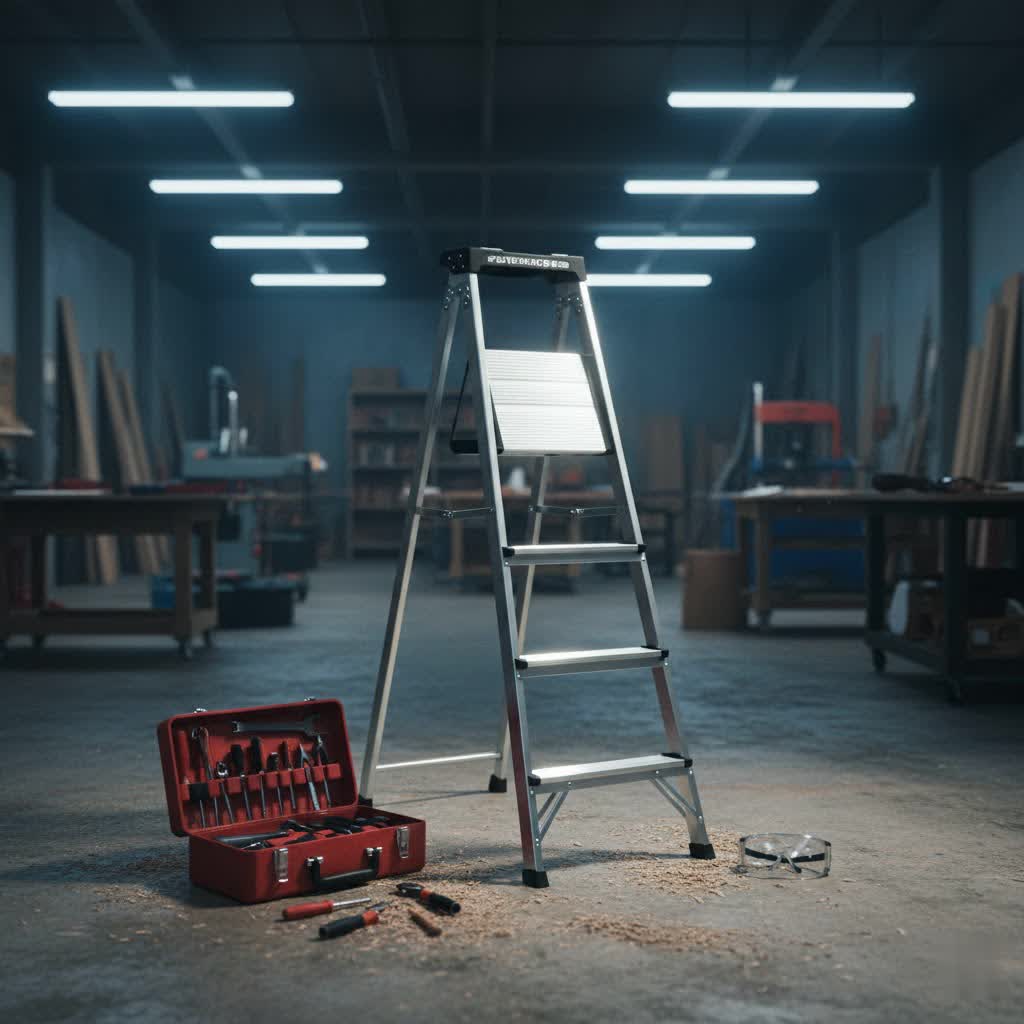
Do you often find yourself stretching precariously or struggling to reach those high-up spots around your home or workspace? Whether it’s changing a vaulted ceiling light, tackling exterior painting, or accessing storage in a tall garage, having the right ladder can transform challenging tasks into safe and manageable ones. A 12-foot step ladder is often the perfect solution, offering significant height without the complexity of an extension ladder. But with numerous options available, how do you pick the one that’s truly right for you?
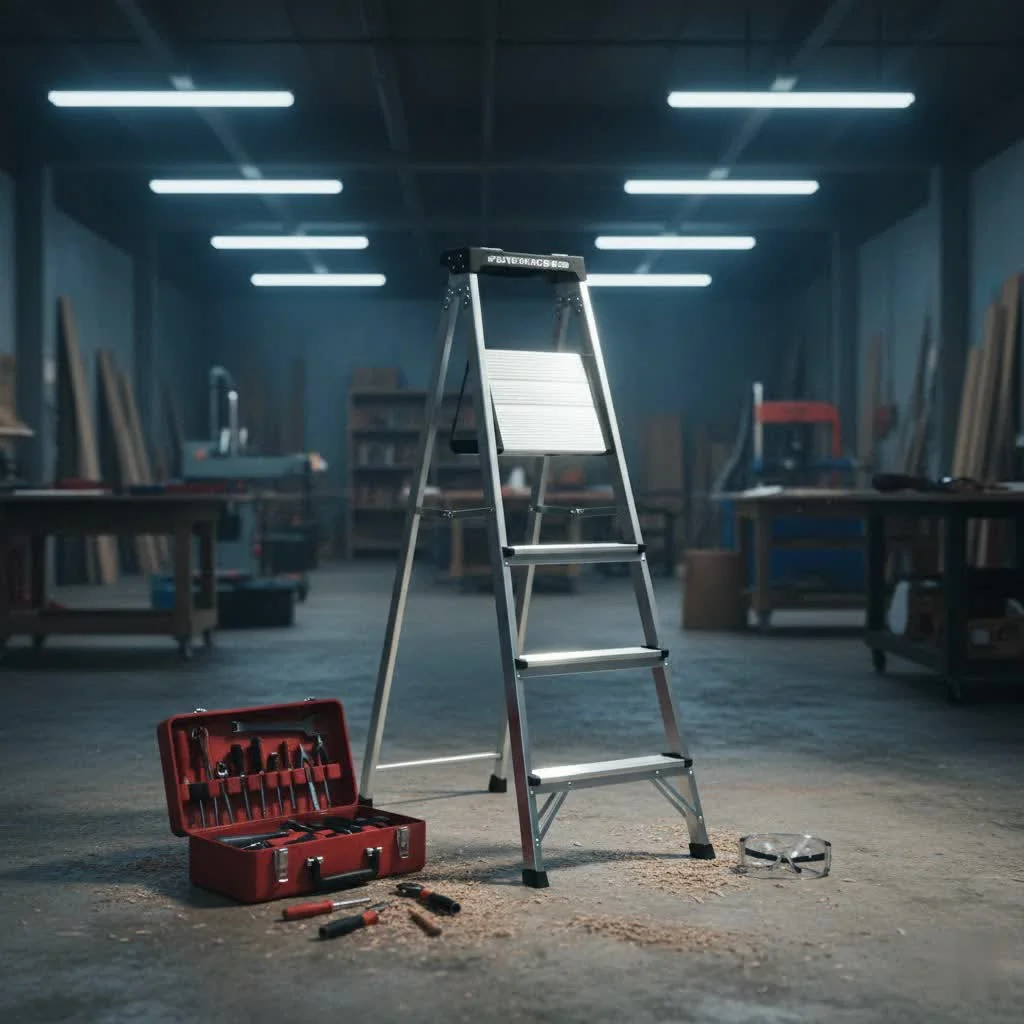
This guide will illuminate the world of 12-foot step ladders, helping you understand their capabilities, compare popular brands and materials, and equip you with the knowledge to make an informed, safe, and cost-effective choice for all your elevated needs.
Understanding 12 Feet Step Ladders: Height and Reach
When considering a 12-foot step ladder, it’s crucial to distinguish between the ladder’s overall height and your effective working reach. A 12-foot step ladder doesn’t mean you can safely stand at 12 feet. Typically, the maximum safe standing level on a 12-foot step ladder is around 9 feet from the ground. For an average person of 5’9″, this allows for a comfortable reach height of approximately 13-14 feet. You should never stand on the very top cap or the step immediately below it, as this compromises stability and significantly increases the risk of a fall.
This generous reach makes a 12-foot step ladder incredibly versatile, bridging the gap between smaller household step stools and cumbersome extension ladders. It provides a stable, freestanding platform for tasks that require considerable elevation but also demand mobility and ease of setup.
Common Types of Step Ladders
While the “12-foot” designation refers to its height, step ladders generally fall into categories based on their intended use and design, which influences features and durability.
Household Step Ladders (12 ft for specific home tasks)
When you picture a step ladder, you likely imagine the classic A-frame style. A 12-foot step ladder in this category is designed for robust home use, offering a freestanding and stable platform for significant heights.
- Advantages: These ladders provide excellent stability thanks to their self-supporting A-frame design. They are highly portable compared to scaffolding, and their intuitive setup makes them ideal for various home improvement projects. Many models feature convenient tool trays at the top, allowing you to keep essential items within easy reach, reducing the need to climb up and down.
- Disadvantages: While providing substantial height, a 12-foot step ladder can be bulky to store and move in confined indoor spaces compared to smaller ladders. Their weight can also be a factor for some users.
- Practical Applications: A 12-foot step ladder is a homeowner’s best friend for tasks like painting vaulted ceilings, cleaning hard-to-reach windows, changing light fixtures in high rooms, dusting tall shelves, or even hanging holiday decorations both indoors and on single-story home exteriors. They are also useful for pruning lower tree branches or cleaning gutters on bungalows.
Professional/Specialized Step Ladders (12 ft for demanding tasks)
|
Our Picks for the Best Step Ladder in 2026
As an Amazon Associate I earn from qualifying purchases.
|
||
| Num | Product | Action |
|---|---|---|
| 1 | HBTower 2 Step Ladder,2 Step Stool for Adults Folding Step Stool with Cushioned Handle with Wide Anti-Slip Pedal Ergonomic Design |

|
| 2 | HBTower Step Ladder,Lightweight Aluminum Folding Step Stool with Anti-Slip Wide Pedal,330lbs Capacity Step Ladder-Black |
|
| 3 | HBTower 3 Step Ladder, 3 Step Stool for Adults, 3 Step Ladder Folding Step Stool with Cushioned Handle Step Ladder with Wide Pedal Ergonomic Design,Black |
|
| 4 | HBTower Step Ladder,Lightweight Aluminum Folding Step Stool with Anti-Slip Wide Pedal,330lbs Capacity Step Ladder for Household,Kitchen,Office - BlackWoodgrain |
|
| 5 | HBTower 2 Step Ladder, Step Stool for Adults,2 Step Ladder Folding Step Stool with Wide Pedal Ergonomic Design |
|
| 6 | 2 Step Ladder, Portable Steel Folding Step Stool with Wide Anti-Slip Pedal & Convenient Handgrip, 500lbs Sturdy Steel Ladder, Black |
|
| 7 | HBTower 3 Step Ladder Folding Step Stool, 330 Lbs Capacity Step Stool for Adults, Closet Step Stool Ladder with Anti-Slip Wide Pedals Household Office, White |
|
| 8 | 3 Step Ladder, Portable Folding Ladder for Multi-Purpose, Home, Kitchen, Heavy Sturdy Steel Step Stool with Handrail, Anti-Slip Wide Pedals, Safe-Lock Design, Pass 500lbs Load Testing, Black |
|
| 9 | HBtower 2 Step Ladder, Step Stool with Wide Anti-Slip Pedal, Step Ladder Folding Step Stool for Adults, Lightweight Steel Portable ladders for Home Kitchen |
|
| 10 | GameGem 3 Step Ladder, Folding Step Stool with Wider Pedal, Anti-Slip Feet & Non Slip Stripes, Aluminum Sturdy Material, 300Lbs Capacity, Elegant Look of Cream Chocolate Better Matches Your Home |
|
For those whose work demands daily use and extreme durability, professional-grade 12-foot step ladders offer enhanced features and construction.
- Advantages: These ladders are built to withstand rigorous use, often boasting higher duty ratings for heavier loads. They frequently incorporate advanced bracing systems, reinforced steps, and superior non-slip feet for maximum stability on various job sites. Many professional models include integrated Lock-In Systems for securely attaching accessories, further increasing productivity and safety.
- Disadvantages: Professional step ladders are typically heavier and more expensive than their household counterparts, reflecting their robust construction and specialized features.
- Industrial and Construction Applications: Beyond household chores, a 12-foot step ladder is a staple in many trades. Electricians rely on fiberglass models for working near power lines, painters use them for commercial projects with high ceilings, and maintenance technicians find them invaluable for accessing machinery or HVAC systems in industrial settings. Their height is also suitable for some light construction tasks, such as installing drywall or ceiling grids.
Materials Matter: Aluminum vs. Fiberglass for Your 12 Feet Step Ladder
The material of your 12-foot step ladder significantly impacts its safety, durability, and suitability for different tasks. The two most common options are fiberglass and aluminum.
Fiberglass Step Ladders
- Advantages: Fiberglass is an electrically non-conductive material, making it the safest choice when working near electricity, such as changing light fixtures or performing electrical repairs. It’s highly durable, resistant to dents and corrosion, and does not conduct heat or cold to the same extent as metal, making it more comfortable to handle in extreme temperatures. Many professionals prefer fiberglass for its strength and reliability.
- Disadvantages: Fiberglass ladders are generally heavier and more expensive than aluminum ladders of comparable size. If stored outdoors, fiberglass rails can degrade over time due to UV exposure, so proper storage is essential. Some 12-foot fiberglass models can be quite substantial in weight, making them a bit more challenging to transport.
- Ideal Use: Essential for any task involving or potentially involving electricity, such as ceiling fan installation, light bulb replacement, or working near outdoor power lines. They are also a robust choice for heavy-duty construction and industrial applications.
Aluminum Step Ladders
- Advantages: Aluminum ladders are prized for their lightweight nature, making them easier to carry and maneuver, especially a 12-foot model. They are generally more affordable than fiberglass and are resistant to rust, making them suitable for outdoor use as long as electrical hazards are absent.
- Disadvantages: The primary drawback of aluminum is that it conducts electricity, posing a significant safety risk if used near electrical sources. While strong, some users might find very tall aluminum step ladders slightly less rigid than fiberglass equivalents.
- Ideal Use: Best for non-electrical tasks where portability and budget are key considerations, such as indoor painting, general maintenance, gardening, or accessing high storage areas where no electrical components are present.
Other Materials
While less common for a 12-foot step ladder, wood ladders offer electrical non-conductivity when dry and are economical. However, they are heavier, require more maintenance, and are prone to warping or rotting if exposed to moisture, making them less practical for larger heights and frequent use.
Key Factors to Consider When Buying a 12 Feet Step Ladder
Choosing the right 12-foot step ladder involves more than just its height. Consider these factors to ensure you select a safe, functional, and durable tool.
Height and Reach
Reconfirm your target working height. Remember that a 12-foot ladder offers a safe standing height of about 9 feet and a reach of roughly 13-14 feet. Avoid the temptation to buy a shorter ladder and “stretch”; always choose a ladder that provides adequate reach without requiring you to stand on the top steps or overreach.
Duty Rating (Load Capacity)
The duty rating indicates the maximum weight the ladder can safely support, including the user, tools, and materials. For a 12-foot step ladder, common ratings are:
- Type IA: 300 pounds – Suitable for heavy-duty industrial or professional use.
- Type IAA: 375 pounds – Extra heavy-duty, ideal for demanding professional jobs where maximum stability and load capacity are critical.
Always ensure the ladder’s duty rating exceeds the combined weight you’ll be placing on it.
Material
As discussed, fiberglass is paramount for electrical work, while aluminum offers lightweight convenience for non-electrical tasks. Prioritize safety by choosing fiberglass if there’s any chance of electrical exposure.
Safety Features
Modern step ladders come with an array of features designed to enhance safety and user experience:
- Non-slip Feet: Essential for stability on various surfaces. Look for durable, boot-style feet with good grip.
- Stable Spreaders/Locks: The mechanism that locks the A-frame into place must be robust and secure.
- Tool Trays/Holders: Integrated slots for drills, screwdrivers, paint cans, and magnetic strips keep tools organized and within reach, preventing dangerous fumbling or climbing down.
- Bracing Systems: Features like “EDGE bracing” help protect the ladder rails from damage, extending the ladder’s lifespan and maintaining structural integrity.
- Wide Steps/Rungs: Provide more comfortable footing during extended periods of work.
Weight and Portability
A 12-foot step ladder can be substantial. Consider how often you’ll need to move it and over what distances. While fiberglass might be heavier overall, some models are engineered to minimize weight without compromising strength. Look for features like wheels if you anticipate frequent repositioning on a job site.
Price and Brand Reputation
Invest in a reputable brand. Well-known manufacturers like Werner, DeWalt, and Louisville have a proven track record for producing high-quality, safe ladders that comply with industry standards (e.g., ANSI and OSHA). While they might have a higher upfront cost, their durability and safety features often justify the investment in the long run.
Top 12 Feet Step Ladders: Our Recommendations
Based on industry reviews, user feedback, and safety standards, several 12-foot step ladder models consistently stand out.
- Werner Leansafe Series (12-foot models): Highly versatile, these fiberglass ladders are designed to safely lean against walls, studs, poles, or even corners, in addition to functioning as a traditional A-frame. They often feature non-conductive fiberglass rails and strong load capacities, making them suitable for both homeowners and professionals.
- DeWalt Fiberglass Step Ladders (12-foot reach models): Often praised for their robustness and thoughtful features like wide rungs, excellent stability, and tool cutouts at the top. The DeWalt fiberglass models are a solid choice for those needing a durable ladder for both indoor and outdoor projects, particularly when electrical safety is a concern.
- Louisville Ladder Fiberglass Step Ladders (e.g., FXS1412HD): Louisville offers models with high duty ratings (Type IAA), providing exceptional rigidity and stability, especially when working near the top of the ladder. Their focus on heavy-duty construction makes them a favorite among professionals.
- Little Giant King Kombo (Multi-position models that reach 12 ft+): While not exclusively a step ladder, some multi-position ladders like the King Kombo can be configured to provide a 12-foot reach in various modes (e.g., extension or leaning ladder), offering unparalleled versatility for a wide range of tasks.
When considering a specific model, always check its exact specifications for height, duty rating, and features to ensure it aligns perfectly with your needs.
“A 12-foot step ladder is a significant investment in safety and efficiency. Don’t compromise on quality or the right features, especially when working at heights.” – Admin, reviewmyerc.com
Essential Safety Tips for Using Your 12 Feet Step Ladder
Regardless of the quality of your ladder, safe usage is paramount. Follow these expert tips every time you use your 12-foot step ladder:
- Inspect Before Use: Before every climb, thoroughly check your ladder for any damage, loose components, cracks, or worn non-slip feet. If anything is amiss, tag the ladder and do not use it.
- Stable, Level Surface: Always place your step ladder on firm, level, and non-slippery ground. Ensure all four feet are fully supported to prevent rocking or instability. Never place a ladder on unstable objects like boxes or barrels.
- Fully Open and Lock Spreaders: Ensure the ladder’s spreaders are fully extended and locked into place before ascending. This creates the stable A-frame structure.
- Maintain Three Points of Contact: When climbing up or down, or while working, always keep three points of contact with the ladder. This means two hands and one foot, or one hand and two feet, are always on the ladder.
- Stay Centered and Don’t Overreach: Keep your body centered between the ladder rails. Never let your belt buckle extend beyond either rail. If you can’t reach something, climb down, reposition the ladder, and then ascend safely. Overreaching is a leading cause of falls.
- Avoid Top Steps: Never stand on the top cap or the step immediately below it. These areas are not designed for standing and can lead to a loss of balance.
- Electrical Awareness: If using an aluminum ladder, be acutely aware of electrical hazards. Fiberglass is the only safe choice when working near any live electrical wires or components.
- Proper Handling and Storage: Get help if the ladder is too heavy to handle alone. Store your ladder in a dry, protected area to prevent material degradation and maintain its structural integrity.
Conclusion
Choosing the ideal 12-foot step ladder is a crucial decision that impacts your safety and productivity for various tasks. From reaching high ceilings indoors to performing exterior maintenance, this height offers significant utility. By understanding the distinction between ladder height and reach, carefully considering materials like fiberglass for electrical work or aluminum for lightweight versatility, and prioritizing key features and duty ratings, you can confidently select a ladder that will serve you reliably for years to come. Remember, safety should always be your top priority.
Are you ready to elevate your projects safely and efficiently?
Frequently Asked Questions
How high can I safely stand on a 12-foot step ladder?
On a 12-foot step ladder, you can typically and safely stand up to the third step from the top. This generally translates to a maximum standing height of approximately 9 feet, allowing an average person to comfortably reach objects around 13-14 feet high. Always avoid standing on the top two steps.
Is a fiberglass or aluminum 12-foot step ladder better?
The “better” material depends on your primary use. Fiberglass is superior for any task near electricity because it is non-conductive, making it much safer. Aluminum is lighter and often more affordable, ideal for non-electrical tasks where portability is a key concern, such as general indoor painting or outdoor work away from power lines.
What tasks are 12-foot step ladders commonly used for?
12-foot step ladders are highly versatile and commonly used for tasks requiring significant vertical reach but also a stable, freestanding platform. These include painting high ceilings, cleaning tall windows, changing light fixtures, accessing high storage shelves, pruning lower tree branches, and gutter maintenance on single-story homes.
What is a good weight capacity for a 12-foot step ladder?
For a 12-foot step ladder, a good weight capacity typically falls into the Type IA (300 pounds) or Type IAA (375 pounds) industrial duty ratings. Choosing a ladder with a capacity that comfortably exceeds the combined weight of yourself, your tools, and any materials ensures maximum safety and stability during use.
Get our weekly buyer guide
Practical specs, not advice. Unsubscribe anytime.

I needed a ladder for exterior painting, and the guide’s emphasis on stability for a 12-foot step ladder was spot on. I went with a fiberglass model, and it’s been great for outdoor work. My only minor complaint is that it’s a bit heavier than I expected, making it a little cumbersome to move around the yard. Still, it gets the job done safely.
I finally bit the bullet and got a 12-foot step ladder for my vaulted ceilings, and it’s been a game changer. Changing lightbulbs used to be such a hassle, but now it’s super easy and safe. I really appreciate the stability; it feels solid even when I’m at the top step. Definitely worth the investment for anyone with high-up tasks.
This ladder is exactly what I needed for my workshop. I’m constantly reaching for tools on high shelves, and the significant height of a 12-foot step ladder means I don’t have to stretch or use wobbly chairs anymore. It’s made my work so much more efficient and, more importantly, much safer. Highly recommend for any serious DIYer.
I was looking for something to help with accessing storage in my tall garage. The 12-foot height is perfect, but I wish I’d paid more attention to the material options. I picked an aluminum one for the lighter weight, but it feels a little less sturdy than I’d hoped when I’m reaching for things. It works, but I’m always a bit cautious.