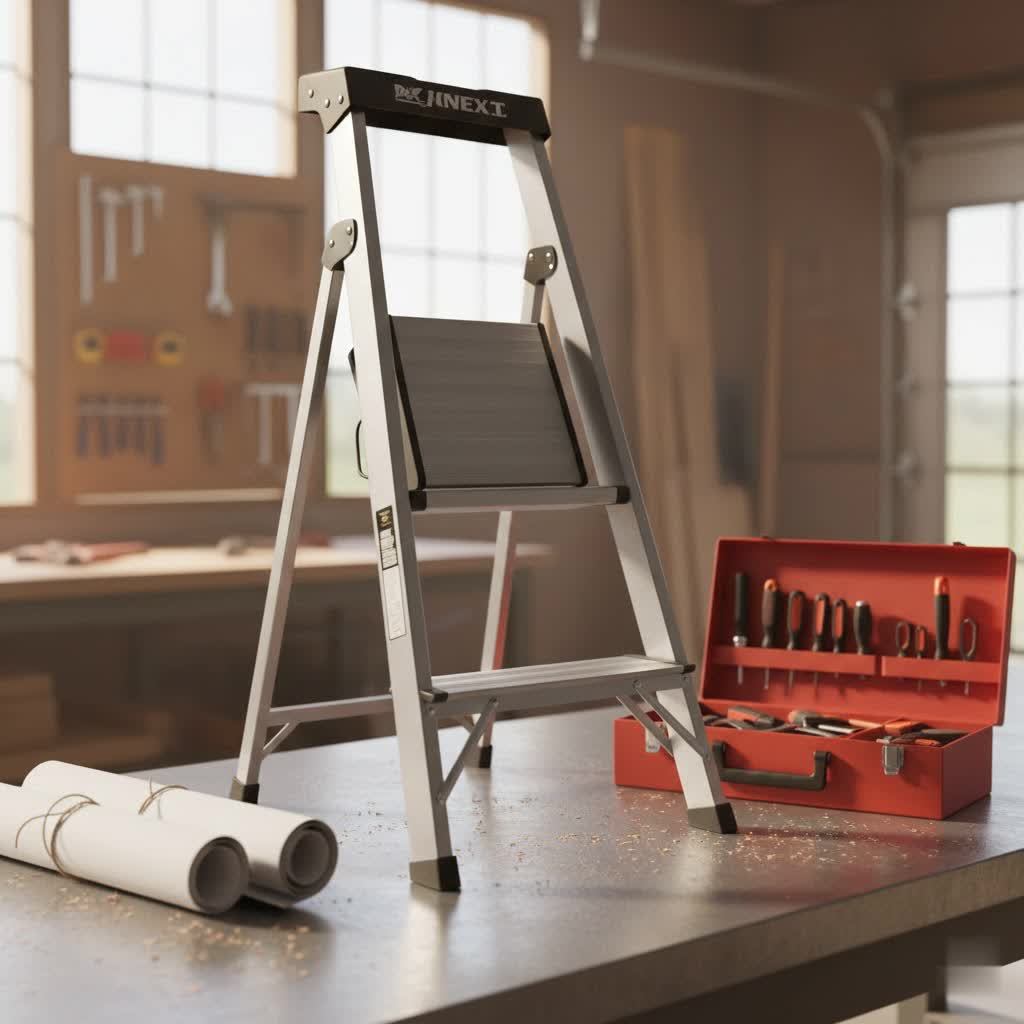
Reaching new heights safely and efficiently often hinges on one crucial tool: the step ladder. Specifically, a 12-foot step ladder offers an impressive reach, making it an indispensable asset for a wide range of tasks, from routine home maintenance to demanding professional projects. But with countless options available, how do you navigate the choices to find the perfect 12-foot step ladder that meets your needs for safety, durability, and budget?
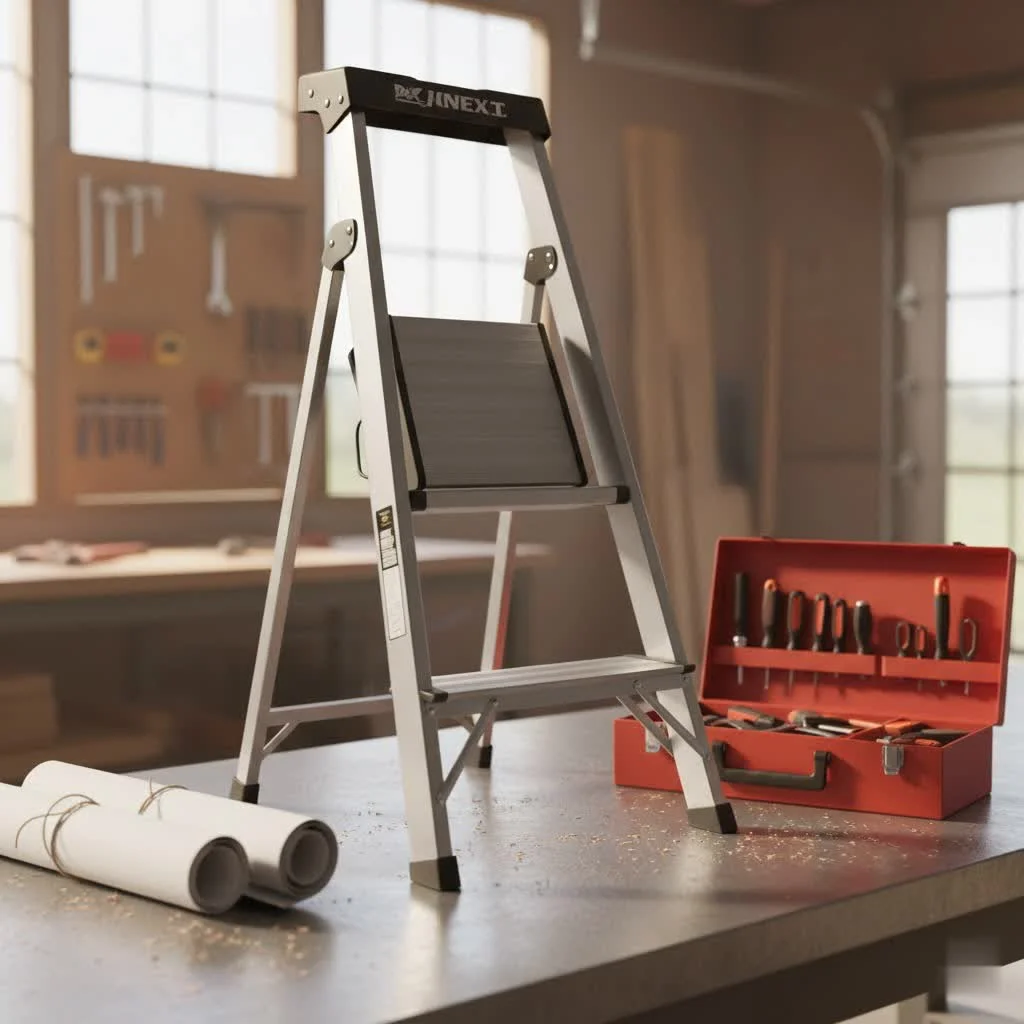
This comprehensive guide will help you understand the different types, key features, top brands, and essential buying considerations for 12-foot step ladders, ensuring you make an informed decision for every job.
Popular Types of 12-Foot Step Ladders
Step ladders come in various configurations, each designed with specific applications and user needs in mind. Understanding these types is the first step in selecting the right 12-foot model for your work.
Residential Step Ladders
Residential step ladders are generally designed for home use, prioritizing ease of handling and storage. While a 12-foot ladder might seem substantial for a home, it’s ideal for tasks requiring significant vertical reach in larger homes or for outdoor projects.
- Advantages: These often focus on portability and user-friendliness. Many 12-foot residential models are made from lightweight aluminum, making them easier to move and set up. They frequently include practical features like tool holders and paint can slots in their top caps.
- Disadvantages: While generally sturdy for household tasks, residential models might have lower duty ratings compared to their professional counterparts, typically around 200-225 pounds. They might also lack some of the advanced safety or durability features found in industrial ladders.
- Practical Applications: Perfect for homes with vaulted ceilings, changing high light fixtures, washing tall windows, accessing high shelves in garages, or outdoor painting and maintenance.
Professional and Commercial Step Ladders
For job sites and demanding professional environments, a 12-foot step ladder needs to be robust, highly stable, and packed with safety features. These ladders are built to withstand rigorous daily use and often meet stringent safety standards.
- Advantages: Constructed from durable materials like fiberglass or heavy-gauge aluminum, these ladders boast high duty ratings (Type IA – 300 lbs, Type IAA – 375 lbs) to support heavier loads and continuous use. Fiberglass models are non-conductive, making them essential for electrical work. They often feature reinforced steps, wider bases, advanced bracing systems (like Werner’s EDGE bracing), and multi-functional tops with tool slots and magnetic trays.
- Disadvantages: Professional ladders are typically heavier and more expensive due to their robust construction and advanced features. Their size and weight can make them less convenient for casual home use or limited storage spaces.
- Industrial and Construction Applications: Indispensable for electricians, painters, maintenance technicians, and construction workers needing to access high ceilings, install fixtures, perform exterior building maintenance, or work around active electrical circuits.
“Choosing the right ladder material is paramount for safety. Fiberglass is a must for any task near electricity, while aluminum offers lightweight convenience for non-electrical work.”
Comparing Leading 12-Foot Step Ladder Brands
When investing in a 12-foot step ladder, brand reputation often correlates with quality, safety, and innovation. Here’s a comparison of some top manufacturers, highlighting their offerings in the 12-foot range.
Detailed Comparison Table
|
Our Picks for the Best Step Ladder in 2026
As an Amazon Associate I earn from qualifying purchases.
|
||
| Num | Product | Action |
|---|---|---|
| 1 | GameGem 3 Step Ladder, Folding Step Stool with Wider Pedal, Anti-Slip Feet & Non Slip Stripes, Aluminum Sturdy Material, 300Lbs Capacity, Elegant Look of Cream Chocolate Better Matches Your Home |

|
| 2 | HBTower 2 Step Ladder, Step Stool for Adults,2 Step Ladder Folding Step Stool with Wide Pedal Ergonomic Design |
|
| 3 | HBTower Step Ladder,Lightweight Aluminum Folding Step Stool with Anti-Slip Wide Pedal,330lbs Capacity Step Ladder for Household,Kitchen,Office - BlackWoodgrain |
|
| 4 | 2 Step Ladder, Portable Steel Folding Step Stool with Wide Anti-Slip Pedal & Convenient Handgrip, 500lbs Sturdy Steel Ladder, Black |
|
| 5 | HBTower 3 Step Ladder Folding Step Stool, 330 Lbs Capacity Step Stool for Adults, Closet Step Stool Ladder with Anti-Slip Wide Pedals Household Office, White |
|
| 6 | HBTower 3 Step Ladder, 3 Step Stool for Adults, 3 Step Ladder Folding Step Stool with Cushioned Handle Step Ladder with Wide Pedal Ergonomic Design,Black |
|
| 7 | HBTower Step Ladder,Lightweight Aluminum Folding Step Stool with Anti-Slip Wide Pedal,330lbs Capacity Step Ladder-Black |
|
| 8 | HBTower 2 Step Ladder,2 Step Stool for Adults Folding Step Stool with Cushioned Handle with Wide Anti-Slip Pedal Ergonomic Design |
|
| 9 | HBtower 2 Step Ladder, Step Stool with Wide Anti-Slip Pedal, Step Ladder Folding Step Stool for Adults, Lightweight Steel Portable ladders for Home Kitchen |
|
| 10 | 3 Step Ladder, Portable Folding Ladder for Multi-Purpose, Home, Kitchen, Heavy Sturdy Steel Step Stool with Handrail, Anti-Slip Wide Pedals, Safe-Lock Design, Pass 500lbs Load Testing, Black |
|
| Feature | Werner | Louisville Ladder | Little Giant Ladders | DeWalt |
|---|---|---|---|---|
| Common Models | 6212 (Fiberglass, Type IA), LEANSAFE™ series (Fiberglass, Type IAA) | FS1512 (Fiberglass, Type IA), FS1412HD (Fiberglass, Type IAA) | King Kombo™ (Multi-Position, Type IAA) | DXL3410-12 (Fiberglass, Type IAA) |
| Material | Primarily fiberglass for 12-foot step ladders; aluminum options available for other styles. | Primarily fiberglass. | Often aluminum or fiberglass, with innovative multi-position designs. | Fiberglass. |
| Duty Rating | Type IA (300 lbs) or Type IAA (375 lbs), depending on the model. | Type IA (300 lbs) or Type IAA (375 lbs). | Type IAA (375 lbs) for heavy-duty King Kombo models. | Type IA (300 lbs) or Type IAA (375 lbs). |
| Key Features | LOCKTOP® with Lock-In System: Secures tools, impact driver slot, magnetic plate. EDGE Bracing: Protects rails from damage. Wider base for stability. Non-conductive rails. LEANSAFE™ series: Can safely lean against walls, studs, poles, and corners, and functions as a standard stepladder. | Raptor Top™: Multi-functional top with tool slots and magnet. SHOX™ Impact Absorption System: Enhances durability. Raptor Boot™: Slip-resistant, non-marring tread. Inside spreader braces, double-rivet step construction. ANSI and OSHA compliant. | King Kombo™: 3-in-1 design (step, leaning, extension ladder). Wide flared front legs for stability, narrower rear legs for tight spaces. Non-slip rubber feet. Lightweight for its capacity. | Wide Rungs: Comfortable for long periods. Boot-style feet: Enhanced grip and stability. Tool Cutout at Top: Keeps tools within reach, specific slots for drills, screwdrivers, tape measure. Non-conductive fiberglass. |
| Price Range | Typically mid to high, reflecting professional-grade quality and features. | Mid to high range, offering robust features and compliance with safety standards. | High end, due to their versatile multi-position capabilities and heavy-duty ratings. | Mid to high, comparable to other professional-grade fiberglass ladders. |
Overall Brand Assessments
- Werner: A leading name in ladders, Werner is renowned for its innovative safety features like the LEANSAFE™ system and LOCKTOP® accessories. Their 12-foot fiberglass step ladders are a top choice for professionals working in varied environments, particularly where electrical hazards are a concern.
- Louisville Ladder: Offering a solid balance of durability and advanced features, Louisville Ladder’s 12-foot models often include patented technologies like the Raptor Top™ and SHOX™ system for enhanced safety and user convenience. They are consistently rated for industrial use and meet strict safety standards.
- Little Giant Ladders: While famous for their multi-position ladders, Little Giant also offers robust step ladders. The King Kombo™ series, for instance, provides exceptional versatility, functioning as a step, leaning, and extension ladder. This adaptability makes them a favorite for users needing a single ladder for diverse tasks, though they come at a higher price point.
- DeWalt: Known for their power tools, DeWalt also produces high-quality ladders. Their fiberglass step ladders, including 12-foot options, are praised for stability, comfortable wide rungs, and practical tool storage built into the top, making them suitable for long work sessions.
Buying Guide: How to Choose Your 12-Foot Step Ladder
Selecting the right 12-foot step ladder involves more than just picking the tallest one. Consider these critical factors to ensure you get a ladder that is safe, effective, and durable for your specific needs.
Essential Factors to Consider
- Height and Weight (Reach vs. Portability): A 12-foot step ladder provides an approximate maximum safe standing height of about 10 feet, allowing an average person (5’6″ to 5’9″) to comfortably reach between 15 and 16 feet. While the extra reach is valuable, remember that longer ladders are heavier. Aluminum ladders are lighter, but fiberglass is necessary for electrical work. Always ensure the ladder’s height is appropriate for the highest point you need to reach, keeping in mind the “four-foot reach” rule where your maximum comfortable reach is about four feet above the ladder’s top cap.
- Material and Durability:
- Fiberglass: The preferred choice for professionals, especially when working near electricity, as it is non-conductive. Fiberglass ladders are robust and weather-resistant, offering excellent durability for both indoor and outdoor use.
- Aluminum: Lighter and typically more affordable than fiberglass, aluminum ladders are great for general household tasks where electrical hazards are not present. However, they conduct electricity and can dent more easily.
- Safety Features:
- Duty Rating: This indicates the maximum safe weight capacity, including the user and all tools/materials. Common ratings are Type IA (300 lbs) and Type IAA (375 lbs). Always choose a ladder with a duty rating that exceeds your total estimated weight.
- Non-Slip Feet and Steps: Look for slip-resistant boot-style feet and textured or wide treads on steps for maximum traction and stability.
- Spreader Braces: Inside spreader braces and wide back braces enhance stability, preventing the ladder from collapsing.
- Tool Trays and Holders: Features like multi-functional top caps with tool slots, magnetic trays, and pail holders improve safety by keeping tools organized and within reach, reducing the need to climb up and down.
- Compliance: Ensure the ladder meets safety standards set by organizations like ANSI (American National Standards Institute) and OSHA (Occupational Safety and Health Administration).
- Price and Brand: While budget is a consideration, prioritize safety and durability over cost, especially for a 12-foot ladder where falls can be severe. Reputable brands like Werner, Louisville Ladder, and Little Giant often offer superior construction and safety features.
Expert Advice for Your Purchase
- Match Purpose to Ladder Type: For electrical work or heavy-duty tasks, fiberglass is non-negotiable. For lighter, occasional use around the house where weight is a primary concern, a robust aluminum model might suffice.
- Inspect Before Every Use: Always check for damage, loose rivets, or wobbling before climbing. Ensure the spreaders are fully extended and locked.
- Storage Matters: A 12-foot ladder requires significant storage space. Consider its folded dimensions and if it will fit easily in your garage, shed, or workshop.
- The Three-Point-of-Contact Rule: When climbing or descending, always maintain three points of contact (two hands and one foot, or two feet and one hand) to maximize stability. Never stand on the top cap or the step directly below it.
Top 12-Foot Step Ladders You’ll Love
Here are some highly-rated 12-foot step ladders that frequently receive praise from users and experts for their performance and reliability.
Detailed Reviews
-
Werner 6212 12-Foot Fiberglass Step Ladder:
- Pros: Professional-grade durability, 300 lbs duty rating (Type IA), LOCKTOP® with tool slots and magnetic plate, EDGE bracing for rail protection, non-conductive rails. Users appreciate its robust feel and safety features for electrical work.
- Cons: Can be heavy for frequent transport, higher price point.
- User Reviews: Professionals often highlight its unwavering stability and the convenience of the Lock-In system for keeping tools handy.
-
Louisville Ladder FS1512 12-Foot Fiberglass Step Ladder:
- Pros: 300 lbs duty rating (Type IA), innovative Raptor Top™ with magnet and multiple tool slots, SHOX™ impact absorption system, slip-resistant Raptor Boots™, wide back braces, and double-rivet step construction. Meets ANSI and OSHA standards.
- Cons: Similar to Werner, its professional build makes it heavier.
- User Reviews: Praised for its excellent stability and the thoughtful design of the top, which helps keep small parts and tools from falling.
-
DeWalt 12-Foot Fiberglass Step Ladder (e.g., DXL3410-12 Series):
- Pros: Known for versatility, stability, and comfortable wide rungs, making it suitable for extended work periods. Features boot-style feet for superior grip and a functional tool cutout at the top. Non-conductive fiberglass material.
- Cons: May be considered bulky for indoor storage in smaller spaces.
- User Reviews: Many appreciate the comfortable standing surface and the smart tool organization features integrated into the ladder’s design, making tasks more efficient.
Conclusion
A 12-foot step ladder is a powerful tool that significantly extends your reach, opening up a world of possibilities for tackling tasks that were once out of grasp. By carefully considering the type of work, required durability, essential safety features, and trusted brands, you can confidently choose a 12-foot step ladder that becomes a reliable partner for years to come. Whether you’re a seasoned professional or a dedicated DIYer, investing in the right ladder ensures both your productivity and, more importantly, your safety.
What high-reaching project will you conquer next with your new 12-foot step ladder?
Frequently Asked Questions
What is the highest a person can safely stand on a 12-foot step ladder?
You should not stand on the top cap or the step below it. On a 12-foot step ladder, the highest safe standing level is typically around 10 feet from the ground. This allows for safe use while maintaining balance and reducing the risk of falls.
Is a 12-foot step ladder suitable for indoor use with standard ceiling heights?
While a 12-foot step ladder offers a substantial reach, it might be too tall and cumbersome for indoor use with standard 8-foot ceilings. It’s best suited for high ceilings (10+ feet), vaulted ceilings, or outdoor tasks. For standard ceiling heights, a shorter 6 or 8-foot step ladder is usually more practical.
What does “Type IA” or “Type IAA” duty rating mean for a 12-foot step ladder?
These duty ratings classify the maximum weight capacity a ladder can safely support. Type IA means the ladder can hold up to 300 pounds, while Type IAA indicates a heavy-duty rating of 375 pounds. Always select a rating that accommodates your weight plus the weight of all tools and materials.
Can I lean a standard 12-foot step ladder against a wall like an extension ladder?
No, a standard A-frame step ladder is designed to be free-standing and must always be fully extended and locked. Leaning a standard step ladder against a wall is highly unsafe and can lead to instability and serious falls. Some specialized step ladders, like the Werner LEANSAFE™ series or Little Giant King Kombo™, are explicitly designed for safe leaning.
How do I properly store a 12-foot step ladder?
Store your 12-foot step ladder in a dry, covered area away from extreme temperatures and direct sunlight to prolong its lifespan. Ensure it is stored in a way that prevents it from falling or being a tripping hazard.
Get our weekly buyer guide
Practical specs, not advice. Unsubscribe anytime.
