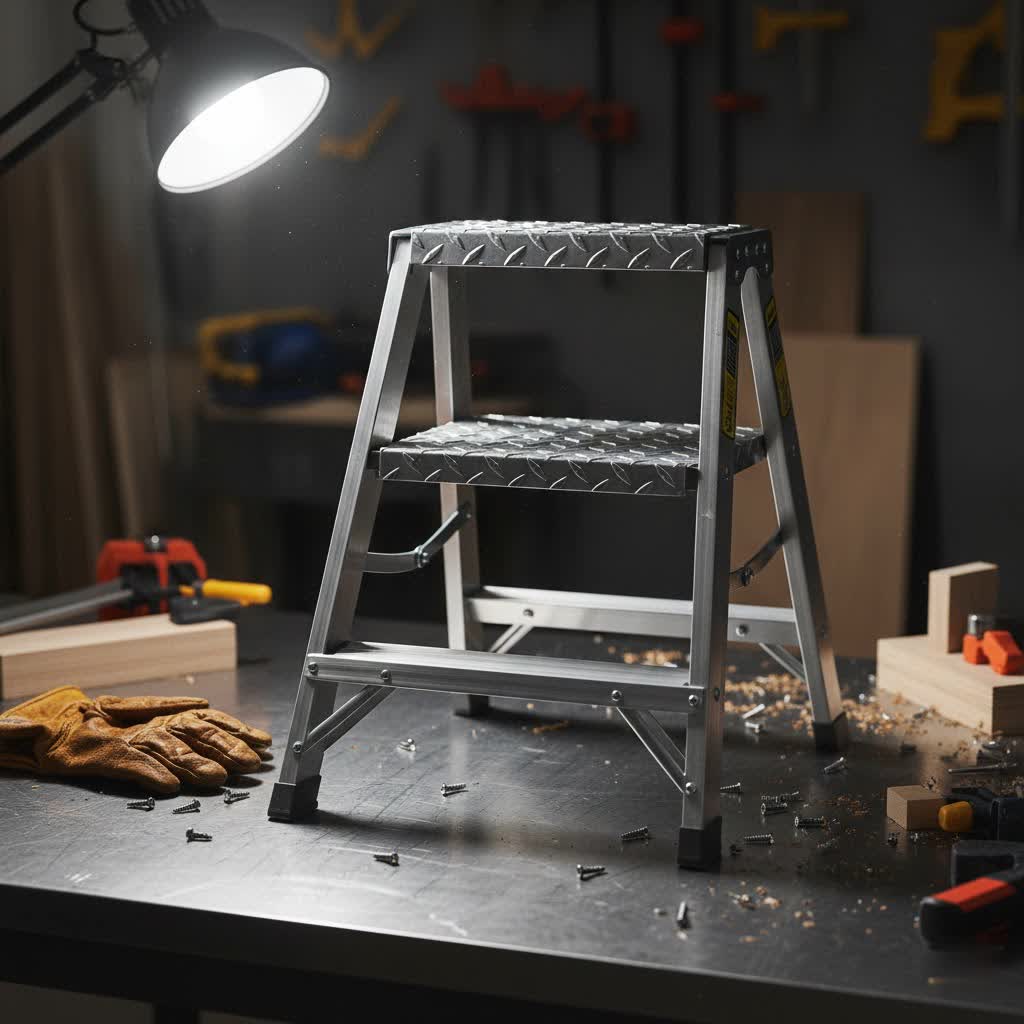
In every home, garage, or office, there comes a moment when you need just a little extra height. Reaching that top shelf, changing a light bulb, or dusting a ceiling fan often calls for more than a chair can offer, and less than a full-sized ladder requires. That’s where the humble yet indispensable 2 step ladder shines, providing a safe, convenient boost for countless everyday tasks. Choosing the right one, however, involves more than just picking the first model you see. It’s about understanding materials, safety features, and how it fits into your lifestyle. Let’s delve into the world of 2 step ladders and discover how to select the ideal one for your needs.
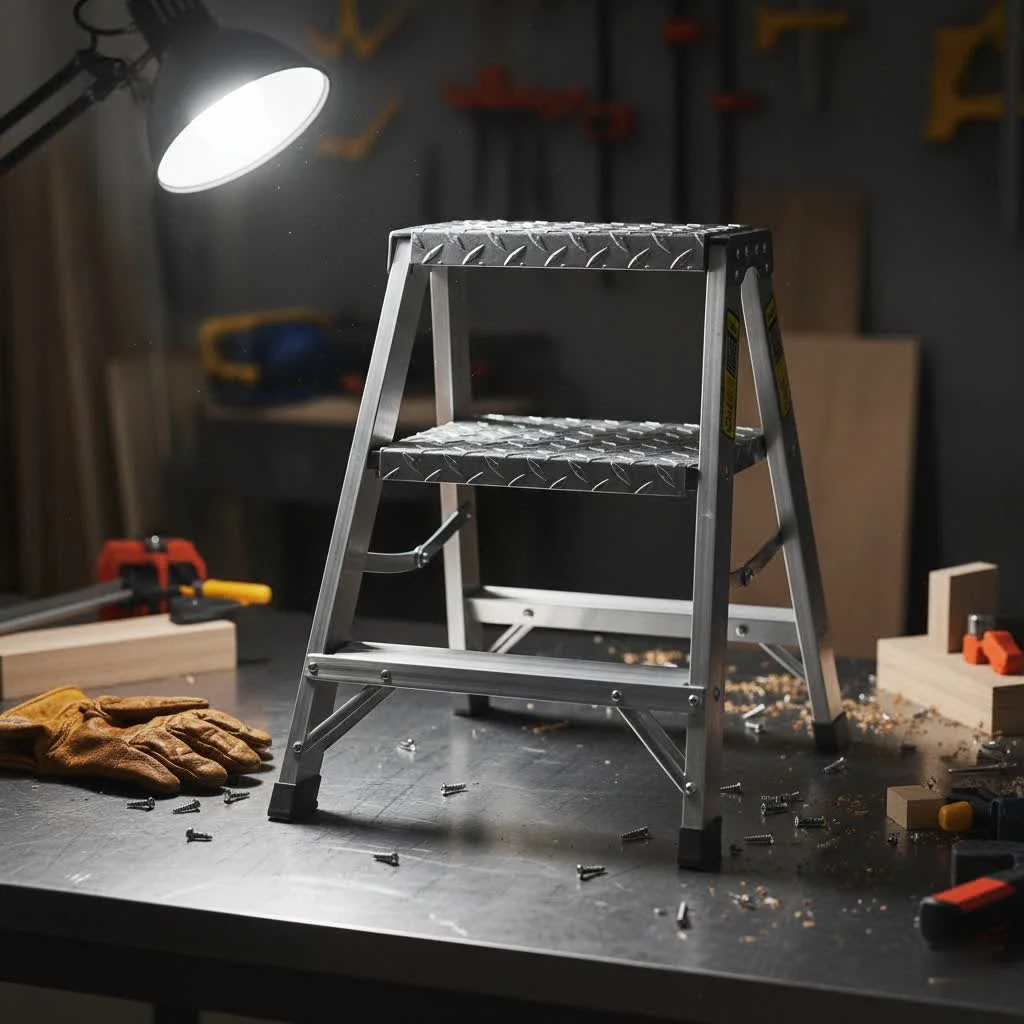
Understanding the Versatility of a 2 Step Ladder
A 2 step ladder, at its core, is a compact, self-supporting climbing tool designed for low to moderate height access. Unlike a step stool, which might offer only one elevated platform, a 2 step ladder provides two distinct levels, significantly extending your reach without the bulk of a larger ladder.
What Exactly is a 2 Step Ladder?
A 2 step ladder typically features an A-frame design, meaning it stands independently with two hinged frames. These ladders are characterized by their two broad, flat steps, which are generally more comfortable and secure than narrow rungs. They are engineered for stability, offering a reliable platform for tasks that keep you grounded yet need a slight elevation. The top-most standing level is usually the second step, providing a safe working height for most users.
Common Uses in Home and Workspace
The applications for a 2 step ladder are remarkably broad, making it a household essential. In the kitchen, it helps you retrieve items from high cabinets or clean above the refrigerator. For household chores, it’s perfect for dusting tall furniture, changing smoke detector batteries, or reaching windows for cleaning. In the garage or workshop, it assists with accessing storage racks or performing minor repairs on vehicles. Many offices also find them invaluable for file retrieval or re-arranging shelves. Their compact size and ease of use mean they’re often the go-to solution for quick, elevated tasks.
Exploring Different Types of 2 Step Ladders
While the basic function remains the same, 2 step ladders come in various forms, each suited to different user preferences and specific demands. Understanding these distinctions can help you pinpoint the best option.
Standard Folding 2 Step Ladders
These are the most common type, designed for ease of use, portability, and compact storage. Made typically from aluminum or steel, they fold flat, allowing them to be tucked away in narrow spaces like behind a door, in a closet, or under a bed.
- Pros:
- Lightweight and Portable: Easy to move from room to room.
- Space-Saving: Folds down to a slim profile for effortless storage.
- Versatile: Suitable for most common household and office tasks.
- Cons:
- Weight Capacity: May have lower weight limits compared to heavy-duty models.
- Durability: Lighter construction might not withstand very rigorous use.
- Ideal Applications: General household chores, accessing kitchen cabinets, light office work, minor decorating tasks.
Heavy-Duty and Industrial 2 Step Ladders
|
Our Picks for the Best Step Ladder in 2026
As an Amazon Associate I earn from qualifying purchases.
|
||
| Num | Product | Action |
|---|---|---|
| 1 | HBTower Step Ladder,Lightweight Aluminum Folding Step Stool with Anti-Slip Wide Pedal,330lbs Capacity Step Ladder-Black |

|
| 2 | HBTower 2 Step Ladder, Step Stool for Adults,2 Step Ladder Folding Step Stool with Wide Pedal Ergonomic Design |
|
| 3 | GameGem 3 Step Ladder, Folding Step Stool with Wider Pedal, Anti-Slip Feet & Non Slip Stripes, Aluminum Sturdy Material, 300Lbs Capacity, Elegant Look of Cream Chocolate Better Matches Your Home |
|
| 4 | HBTower 2 Step Ladder,2 Step Stool for Adults Folding Step Stool with Cushioned Handle with Wide Anti-Slip Pedal Ergonomic Design |
|
| 5 | 2 Step Ladder, Portable Steel Folding Step Stool with Wide Anti-Slip Pedal & Convenient Handgrip, 500lbs Sturdy Steel Ladder, Black |
|
| 6 | HBTower 3 Step Ladder Folding Step Stool, 330 Lbs Capacity Step Stool for Adults, Closet Step Stool Ladder with Anti-Slip Wide Pedals Household Office, White |
|
| 7 | HBtower 2 Step Ladder, Step Stool with Wide Anti-Slip Pedal, Step Ladder Folding Step Stool for Adults, Lightweight Steel Portable ladders for Home Kitchen |
|
| 8 | HBTower 3 Step Ladder, 3 Step Stool for Adults, 3 Step Ladder Folding Step Stool with Cushioned Handle Step Ladder with Wide Pedal Ergonomic Design,Black |
|
| 9 | 3 Step Ladder, Portable Folding Ladder for Multi-Purpose, Home, Kitchen, Heavy Sturdy Steel Step Stool with Handrail, Anti-Slip Wide Pedals, Safe-Lock Design, Pass 500lbs Load Testing, Black |
|
| 10 | HBTower Step Ladder,Lightweight Aluminum Folding Step Stool with Anti-Slip Wide Pedal,330lbs Capacity Step Ladder for Household,Kitchen,Office - BlackWoodgrain |
|
Built for more demanding environments, these ladders prioritize strength and durability. They often feature robust steel or fiberglass construction, higher weight capacities, and reinforced components to withstand frequent and more intense use.
- Pros:
- Exceptional Durability: Designed for longevity in tough conditions.
- Higher Weight Capacity: Can support heavier users and tools.
- Enhanced Stability: Often comes with wider bases and sturdier frames.
- Non-Conductive (Fiberglass): Safe for electrical work.
- Cons:
- Heavier: Less portable than standard folding models.
- Bulkier: May require more storage space.
- Price: Generally more expensive.
- Ideal Applications: Workshop use, garage organization, construction sites (for light-duty tasks), industrial settings, tasks involving power tools or heavy objects.
Decorative and Specialty 2 Step Ladders
Beyond pure utility, some 2 step ladders blend functionality with aesthetic appeal. Crafted from wood or featuring sleek, modern designs, these ladders are intended to be left out in living spaces, sometimes doubling as plant stands or decorative accents. Specialty models might also include unique features like extra-wide steps or built-in tool trays.
- Pros:
- Aesthetic Appeal: Designed to complement home decor.
- Premium Materials: Often feature high-quality wood or sleek metals.
- Enhanced Comfort: May have wider steps or ergonomic designs.
- Cons:
- Higher Cost: Design-focused ladders typically come with a higher price tag.
- Practicality: Some designs might prioritize looks over ultimate portability or ruggedness.
- Ideal Applications: Libraries, high-end kitchens, displaying items, tasks where the ladder needs to remain visible and accessible without being an eyesore.
Key Factors to Consider When Buying a 2 Step Ladder (Buying Guide)
Choosing the right 2 step ladder means weighing several factors to ensure it meets your specific needs for safety, durability, and convenience.
Material Matters: Aluminum vs. Steel vs. Fiberglass vs. Wood
The material of your 2 step ladder significantly impacts its weight, strength, and suitability for different tasks.
- Aluminum: Lightweight, rust-resistant, and relatively affordable. Ideal for general household use where portability is key.
- Steel: Heavier and very durable, offering excellent stability and higher weight capacities. Often seen in heavy-duty or industrial models. Can be prone to rust if not properly coated.
- Fiberglass: Non-conductive, making it the safest choice for electrical work. It’s also durable and resistant to weathering, but typically heavier and more expensive than aluminum.
- Wood: Offers a classic aesthetic and can be very sturdy. Often chosen for decorative purposes or for tasks around the house where a traditional look is desired. Can be heavier and requires more maintenance to prevent splintering or rot.
Safety First: Essential Features for a Secure Climb
Safety is paramount when using any ladder. Look for these critical features in a 2 step ladder:
- Non-slip steps and feet: The steps should have textured surfaces, rubber treads, or deep grooves to prevent slips. The feet of the ladder should be fitted with non-slip rubber caps to grip the floor securely and prevent sliding, especially on smooth surfaces.
- Locking mechanisms: For folding ladders, a secure locking mechanism is essential to ensure the ladder remains fully open and stable during use.
- Handrails (optional): While less common on small 2 step ladders, some models include a top handle or handrail for an extra point of contact and added stability, particularly beneficial for users who might need extra support.
“A 2 step ladder might seem simple, but its effectiveness hinges entirely on its safety features. Never compromise on non-slip steps and a solid locking mechanism.” – Johnathan Miller, Ladder Safety Expert
Weight Capacity and Duty Ratings Explained
Every ladder has a maximum weight capacity, also known as its duty rating, which indicates the total weight it can safely support (user + tools + materials). For 2 step ladders, capacities typically range from 200 lbs (Type III, light-duty) to 300 lbs (Type IA, extra heavy-duty) or even higher for some industrial models. Always choose a ladder with a duty rating that comfortably exceeds your anticipated total load.
Height and Reach: Getting the Right Lift
A 2 step ladder usually provides an average standing height of around 1.5 to 2 feet (18 to 24 inches) on the top step. This translates to a safe working reach of approximately 7 to 8 feet for an average person, allowing you to comfortably access most standard ceiling heights and upper shelves. Remember, the highest safe standing level on any step ladder is typically two steps down from the very top of the ladder to maintain balance and prevent falls.
Portability and Storage Solutions
Consider how often you’ll move the ladder and where you’ll store it. If you need to carry it frequently between rooms or store it in a tight space, a lightweight, ultra-slim folding aluminum model is ideal. For those who leave their ladder accessible and don’t mind a bit more bulk for added stability, a heavier steel or wood model might be perfectly suitable.
Top-Rated 2 Step Ladders: Our Expert Picks
Based on extensive testing, user reviews, and industry standards, here are some standout 2 step ladders that consistently deliver on performance, safety, and value.
Best Overall: HBTower 2-Step Folding Steel Ladder
This model frequently earns top marks for its robust construction and user-friendly features. It offers a solid steel frame for excellent stability, wide anti-slip pedals, and often includes a comfortable handrail, making it a reliable choice for everyday tasks. Its folding mechanism is smooth, allowing for easy storage.
- Features: Steel construction, wide anti-slip steps, often with handrails, compact folding design.
- Pros: Highly stable, durable, good safety features, widely available.
- Cons: Heavier than aluminum models.
- User Reviews: Praised for its sturdiness and feeling of security.
Best Value: COSCO 2-Step Household Folding Steel Step Stool
COSCO has a long-standing reputation for producing dependable household ladders. Their 2-step folding steel step stool offers a fantastic balance of affordability, durability, and practical design. It’s lightweight enough for easy transport yet sturdy for common tasks.
- Features: Steel frame, large resin steps, easy-folding mechanism.
- Pros: Very affordable, lightweight for its material, reliable brand.
- Cons: May lack some premium features like extra-wide steps or handrails found on pricier models.
- User Reviews: Appreciated for its straightforward functionality and cost-effectiveness.
Best for Aesthetics & Style: Hasegawa Lucano 2-Step Aluminum Ladder
For those who view tools as an extension of their home decor, the Hasegawa Lucano is a revelation. This Japanese-designed ladder combines sleek, minimalist aesthetics with robust aluminum construction. It’s so stylish, you’ll want to leave it out, perhaps even using it as a decorative stand when not in use.
- Features: Premium aluminum, ultra-slim profile when folded, self-standing design, elegant finishes.
- Pros: Exceptionally stylish, lightweight, very compact storage, high-quality build.
- Cons: Significantly more expensive than utilitarian models.
- User Reviews: Loved for its beautiful design, light weight, and surprising sturdiness.
Essential Safety Tips for Using Your 2 Step Ladder
Even with a reliable 2 step ladder, safe usage is key to preventing accidents.
Proper Setup and Use
- Level Surface: Always ensure your ladder is placed on a firm, level, and non-slippery surface. Avoid using it on rugs or uneven ground without proper stabilization.
- Fully Opened: Before climbing, make sure the ladder is fully open and its locking mechanism is engaged.
- Face the Ladder: Always face the ladder when climbing up or down, and while working. Maintain three points of contact (two hands and one foot, or two feet and one hand) at all times.
- Don’t Overreach: Never lean too far to the side, as this can destabilize the ladder. If you can’t reach, climb down and reposition the ladder.
- No Top Step: Avoid standing on the very top cap or the highest step not designed for standing, as this significantly reduces stability. The highest safe standing level is usually the second step.
Maintenance for Longevity
- Regular Inspection: Before each use, quickly inspect your ladder for any damage: loose screws, cracked steps, worn anti-slip pads, or faulty locking mechanisms. Do not use a damaged ladder.
- Cleanliness: Keep your ladder clean and dry. Dirt, grease, or moisture on the steps can lead to slips.
- Proper Storage: Store your ladder in a dry place, away from extreme temperatures and moisture, to prevent rust (for steel) or material degradation (for wood and fiberglass).
A 2 step ladder might be small, but its impact on safety and efficiency in your daily tasks is huge. By carefully considering its type, material, safety features, and how you plan to use and store it, you can select a product that serves you reliably for years. From the practical folding models for everyday household use to robust heavy-duty options for the workshop and elegantly designed pieces that complement your decor, there’s a perfect 2 step ladder waiting to give you that essential boost. What specific task do you find yourself needing that extra height for most often?
Frequently Asked Questions (FAQ)
How high can I safely reach with a 2 step ladder?
With a typical 2 step ladder, an average-height person can safely reach objects approximately 7 to 8 feet off the ground. This is because the top step usually places you around 1.5 to 2 feet higher, and your natural arm extension adds another 4 to 5 feet to your standing height.
Are 2 step ladders suitable for outdoor use?
Yes, many 2 step ladders are suitable for outdoor use, especially those made from aluminum or fiberglass, which are resistant to rust and weathering. However, always ensure the ground is firm and level, and clean any dirt or moisture from the steps after outdoor use to maintain safety and prolong the ladder’s life.
How do I store a 2 step ladder efficiently?
The most efficient way to store a 2 step ladder is usually by folding it flat. Many models are designed with an ultra-slim profile when folded, allowing them to be slipped into narrow spaces like beside a refrigerator, in a closet, behind a door, or under a bed. Some may also have a hanging hole for wall storage.
Get our weekly buyer guide
Practical specs, not advice. Unsubscribe anytime.
