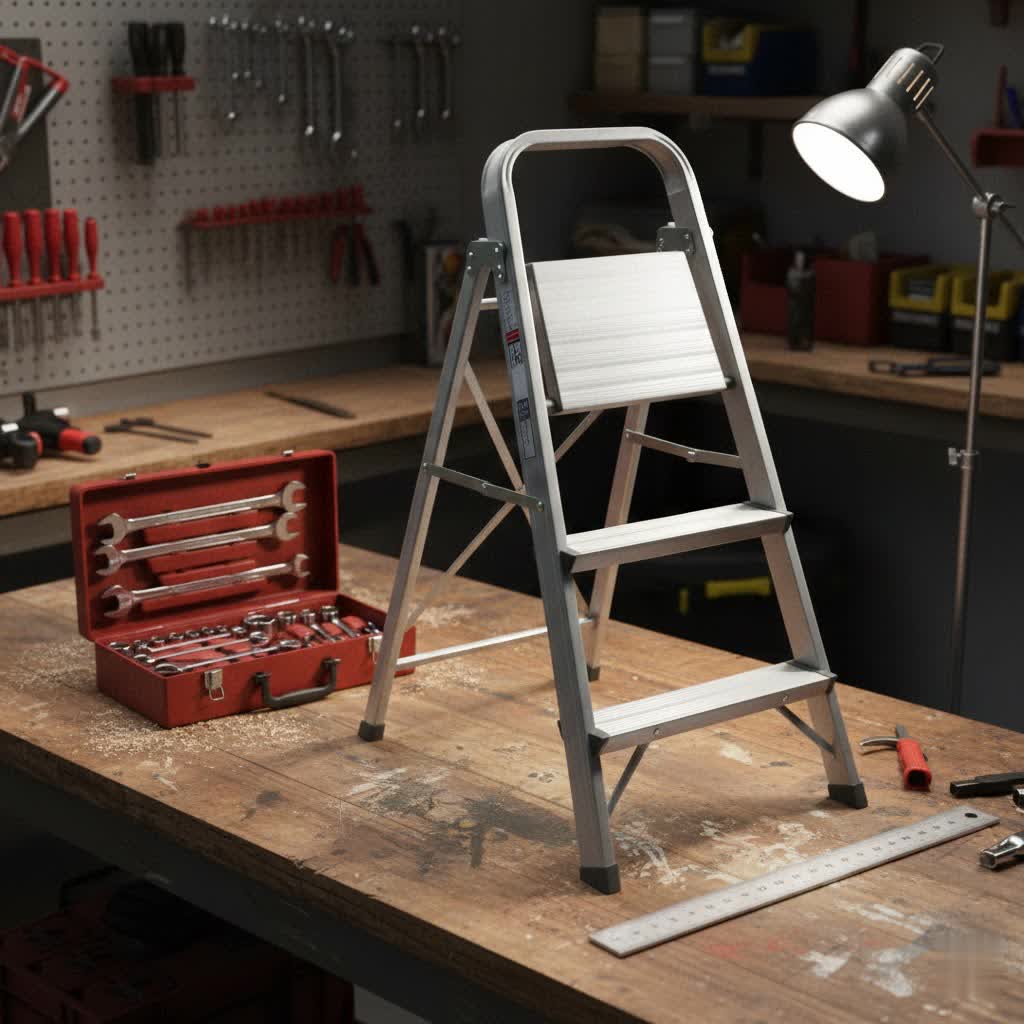
Reaching new heights, whether changing a flickering lightbulb or tackling a fresh coat of paint, requires the right tool for the job. Often, that tool is the reliable 6-foot step ladder, a staple in homes and on job sites alike. But with so many options available, how do you choose one that ensures safety, efficiency, and durability for your specific needs and budget? This comprehensive guide will illuminate the world of 6-foot step ladders, helping you make an informed decision for every task, big or small.
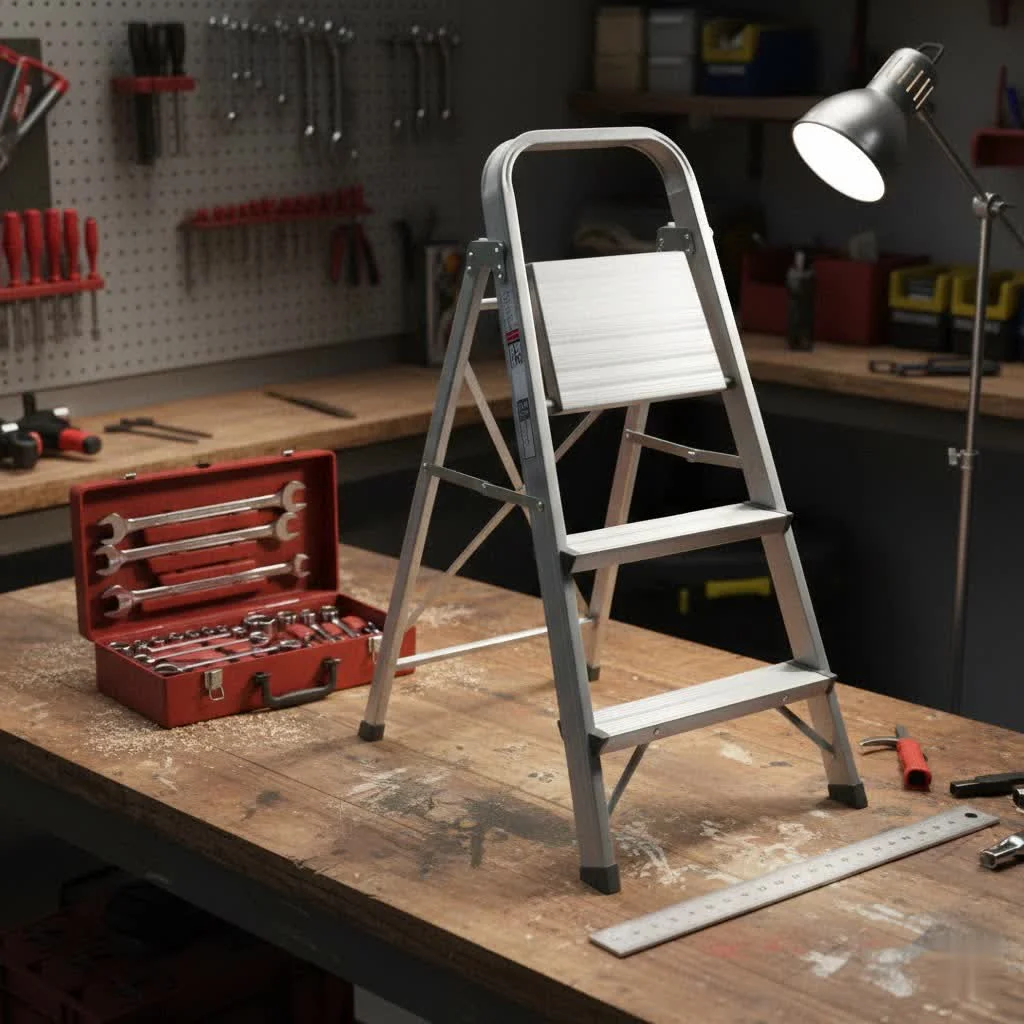
The Versatility of a 6-Foot Step Ladder
A 6-foot step ladder strikes an ideal balance between reach and portability, making it one of the most popular choices for a multitude of tasks. Its height is particularly well-suited for standard 10-foot ceilings, allowing users to comfortably reach light fixtures, paint trim, or access high shelves without overextending. For a standard 10-foot ceiling, a 6-foot step ladder is usually perfect, providing enough reach without requiring you to climb too high. Understanding the practical reach of a 6-foot step ladder is crucial. While the ladder itself is 6 feet tall, the maximum safe standing level is typically around 3.75 feet from the ground. For an average person standing on this step, the total reach height is approximately 10 feet, providing ample elevation for most indoor and light outdoor projects. It’s the sweet spot for tasks where an ordinary step stool falls short and a taller, heavier extension ladder is overkill. For more home guides on this site.
Types of 6-Foot Step Ladders: Residential vs. Professional
While the fundamental design of a step ladder remains consistent, significant differences exist between models designed for home use and those built for professional environments. These distinctions primarily revolve around materials, durability, and specialized features.
Residential Step Ladders
Advantages:
- Portability: Typically made from lighter materials like aluminum, making them easy to move around the house.
- Ease of Storage: Many residential models fold compactly, ideal for stowing in closets, garages, or utility rooms.
- Cost-Effective: Generally more affordable, providing excellent value for occasional home use.
- Basic Functionality: Perfect for everyday tasks such as changing light bulbs, cleaning windows, or picking up and placing items at heights.
Disadvantages:
- Lower Load Capacity: Often have Type II (225 lbs) or Type III (200 lbs) duty ratings, which may not suffice for heavier individuals or those carrying numerous tools.
- Less Durable: Materials may be less robust than professional-grade ladders, potentially wearing down faster with heavy use.
- Limited Features: May lack advanced safety or convenience features found on professional models.
Applications: Ideal for homeowners, DIY enthusiasts, and anyone needing a reliable boost for household chores, decorating, or minor repairs.
Professional Step Ladders
|
Our Picks for the Best Step Ladder in 2026
As an Amazon Associate I earn from qualifying purchases.
|
||
| Num | Product | Action |
|---|---|---|
| 1 | 2 Step Ladder, Portable Steel Folding Step Stool with Wide Anti-Slip Pedal & Convenient Handgrip, 500lbs Sturdy Steel Ladder, Black |

|
| 2 | HBTower Step Ladder,Lightweight Aluminum Folding Step Stool with Anti-Slip Wide Pedal,330lbs Capacity Step Ladder-Black |
|
| 3 | HBTower 2 Step Ladder, Step Stool for Adults,2 Step Ladder Folding Step Stool with Wide Pedal Ergonomic Design |
|
| 4 | HBtower 2 Step Ladder, Step Stool with Wide Anti-Slip Pedal, Step Ladder Folding Step Stool for Adults, Lightweight Steel Portable ladders for Home Kitchen |
|
| 5 | HBTower Step Ladder,Lightweight Aluminum Folding Step Stool with Anti-Slip Wide Pedal,330lbs Capacity Step Ladder for Household,Kitchen,Office - BlackWoodgrain |
|
| 6 | HBTower 3 Step Ladder, 3 Step Stool for Adults, 3 Step Ladder Folding Step Stool with Cushioned Handle Step Ladder with Wide Pedal Ergonomic Design,Black |
|
| 7 | 3 Step Ladder, Portable Folding Ladder for Multi-Purpose, Home, Kitchen, Heavy Sturdy Steel Step Stool with Handrail, Anti-Slip Wide Pedals, Safe-Lock Design, Pass 500lbs Load Testing, Black |
|
| 8 | HBTower 3 Step Ladder Folding Step Stool, 330 Lbs Capacity Step Stool for Adults, Closet Step Stool Ladder with Anti-Slip Wide Pedals Household Office, White |
|
| 9 | GameGem 3 Step Ladder, Folding Step Stool with Wider Pedal, Anti-Slip Feet & Non Slip Stripes, Aluminum Sturdy Material, 300Lbs Capacity, Elegant Look of Cream Chocolate Better Matches Your Home |
|
| 10 | HBTower 2 Step Ladder,2 Step Stool for Adults Folding Step Stool with Cushioned Handle with Wide Anti-Slip Pedal Ergonomic Design |
|
Advantages:
- Superior Durability: Professional ladders often use higher-strength materials, such as high-strength aluminum alloy or fiberglass, which not only have strong load-bearing capacity but also have good durability and corrosion resistance.
- Higher Load Capacity: Typically feature Type I (250 lbs), Type IA (300 lbs), or Type IAA (375 lbs) duty ratings, accommodating heavier users and substantial tool loads.
- Enhanced Safety Features: Professional ladders are equipped with more safety measures, such as high-strength support rods, non-slip pedals, and certifications that meet industrial safety standards.
- Specialized Designs: Options like platform ladders with wider standing surfaces and safety railings, or multi-position ladders that convert to other configurations, offer greater versatility for complex tasks.
Disadvantages:
- Heavier: Professional models, especially fiberglass ones, can be heavier and more cumbersome to transport.
- Higher Cost: The robust construction and advanced features come with a higher price tag.
- Bulkier: May not fold as compactly as some residential models.
Applications: Essential for contractors, painters, electricians, maintenance technicians, and anyone requiring a ladder that can endure tough working conditions and varying job requirements.
Choosing the Right Material: Fiberglass vs. Aluminum
The material of your 6-foot step ladder is a critical consideration, directly impacting its weight, durability, and, most importantly, safety, particularly when electricity is involved.
Fiberglass Ladders
Advantages:
- Non-Conductive: Fiberglass ladders are absolutely required when working around electricity because of the material’s non-conductive properties.
- Durable: Extremely robust and resistant to weathering, rust, and dents. They offer excellent longevity.
- Sturdy: Generally heavier than aluminum, which often translates to a more stable feel when working at height.
Disadvantages:
- Heavier: The increased strength comes with added weight, making them less portable for some users.
- Higher Cost: Fiberglass ladders are typically more expensive than their aluminum counterparts.
- Can Splinter: Over time, especially if exposed to UV light, fiberglass can degrade and splinter, though modern ladders are designed to mitigate this.
Aluminum Ladders
Advantages:
- Lightweight: Aluminum ladders are cost-effective, light-weight, and quick and easy to transport.
- Cost-Effective: Generally the most budget-friendly option.
- Corrosion Resistant: Aluminum does not rust, which is beneficial for outdoor use.
Disadvantages:
- Electrically Conductive: Aluminum ladders are generally the best option as long as you’re not carrying out electrical work. Never use an aluminum ladder near electrical wiring or power sources.
- Less Durable: More prone to denting and bending than fiberglass, especially under heavy impact.
- Can Be Less Stable: While modern designs are very stable, the lighter weight can sometimes contribute to a less “planted” feel compared to heavier fiberglass models.
For any task involving potential contact with electricity, fiberglass is the unequivocal choice. For general household tasks where no electrical hazards exist, aluminum offers a lightweight and economical solution.
Essential Features for Your 6-Foot Step Ladder
Beyond height and material, several features contribute to a ladder’s safety, utility, and user convenience.
Duty Ratings & Weight Capacity
The ladder’s duty rating specifies the maximum weight it can safely support, including the user, tools, and materials. For a 6-foot step ladder, common ratings are:
- Type I (Heavy Duty): 250 lbs
- Type IA (Extra Heavy Duty): 300 lbs
- Type IAA (Special Duty): 375 lbs
Always choose a ladder with a duty rating that comfortably exceeds your combined weight and the maximum weight of your equipment. Underestimating this can lead to dangerous overloads and potential accidents.
Safety Features
- Non-Slip Feet: The feet should be non-slip and in good condition. Essential for stability on various surfaces. Look for sturdy, articulating rubber feet that grip well and prevent sliding.
- Locking Mechanisms: Ensure the ladder securely locks into its A-frame position to prevent accidental collapsing.
- Wide Steps/Treads: Offer more comfortable and secure footing, reducing fatigue and the risk of slips. Textured or grooved steps provide additional grip. Some ladders feature extra-large steps.
- Handrails/Top Bar: A sturdy top rail or integrated handrails provide an extra point of contact and stability, especially when climbing or reaching. Some models have sponge-covered handrails for a softer grip.
- Spreader Braces: Robust spreader braces that lock securely are crucial for maintaining the ladder’s rigid A-frame structure.
Convenience Features
- Tool Trays/Caddies: The slots at the top of some Louisville ladders let you keep your tools within reach. Integrated trays, magnetic strips, or hooks at the top of the ladder keep tools, hardware, and paint conveniently within reach, minimizing trips up and down.
- Easy Folding & Storage: A well-designed 6-foot step ladder should fold easily and remain compact for hassle-free storage.
- Lightweight Design: For frequent movement around the house or job site, a lighter ladder reduces strain.
- Multi-Position Capability: Some advanced 6-foot models can transform into extension ladders, scaffold bases, or even stairwell ladders, offering exceptional versatility for different tasks.
Top 6-Foot Step Ladders in Review
Many reputable brands offer excellent 6-foot step ladders, each with unique strengths. Here’s a brief overview of some commonly praised options:
| Brand | Material | Duty Rating | Key Features | Best For |
|---|---|---|---|---|
| Louisville Ladder | Fiberglass | Type IA | Cross-Step design, tool caddy, excellent stability | General home, professional, electrical tasks |
| Little Giant | Aluminum/FG | Type IA | Multi-position versatility, wheels, sturdy | Versatile tasks, frequent relocation |
| Werner | Fiberglass | Type I/IA | Leansafe design (can lean against walls), durable | Professionals, diverse work environments |
| Gorilla Ladders | Aluminum/FG | Type I/IA | Dual-platform options, lightweight models | DIY, tasks requiring extended standing |
The Louisville Ladder 6-Foot Fiberglass Cross Step Ladder earned our top award for its stability, portability, build quality, and value. It often earns top marks for its combination of stability, robust build quality, and value, particularly for those needing a reliable fiberglass option. For individuals seeking ultimate adaptability, Little Giant offers models like the King Kombo that transform into various configurations, making them incredibly versatile. These ladders are often lauded for their solid feel and smooth adjustments, with wheels that make them easier to move around. Werner is another industry leader, particularly known for its durable fiberglass ladders and innovative “Leansafe” designs that safely lean against various surfaces, making it work well for both homeowner tasks and professionals. Ultimately, the “best” ladder depends on your specific needs, budget, and the type of work you’ll be doing.
Expert Tips for Safe Ladder Use
As an experienced technician, I can’t stress enough that safety should always be your top priority when using any ladder. A 6-foot step ladder is generally stable, but accidents can happen.
“A ladder is only as safe as its user. Always take the extra minute to check your setup and never compromise on proper technique.”
Here are essential safety guidelines:
- Inspect Before Use: Always check your ladder for any damage, loose rivets, or worn non-slip feet before each use. Never use a damaged ladder.
- Level Surface: Ensure the ladder is placed on firm, level ground. If working outdoors on soft surfaces, lay down a large wooden board to spread the load.
- Maintain Three Points of Contact: Always keep two feet and one hand, or two hands and one foot, on the ladder at all times when climbing or descending.
- Avoid Overreaching: Do not underestimate the height of your necessary access, as overreaching is one of the biggest causes of ladder accidents. If you have to reach out or stretch, move your step ladder straight away.
- Never Stand on the Top Cap: The very top step or cap of a step ladder is not designed for standing unless explicitly stated by the manufacturer. Use it only as a tool holder if applicable.
- Face the Ladder: Always set your step ladder to face the work area, otherwise it’ll be unstable.
- Clear the Area: Ensure the area around the base and top of the ladder is clear of obstructions.
- Proper Storage: Store your ladder in a dry place, away from extreme temperatures and corrosive materials, to prolong its life.
Conclusion
A 6-foot step ladder is an indispensable tool, offering a practical reach and stability for countless tasks around the home and on the job. By carefully considering its type, material (fiberglass for electrical work, aluminum for lightweight general tasks), duty rating, and essential safety and convenience features, you can select a model that perfectly aligns with your requirements. Remember that investing in a high-quality, appropriately rated ladder, and consistently adhering to safety protocols, is an investment in your productivity and, more importantly, your well-being. Which features are most critical for your next project?
Frequently Asked Questions
What is the maximum height I can reach with a 6-foot step ladder?
For most individuals, a 6-foot step ladder allows a comfortable reach of approximately 10 feet. This accounts for the maximum safe standing level (typically around 3.75 feet from the ground) plus an average person’s arm extension.
Is a fiberglass or aluminum 6-foot step ladder better?
The “better” material depends on your work. Fiberglass is non-conductive and mandatory for any tasks near electricity, offering superior durability. Aluminum is lightweight and more cost-effective but should never be used near electrical hazards due to its conductivity.
Can two people use a 6-foot step ladder at the same time?
Standard A-frame step ladders are designed for single-person use. Some specialized “twin step ladders” have steps on both sides and are built to accommodate two users, but always check the manufacturer’s guidelines and duty rating.
How do I properly store my 6-foot step ladder?
Store your step ladder in a dry, covered area, protected from the elements and extreme temperatures. Ensure it is not blocking pathways and is secure to prevent it from falling over, maintaining its structural integrity and safety features.
What does “duty rating” mean for a step ladder?
The duty rating indicates the maximum total weight a ladder can safely support, which includes the user’s weight, tools, and any materials being carried. For a 6-foot step ladder, common ratings are Type I (250 lbs) and Type IA (300 lbs), ensuring safety under specific loads.
Can I paint with a 6-foot step ladder?
Absolutely! A 6-foot step ladder is an excellent choice for painting walls and ceilings in rooms with standard 8 to 10-foot ceiling heights. Its stability and convenient reach make it ideal for detailed work and covering larger areas comfortably.
Get our weekly buyer guide
Practical specs, not advice. Unsubscribe anytime.
