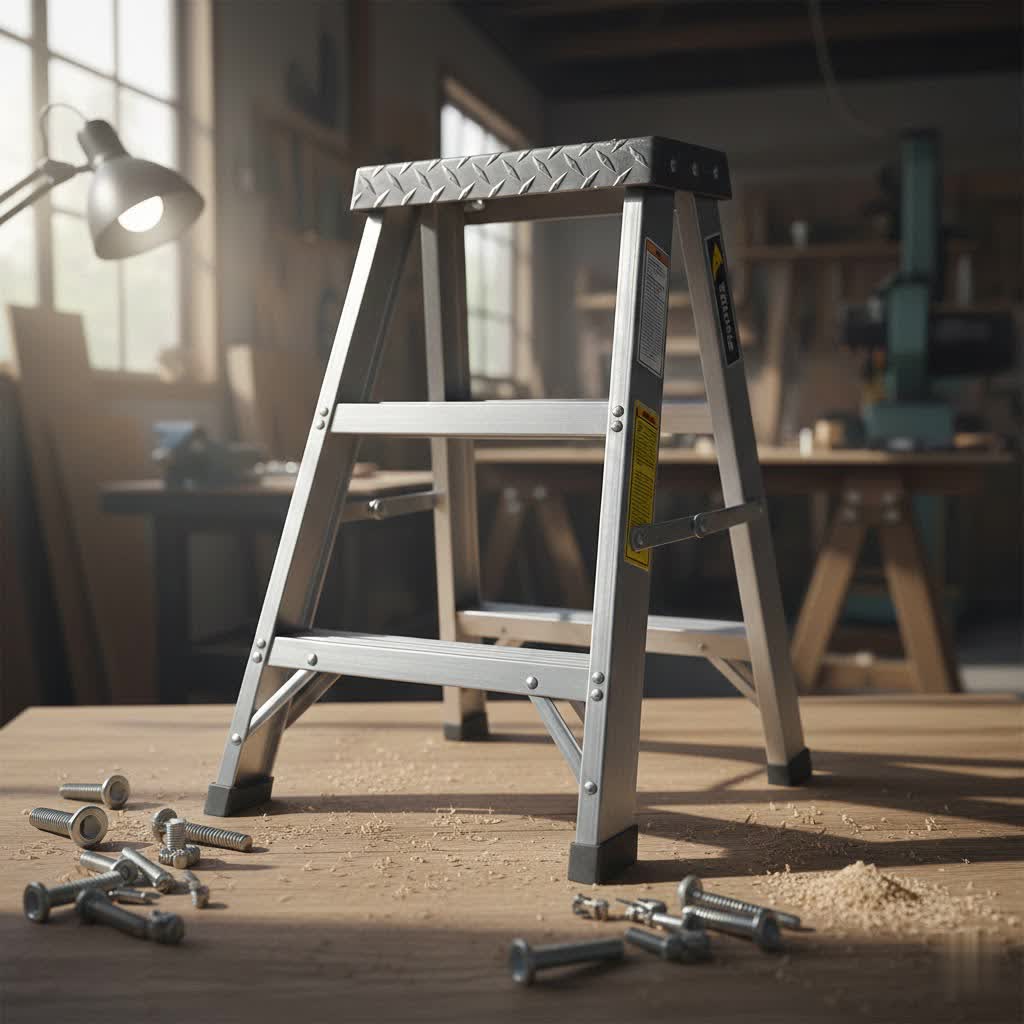
Tackling projects that demand a little extra reach can often feel daunting. Whether it’s painting a high ceiling, cleaning tall windows, or simply reaching that top shelf in your garage, a reliable 8 feet step ladder is an indispensable tool that bridges the gap between your capabilities and the task at hand. This comprehensive guide will illuminate the world of 8-foot step ladders, helping you understand their nuances and empowering you to make the perfect choice for your home or professional needs.
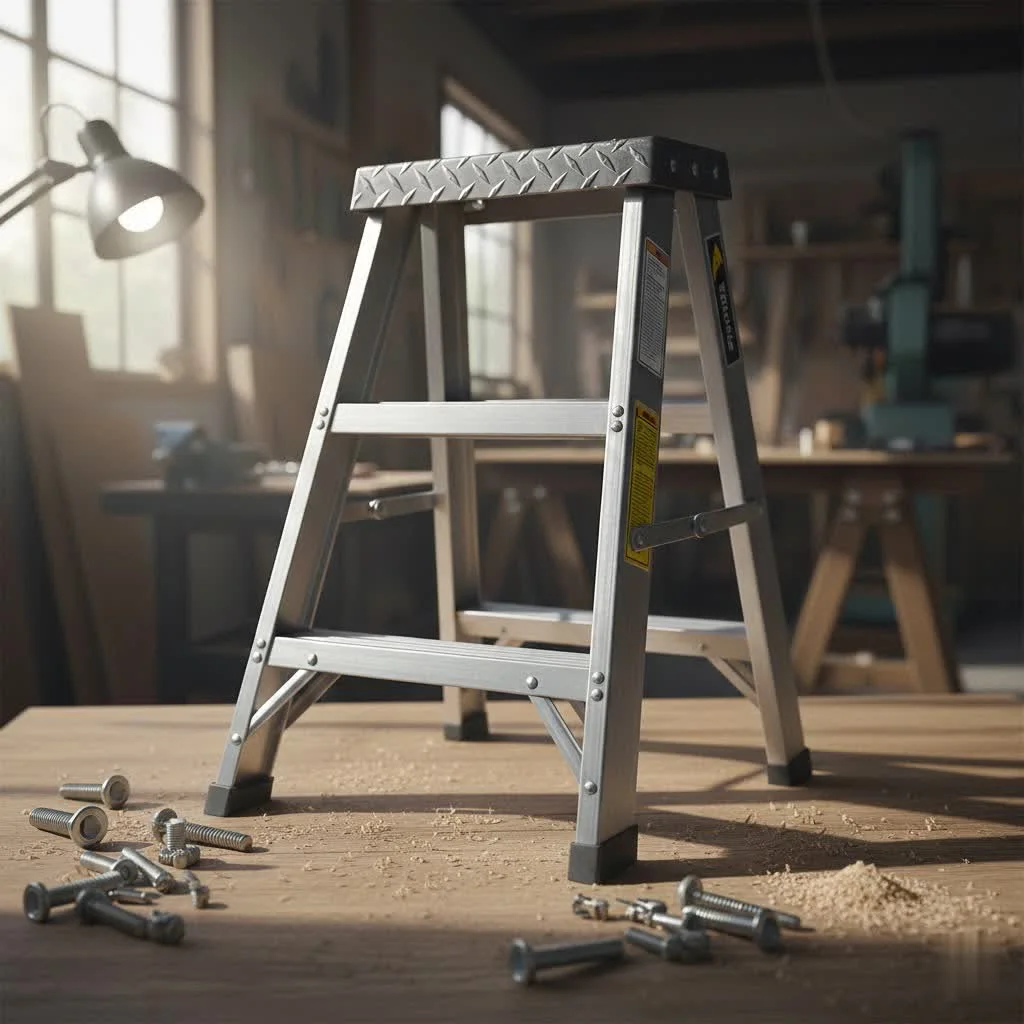
Popular Types of 8 Feet Step Ladders
Not all 8-foot step ladders are created equal. They typically fall into categories based on their intended use, material, and features, catering to different requirements for safety, durability, and portability. Understanding these distinctions is the first step in selecting the right tool.
Household 8-Foot Step Ladders
Designed with the homeowner in mind, these ladders prioritize ease of use, lighter weight, and often a more accessible price point. They are perfect for a variety of domestic tasks, offering sufficient height for common household maintenance.
- Pros: Generally lighter and easier to maneuver, suitable for occasional use, often more budget-friendly. Many come with convenient features like tool trays for holding screws, paint cans, or other small items.
- Cons: Typically have lower duty ratings, meaning they might not withstand heavy professional use or excessive weight. Material choice often leans towards aluminum, which is not suitable for electrical work.
- Practical Applications: Changing light bulbs in vaulted ceilings, reaching high kitchen cabinets, interior painting, cleaning exterior windows on a single-story home, or hanging decorations.
Professional 8-Foot Step Ladders
For contractors, tradespeople, or serious DIY enthusiasts, professional-grade 8-foot step ladders are engineered for maximum durability, stability, and safety. These models are built to endure rigorous daily use on job sites and offer enhanced features.
- Pros: High duty ratings (e.g., Type IA or Type IAA, supporting 300-375 lbs), robust construction, and advanced safety features. Often made from non-conductive fiberglass, making them safe for electrical work. Many include integrated tool organizers, extended guardrails, and reinforced bracing for superior stability.
- Cons: Can be heavier and less portable than household models, and typically come with a higher price tag.
- Practical Applications: Electrical installations, extensive painting projects, HVAC maintenance, construction tasks, heavy-duty cleaning, and any job requiring prolonged work at height with tools and materials.
“Choosing between a household and a professional 8-foot step ladder boils down to frequency of use and the nature of the tasks. For light, occasional domestic jobs, a standard aluminum model suffices. But for rigorous, professional work, the investment in a fiberglass, high-duty-rated ladder pays dividends in safety and longevity.”
Comparing Leading 8 Feet Step Ladder Brands
The market offers a robust selection of 8-foot step ladders from reputable manufacturers. Here’s a detailed comparison to help you navigate the options and identify brands that align with your specific needs.
Detailed Comparison Table
|
Our Picks for the Best Step Ladder in 2026
As an Amazon Associate I earn from qualifying purchases.
|
||
| Num | Product | Action |
|---|---|---|
| 1 | 2 Step Ladder, Portable Steel Folding Step Stool with Wide Anti-Slip Pedal & Convenient Handgrip, 500lbs Sturdy Steel Ladder, Black |

|
| 2 | HBTower Step Ladder,Lightweight Aluminum Folding Step Stool with Anti-Slip Wide Pedal,330lbs Capacity Step Ladder-Black |
|
| 3 | HBTower 2 Step Ladder, Step Stool for Adults,2 Step Ladder Folding Step Stool with Wide Pedal Ergonomic Design |
|
| 4 | HBTower 2 Step Ladder,2 Step Stool for Adults Folding Step Stool with Cushioned Handle with Wide Anti-Slip Pedal Ergonomic Design |
|
| 5 | HBtower 2 Step Ladder, Step Stool with Wide Anti-Slip Pedal, Step Ladder Folding Step Stool for Adults, Lightweight Steel Portable ladders for Home Kitchen |
|
| 6 | GameGem 3 Step Ladder, Folding Step Stool with Wider Pedal, Anti-Slip Feet & Non Slip Stripes, Aluminum Sturdy Material, 300Lbs Capacity, Elegant Look of Cream Chocolate Better Matches Your Home |
|
| 7 | 3 Step Ladder, Portable Folding Ladder for Multi-Purpose, Home, Kitchen, Heavy Sturdy Steel Step Stool with Handrail, Anti-Slip Wide Pedals, Safe-Lock Design, Pass 500lbs Load Testing, Black |
|
| 8 | HBTower 3 Step Ladder, 3 Step Stool for Adults, 3 Step Ladder Folding Step Stool with Cushioned Handle Step Ladder with Wide Pedal Ergonomic Design,Black |
|
| 9 | HBTower Step Ladder,Lightweight Aluminum Folding Step Stool with Anti-Slip Wide Pedal,330lbs Capacity Step Ladder for Household,Kitchen,Office - BlackWoodgrain |
|
| 10 | HBTower 3 Step Ladder Folding Step Stool, 330 Lbs Capacity Step Stool for Adults, Closet Step Stool Ladder with Anti-Slip Wide Pedals Household Office, White |
|
| Brand | Material | Duty Rating (Typical) | Key Features | Price Range (Approx.) | Ideal For |
|---|---|---|---|---|---|
| Werner | Fiberglass/Aluminum | 300-375 lbs (Type IA/IAA) | LEANSAFE® design, LOCKTOP™ tool tray, EDGE360™ protection, versatile | $180 – $400+ | Professionals, versatile use, electrical work |
| Louisville | Fiberglass/Aluminum | 300-375 lbs (Type IA/IAA) | Raptor top with magnet/tool slots, SHOX impact system, robust build | $150 – $350+ | Heavy-duty tasks, durability, tool organization |
| DeWalt | Fiberglass | 300 lbs (Type IA) | Stability, non-conductive, magnetic tool top tray, professional-grade | $200 – $450+ | Professionals, high stability, electrical safety |
| Little Giant | Aluminum/Fiberglass | 300-375 lbs (Type IA/IAA) | Multi-position (King Kombo), wide stance, rapid lock adjustments, wheels | $250 – $600+ | Versatility, multi-tasking, varying job sites |
| Cosco | Aluminum | 300 lbs (Commercial) | Lightweight, 2-in-1 step/extension, folds flat, secure rungs | $100 – $200+ | Homeowners, light commercial, portability |
Overall Assessment
- For ultimate versatility and safety on diverse job sites, brands like Werner and Little Giant stand out. Werner’s LEANSAFE series, for instance, can safely lean against walls or poles, offering flexibility beyond a standard A-frame. Little Giant’s multi-position ladders, like the King Kombo, can transform into various configurations, reducing the need for multiple ladders.
- For robust professional use with a focus on durability and integrated tool management, DeWalt and Louisville offer excellent fiberglass options. Their ladders are built tough with features like magnetic tool trays and impact absorption systems.
- For homeowners seeking a reliable and portable 8-foot step ladder without breaking the bank, Cosco provides solid aluminum options that are easy to store and suitable for general household tasks. While not always a dedicated 8-foot step ladder, some of their convertible models can achieve this height effectively.
When comparing, consider the specific tasks you’ll undertake and the environmental conditions. If electrical hazards are present, fiberglass is non-negotiable. If portability is key, lighter aluminum models might be preferred, provided they meet safety standards.
Your Essential 8 Feet Step Ladder Buying Guide
Selecting the right 8 feet step ladder involves more than just picking a height. Several critical factors contribute to a ladder’s safety, utility, and longevity.
Key Factors to Consider
-
Height and Weight Capacity (Duty Rating): An 8-foot step ladder typically provides a maximum safe standing height of approximately 6 feet, allowing you to comfortably reach working heights up to 12-14 feet, depending on your own height. Always check the duty rating, which indicates the maximum weight the ladder can safely support. This includes your weight, tools, and materials.
- Type III (200 lbs): Light-duty, suitable for occasional home use.
- Type II (225 lbs): Medium-duty, for light commercial or heavier home use.
- Type I (250 lbs): Heavy-duty, for industrial use.
- Type IA (300 lbs): Extra heavy-duty, for professional and industrial use.
- Type IAA (375 lbs): Extra heavy-duty, ideal for demanding industrial and construction applications.
Ensure the ladder’s rating comfortably exceeds your combined weight.
-
Material and Durability:
- Fiberglass: The preferred material for professionals, especially when working near electricity, as it is non-conductive. Fiberglass ladders are robust, weather-resistant, and generally more durable, though heavier and more expensive than aluminum.
- Aluminum: Lightweight, corrosion-resistant, and easier to transport. Aluminum ladders are ideal for general household tasks where electrical hazards are not a concern. They are typically more affordable but conduct electricity, posing a risk in certain environments.
-
Safety Features: A ladder’s safety features are paramount. Look for:
- Non-slip Feet: Pivoting or oversized foot pads provide better grip on various surfaces.
- Spreader Braces: Strong, securely locking spreaders ensure the ladder remains open and stable during use.
- Large Platform Top: Many 8-foot step ladders feature an extended top platform for a more secure and comfortable standing area, sometimes with a toe guard.
- Tool Trays/Organizers: Integrated tops with slots, magnets, or trays keep tools conveniently within reach, reducing the need to climb up and down.
- Guardrails: Extended guardrails offer an additional point of contact and can enhance stability.
- Double-Riveted Steps: This construction adds strength and durability to the steps.
- Impact Absorption Systems: Some premium models include systems like SHOX for enhanced shock absorption.
-
Price and Brand Reputation: While budget is a factor, compromising on safety is never advisable. Invest in a reputable brand known for quality and adherence to safety standards (e.g., ANSI, OSHA). Cheaper, unknown brands might cut corners on materials or design, leading to an unsafe product. Expect to pay more for fiberglass, higher duty ratings, and advanced features.
Expert Advice for Choosing Your Step Ladder
“Always prioritize safety and intended use,” advises John M., a seasoned ladder technician. “An 8-foot step ladder is a significant tool, and understanding its limitations and capabilities is crucial. Don’t buy a Type III if you’re a professional carrying heavy gear, and never use an aluminum ladder near live wires. A good ladder is an investment in your safety and efficiency.”
- Match the Ladder to the Job: Consider the highest point you need to reach and the environment you’ll be working in. For electrical work, fiberglass is a must. For painting, a ladder with a built-in paint can holder is a huge plus.
- Inspect Before Every Use: Before you climb, quickly check for any damage, loose parts, or slippery residue. A compromised ladder is a dangerous ladder.
- Proper Storage: Store your ladder in a dry place, away from extreme temperatures and corrosive materials, to extend its lifespan. Ensure moving parts are locked when not in use to prevent accidental opening.
Top 8 Feet Step Ladders Worth Considering
Based on expert reviews, user feedback, and safety features, here are some of the top 8 feet step ladders that deliver exceptional performance and value.
Detailed Reviews
-
DeWalt 8 Foot Fiberglass Step Ladder (e.g., DXL3010-08 Series):
- Pros: Frequently lauded as a “best overall” choice for its exceptional stability and fiberglass construction. It offers non-conductive safety crucial for electrical work and often includes a magnetic tool top tray for convenience. Its robust build makes it a favorite among professionals.
- Cons: The 8-foot size, while versatile, might be a bit large and less maneuverable for very confined indoor spaces compared to smaller ladders. It also sits at a higher price point due to its professional-grade features.
- User Reviews: Users consistently praise its rock-solid feel and the security it provides at height. Many highlight the utility of the magnetic tool tray.
-
Werner LEANSAFE® 8 Foot Fiberglass Step Ladder:
- Pros: The LEANSAFE design is a game-changer, allowing it to safely lean against walls, studs, poles, and even corners when used as a straight ladder, in addition to its standard A-frame configuration. This versatility often eliminates the need for a separate extension ladder for certain tasks. It features non-conductive fiberglass rails and a high load capacity.
- Cons: While versatile, the leaning feature requires understanding proper usage. It’s a premium product, and its specialized design might be overkill for someone needing only a basic step ladder.
- User Reviews: Appreciated for its innovative leaning capability and the confidence it inspires. Users note its sturdiness and suitability for various job site scenarios.
-
Louisville Ladder FS1508 8 ft. Fiberglass Step Ladder:
- Pros: This model is a strong contender for heavy-duty applications. It boasts a Type IA (300 lb) duty rating, a “raptor top” with tool slots and a magnet, and the SHOX impact absorption system for enhanced durability. Its “raptor boots” are designed for secure, slip-resistant footing, and it meets or exceeds ANSI, CSA, and OSHA safety standards.
- Cons: Similar to other professional fiberglass ladders, it can be heavier to transport than aluminum alternatives. The focus is heavily on utility and safety, so aesthetics might be secondary.
- User Reviews: Professionals commend its robust construction and the thoughtful design of the tool-holding top, which significantly improves workflow on ladders.
Conclusion
An 8 feet step ladder is a crucial investment for anyone requiring safe and stable elevated access, whether for routine home maintenance or demanding professional projects. By considering the ladder’s material, duty rating, essential safety features, and the reputation of the brand, you can confidently choose a tool that not only meets your needs but also ensures your safety at every height. Don’t let those hard-to-reach areas remain untouched—equip yourself with the right 8 feet step ladder and elevate your work to new levels of efficiency and safety.
What project will you conquer next with your perfectly chosen 8 feet step ladder?
Frequently Asked Questions
What is the typical reach height of an 8 feet step ladder?
An 8 feet step ladder usually provides a maximum safe standing height of approximately 6 feet from the ground. This allows an average person to comfortably reach a working height of 12 to 14 feet, depending on their own height and arm extension. Always avoid standing on the top cap or the step immediately below it.
Should I choose a fiberglass or aluminum 8 feet step ladder?
Choose fiberglass if you will be working near electricity, as it is non-conductive and safer in such environments. Fiberglass ladders are also more durable and weather-resistant. Opt for aluminum if you need a lighter, more portable ladder for general household tasks where there are no electrical hazards, and budget is a primary concern.
What duty rating should I look for in an 8 feet step ladder?
The duty rating indicates the maximum weight the ladder can support, including your weight, tools, and materials. For most household tasks, a Type II (225 lbs) or Type I (250 lbs) might suffice. However, for serious DIYers or professionals, a Type IA (300 lbs) or Type IAA (375 lbs) offers superior safety and durability.
Are multi-position ladders a good alternative to an 8 feet step ladder?
Multi-position ladders, like those from Little Giant or Gorilla, can often be configured as an A-frame step ladder to an 8-foot working height. They offer tremendous versatility by combining several ladder types into one. While excellent for diverse tasks, they might be heavier and require more setup than a dedicated 8-foot step ladder.
How do I ensure safety when using an 8 feet step ladder?
Always inspect your ladder before each use for damage. Ensure it is placed on a firm, level surface with the spreaders fully locked. Maintain three points of contact (two hands and one foot, or two feet and one hand) when climbing or working. Never stand on the top cap or exceed the ladder’s maximum load rating.
Get our weekly buyer guide
Practical specs, not advice. Unsubscribe anytime.
