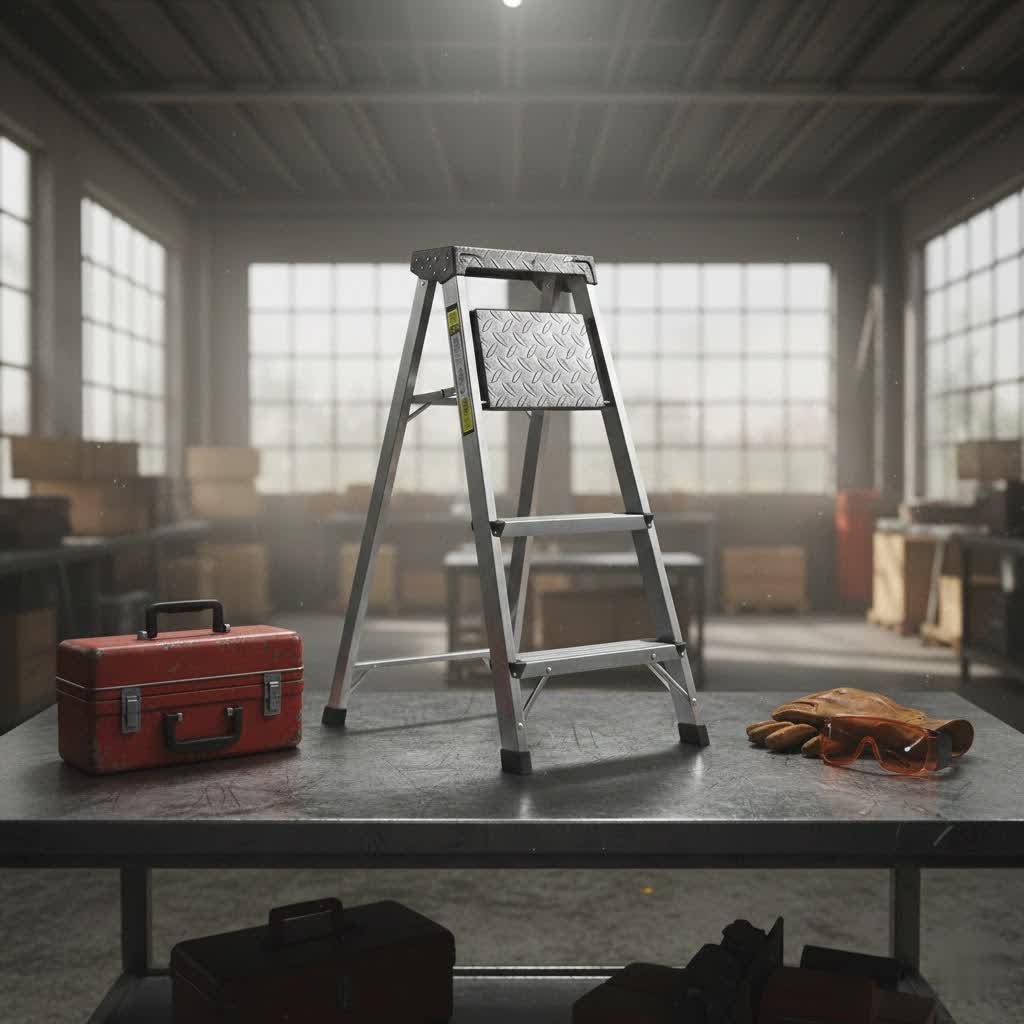
Reaching new heights, whether for a pristine paint job, a tricky ceiling fan installation, or tackling outdoor maintenance, often requires more than just a quick boost. An 8-step ladder stands as a versatile and indispensable tool, bridging the gap between smaller household step stools and cumbersome extension ladders. It offers the stability and elevation needed for a wide array of tasks, transforming daunting overhead projects into manageable feats. If you’ve ever felt precarious on a wobbly chair or strained to reach that last corner, a well-chosen 8-step ladder is your solution to working safely and efficiently, ensuring every task is within comfortable reach.
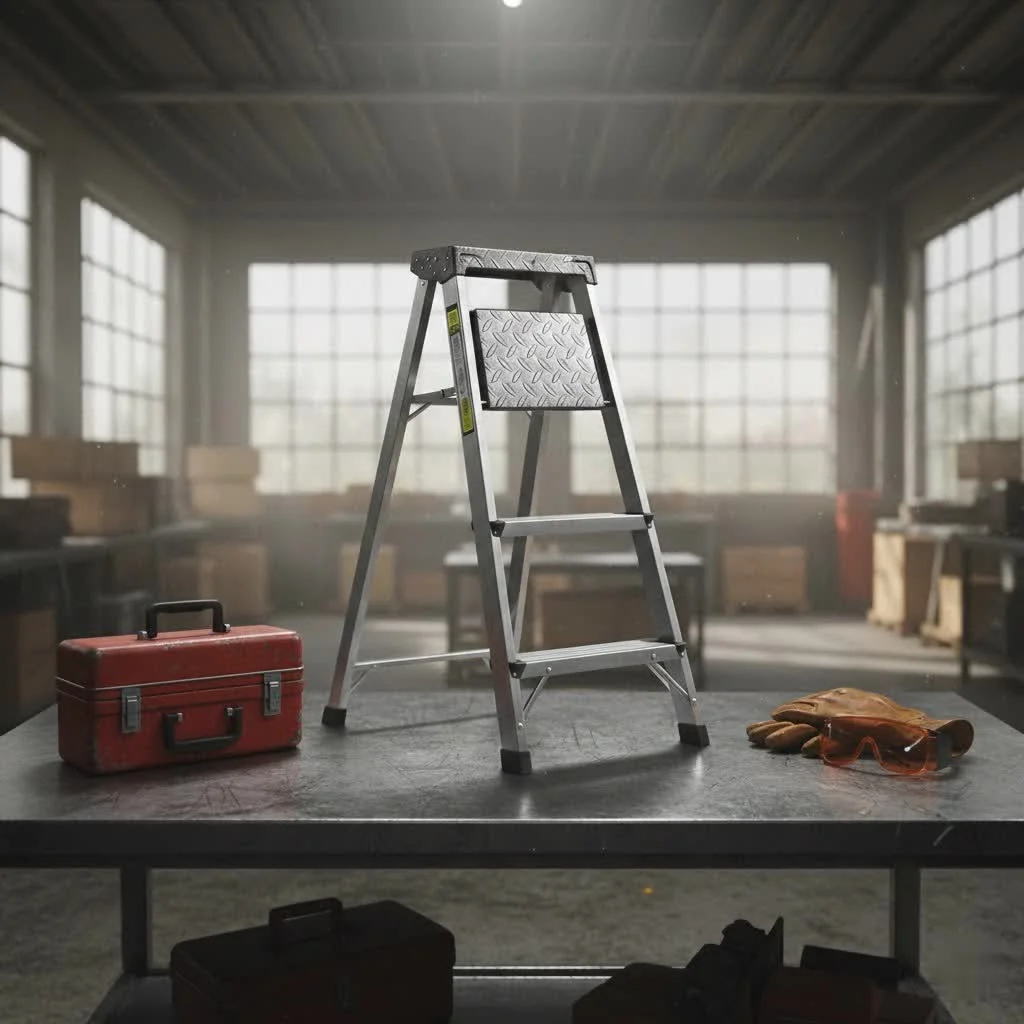
Common Types of Step Ladders
Step ladders are designed for self-supporting use on flat surfaces, making them incredibly handy for both indoor and outdoor projects. While they all share the fundamental A-frame design, variations cater to specific needs, enhancing safety and utility.
Household Step Ladders
Household step ladders, typically ranging from two to six steps, are ideal for everyday tasks like changing light bulbs, reaching high shelves, or dusting. An 8-step ladder expands this capability, providing significantly more reach for higher ceilings and more extensive home improvement projects.
- Pros:
- Stability: The A-frame design offers inherent stability, eliminating the need to lean against a support surface.
- Portability: Generally lightweight and foldable, making them easy to move and store.
- Versatility: Suitable for a wide range of tasks where moderate to high reach is required within the home.
- Cons:
- Limited Reach: While an 8-step ladder offers good height, it may still be insufficient for extremely high ceilings or multi-story exterior work that requires an extension ladder.
- Footprint: Even when folded, larger step ladders require a certain amount of storage space.
- Practical Applications: An 8-step ladder is perfect for tasks such as painting high walls or ceilings, installing or cleaning ceiling fans, replacing smoke detector batteries, cleaning gutters on a single-story home, or accessing upper cabinet areas and tall shelving units.
Specialized Step Ladders
Beyond the standard A-frame, several specialized step ladder designs offer enhanced features for particular applications, from construction sites to meticulous crafting.
- Pros:
- Increased Safety: Many specialized ladders include features like larger platforms, safety rails, or non-slip designs, boosting user confidence and reducing accident risk.
- Enhanced Functionality: Designs like multi-position or platform ladders offer greater adaptability for diverse work environments and tasks.
- Durability: Professional-grade specialized ladders often boast superior construction and materials for rigorous use.
- Cons:
- Higher Cost: Specialty ladders typically come with a higher price tag due to advanced features and robust construction.
- Weight and Bulk: Some specialized models, especially those designed for heavy-duty use or with added features, can be heavier and less compact for storage.
- Applications in Industry and Construction:
- Platform Ladders: These feature a broad standing surface with a safety rail, allowing for comfortable, prolonged work at a fixed height and the ability to work facing any direction. They are excellent for tasks like detailed painting, electrical work, or staging items in a warehouse.
- Twin-Step Ladders: With steps on both sides of the A-frame, these allow two individuals to use the ladder simultaneously, perfect for collaborative projects like large-scale decorating or scaffolding support.
- Telescoping Step Ladders: These combine the A-frame design with adjustable, collapsible sections, making them highly versatile for use on uneven surfaces like stairs and compact for storage.
Comparing Step Ladder Materials
The material of your 8-step ladder significantly impacts its weight, durability, and suitability for various tasks, especially concerning electrical safety.
Aluminum Step Ladders
|
Our Picks for the Best Step Ladder in 2026
As an Amazon Associate I earn from qualifying purchases.
|
||
| Num | Product | Action |
|---|---|---|
| 1 | HBTower 3 Step Ladder, 3 Step Stool for Adults, 3 Step Ladder Folding Step Stool with Cushioned Handle Step Ladder with Wide Pedal Ergonomic Design,Black |

|
| 2 | HBTower Step Ladder,Lightweight Aluminum Folding Step Stool with Anti-Slip Wide Pedal,330lbs Capacity Step Ladder-Black |
|
| 3 | HBTower 2 Step Ladder, Step Stool for Adults,2 Step Ladder Folding Step Stool with Wide Pedal Ergonomic Design |
|
| 4 | HBtower 2 Step Ladder, Step Stool with Wide Anti-Slip Pedal, Step Ladder Folding Step Stool for Adults, Lightweight Steel Portable ladders for Home Kitchen |
|
| 5 | HBTower 3 Step Ladder Folding Step Stool, 330 Lbs Capacity Step Stool for Adults, Closet Step Stool Ladder with Anti-Slip Wide Pedals Household Office, White |
|
| 6 | 3 Step Ladder, Portable Folding Ladder for Multi-Purpose, Home, Kitchen, Heavy Sturdy Steel Step Stool with Handrail, Anti-Slip Wide Pedals, Safe-Lock Design, Pass 500lbs Load Testing, Black |
|
| 7 | 2 Step Ladder, Portable Steel Folding Step Stool with Wide Anti-Slip Pedal & Convenient Handgrip, 500lbs Sturdy Steel Ladder, Black |
|
| 8 | GameGem 3 Step Ladder, Folding Step Stool with Wider Pedal, Anti-Slip Feet & Non Slip Stripes, Aluminum Sturdy Material, 300Lbs Capacity, Elegant Look of Cream Chocolate Better Matches Your Home |
|
| 9 | HBTower 2 Step Ladder,2 Step Stool for Adults Folding Step Stool with Cushioned Handle with Wide Anti-Slip Pedal Ergonomic Design |
|
| 10 | HBTower Step Ladder,Lightweight Aluminum Folding Step Stool with Anti-Slip Wide Pedal,330lbs Capacity Step Ladder for Household,Kitchen,Office - BlackWoodgrain |
|
Aluminum ladders are a popular choice due to their lightweight nature and excellent corrosion resistance.
- Advantages:
- Lightweight: Easy to carry, maneuver, and transport around your home or job site.
- Corrosion-Resistant: Ideal for outdoor use without concern for rust.
- Cost-Effective: Often more affordable than fiberglass alternatives.
- Disadvantages:
- Electrical Conductivity: Aluminum conducts electricity, making it extremely hazardous for use near power lines or electrical wiring. This is a critical safety consideration.
- Price Range: An 8-foot aluminum step ladder generally starts around $150.
Fiberglass Step Ladders
Fiberglass ladders are the professional’s choice, particularly when working in environments where electrical hazards might be present.
- Advantages:
- Non-Conductive: Fiberglass does not conduct electricity when dry, making it safe for use near electrical wiring or power lines. This is a primary safety benefit.
- Durability and Weather Resistance: Highly resistant to weather elements, rust, and corrosion, ensuring a longer lifespan. They are also flame-resistant.
- Increased Stability: Often heavier than aluminum, contributing to a more stable feel when working at height.
- Disadvantages:
- Heavier: Can be more challenging to move and transport compared to aluminum ladders.
- Higher Cost: Generally more expensive due to their superior safety features and durability.
- Price Range: An 8-foot fiberglass step ladder typically starts around $180 and goes up depending on duty rating and features.
“When selecting a ladder, always prioritize safety. Fiberglass is the clear choice for any task involving electricity, while aluminum offers lightweight convenience for general home use away from power sources.”
Choosing the Right 8-Step Ladder (Buying Guide)
Selecting the ideal 8-step ladder involves balancing your specific needs with key features and safety considerations. Here’s what to look for:
Essential Factors to Consider
- Height and Reach: An 8-foot step ladder typically provides a safe working reach of approximately 12 feet, assuming a 5-and-a-half-foot user with a one-foot vertical reach. Always ensure the ladder’s height is appropriate for your highest intended reach, allowing you to stand no higher than two steps down from the top.
- Material: As discussed, choose between aluminum for lightweight general use (away from electricity) or fiberglass for superior durability and electrical safety.
- Duty Rating (Load Capacity): This indicates the maximum weight a ladder can safely support, including your weight plus tools and materials.
- Type III (Light Duty): 200 lbs – for very light household tasks.
- Type II (Medium Duty): 225 lbs – suitable for painters and handymen, simple projects.
- Type I (Heavy Duty): 250 lbs – handles most general industrial jobs.
- Type IA (Extra Heavy Duty): 300 lbs – designed for professional use and heavy-duty tasks.
- Type IAA (Super Duty): 375 lbs – maximum durability for demanding professional or home use.
For an 8-step ladder, a Type I (250 lbs) or Type IA (300 lbs) rating is often recommended to ensure ample capacity for you and your tools.
- Safety Features:
- Non-Slip Treads/Steps: Essential for secure footing, especially when climbing or descending.
- Reinforced Platform/Top: Provides a stable working surface and often includes tool holders or trays for convenience.
- Secure Locking Mechanisms: Ensure the ladder’s spreaders (for A-frame) or adjustable sections lock firmly in place.
- Flared Base: A wider base enhances stability, especially on slightly uneven surfaces.
- Portability and Storage: Consider the ladder’s weight and how easily it folds for storage. If you have limited space, a more compact folding design is beneficial.
Expert Advice for Your Purchase
- Match to Purpose: Always select a ladder that is purpose-built for the job at hand. An 8-step ladder is ideal for indoor projects with higher ceilings and single-story outdoor work but might be overkill for quick low-reach tasks or insufficient for very high multi-story exterior jobs.
- Inspect Before Buying: If possible, test the ladder in-store. Check for rigidity, secure locking mechanisms, and comfortable steps.
- Proper Maintenance: Store your ladder in a dry, protected area. Leave wooden ladders unpainted to easily spot defects. Regularly inspect for loose rungs, cracks, dents, or sharp edges, and never use a damaged ladder.
Top 8-Step Ladders for Home and Professional Use
Many reputable brands offer excellent 8-step ladder options. Here are some models and brands frequently praised for quality and performance:
DeWalt 8 Foot Fiberglass Step Ladder
- Highlights: Often cited as a “best overall” pick, this ladder is lauded for its exceptional stability and durable fiberglass construction. It’s a non-conductive option, making it safe for electrical work, and frequently includes a magnetic tool top tray for convenience.
- User Reviews: Users appreciate its robust build and the secure feeling it provides even at its full height.
Werner Ladders (Various 8-foot models)
- Highlights: Werner is a well-established brand known for manufacturing durable ladders that withstand heavy use. Their 8-foot fiberglass and aluminum step ladders are popular choices for both professionals and homeowners, often praised for their longevity and reliable performance.
- User Reviews: Many users consider Werner ladders a “go-to” for various situations, highlighting their durability even after years of use.
Louisville Ladder (e.g., Cross-Step series in similar heights)
- Highlights: Louisville Ladder’s offerings, such as their Cross-Step series, often feature innovative designs with tool slots, magnets, and pail shelves built into the top. Their construction emphasizes stability with slip-resistant footing, steel gusset bracing, and pinch-resistant spreader braces.
- User Reviews: Users often note the secure feel and useful features that help keep tools organized and reduce trips up and down the ladder.
Gorilla Ladders (Multi-position options that can configure as 8-foot step ladders)
- Highlights: While Gorilla Ladders are known for their multi-position versatility, models that can configure into an 8-foot A-frame are praised for their rigidity and relatively lightweight design for their size.
- User Reviews: Users appreciate their strong, secure feel and heavy-duty feet for grip on various surfaces.
Conclusion
An 8-step ladder is a true workhorse, offering the perfect balance of height and stability for a multitude of household and professional tasks. By carefully considering factors such as material (fiberglass for electrical safety, aluminum for lightweight use), duty rating, and integrated safety features, you can select a ladder that not only meets your immediate needs but also provides years of safe and reliable service. Investing in the right 8-step ladder is an investment in your safety and efficiency, transforming how you approach tasks that require a higher reach.
What high-up project are you excited to tackle next with your new 8-step ladder?
Frequently Asked Questions
What is the typical reach height of an 8-step ladder?
An 8-step ladder typically provides a safe working reach of around 12 feet for an average-height individual, allowing you to comfortably work on tasks like painting high ceilings or accessing tall fixtures.
Should I choose an aluminum or fiberglass 8-step ladder?
Choose fiberglass if you will be working near electricity, as it is non-conductive and safer. For general home use away from electrical sources, a lighter and often more affordable aluminum 8-step ladder can be a good choice.
What duty rating should an 8-step ladder have for home use?
For most home uses, a Type I (250 lbs) or Type IA (300 lbs) duty rating is recommended for an 8-step ladder, ensuring it can safely support your weight plus tools and materials for various projects.
Can an 8-step ladder be used outdoors?
Yes, an 8-step ladder can be used outdoors for tasks such as cleaning single-story gutters or exterior painting, provided it is placed on a solid, level surface and not used in high winds or wet conditions.
What are essential safety features to look for in an 8-step ladder?
Key safety features include non-slip steps, reinforced platforms, secure locking mechanisms for stability, and a suitable duty rating that accounts for the combined weight of the user and materials.
Get our weekly buyer guide
Practical specs, not advice. Unsubscribe anytime.
