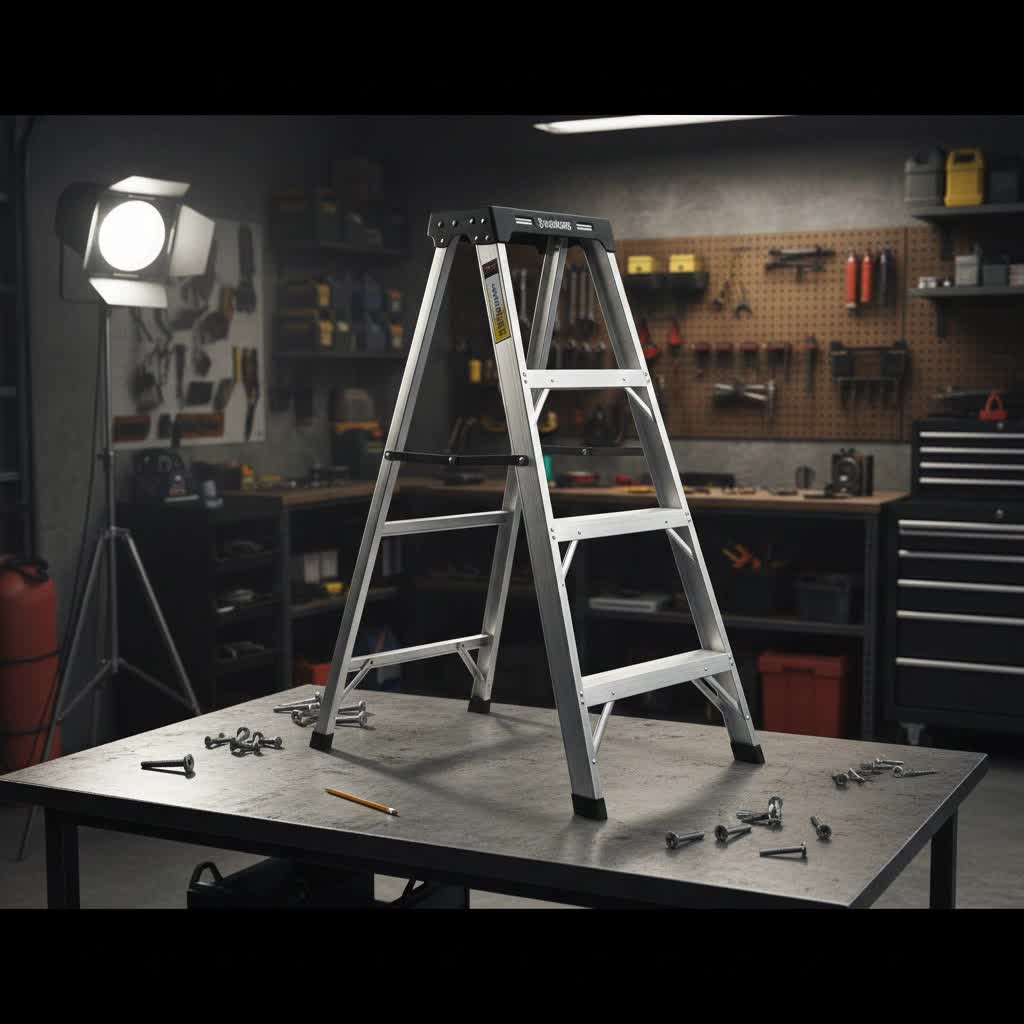
Navigating tasks that demand extra reach and robust support can be daunting, but with the right heavy-duty step ladder, you can tackle any project with confidence and safety. From intricate home repairs to demanding industrial applications, selecting a step ladder designed for strength and stability is paramount. This comprehensive guide will illuminate what defines a heavy-duty step ladder, explore different types, detail essential buying considerations, and offer expert tips to ensure you choose and use the perfect tool for your needs.
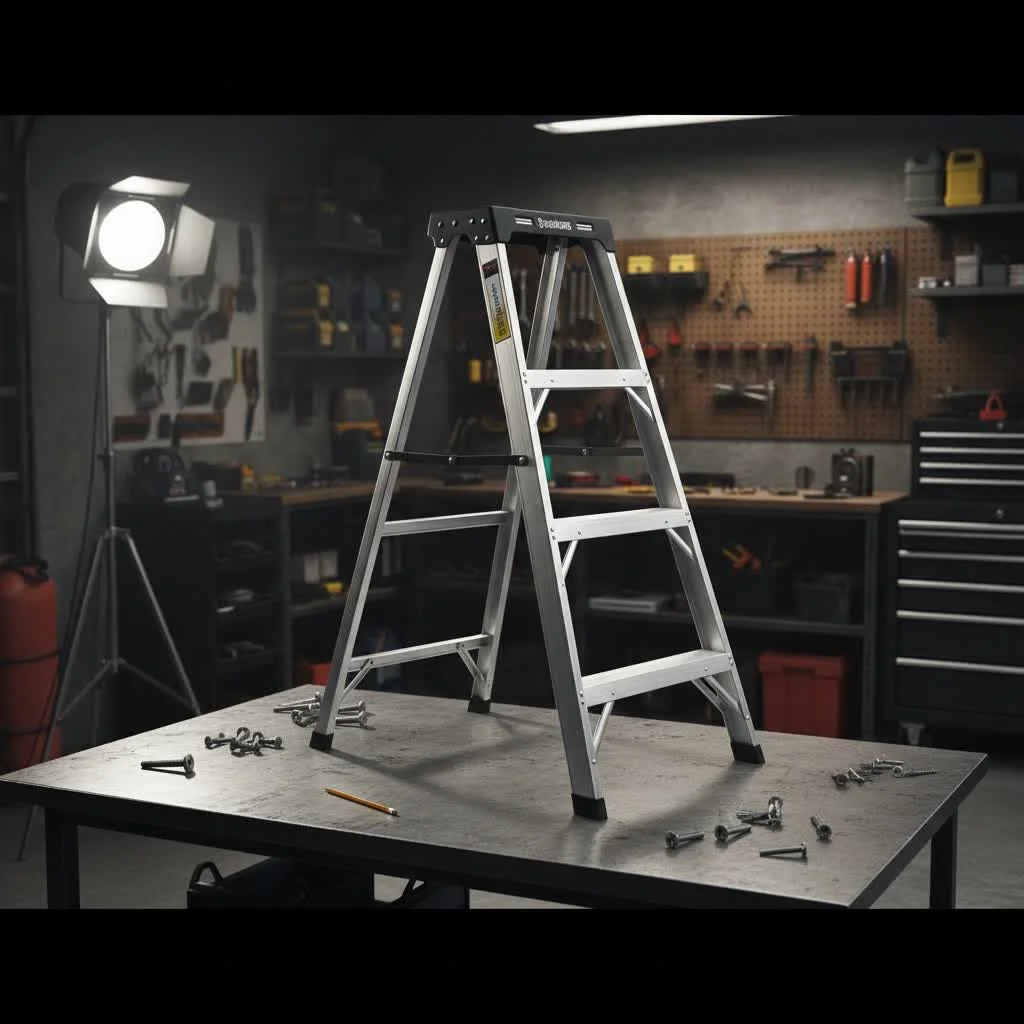
Understanding Heavy-Duty Step Ladders
A heavy-duty step ladder isn’t just a bigger version of a standard household ladder; it’s engineered for superior strength, durability, and safety under substantial loads and challenging conditions. These ladders are indispensable for professionals and serious DIYers who require unwavering support for themselves, heavy tools, and materials.
What truly defines “heavy-duty” in step ladders is their Duty Rating, a classification established by standards organizations like the American National Standards Institute (ANSI) and the Canadian Standards Association (CSA). These ratings indicate the maximum weight a ladder can safely support, which includes the user’s weight, tools, and any materials being carried.
- Type I (Heavy Duty): Rated for 250 pounds, suitable for industrial use.
- Type IA (Extra-Heavy Duty): Rated for 300 pounds, ideal for professional and industrial construction.
- Type IAA (Super-Heavy Duty): Rated for 375 pounds, designed for super-heavy-duty industrial applications and maintenance.
Beyond these standard ratings, some manufacturers offer models with even higher capacities, reaching up to 500 pounds, providing exceptional support for the most demanding jobs. Choosing a heavy-duty step ladder means prioritizing enhanced safety and a longer service life, making it a wise investment for frequent, rigorous use.
Types of Heavy-Duty Step Ladders
The world of heavy-duty step ladders offers a variety of designs, each tailored for specific tasks and environments. Understanding these types will help you pinpoint the best fit for your projects.
Standard A-Frame Heavy-Duty Step Ladders
These are the quintessential self-supporting ladders, easily recognizable by their A-frame design. Heavy-duty versions feature reinforced construction, wider steps, and robust locking mechanisms. They are a go-to for general tasks requiring moderate height, offering excellent stability on flat, even surfaces. They are a staple on professional job sites for their straightforward utility and reliability.
- Pros: Highly stable, versatile for common tasks, readily available in various heights.
- Cons: Fixed design limits adaptability on uneven ground, may not offer extensive platform space.
Heavy-Duty Platform Ladders
Platform ladders elevate the concept of stability by featuring a large, secure standing platform at the top instead of a final step. This platform often includes a guardrail, providing a much safer and more comfortable workspace for extended periods. They are especially beneficial for tasks like painting, installing fixtures, or any job that requires hands-free operation and the ability to work in multiple directions without repositioning.
- Pros: Unmatched stability and comfort for prolonged work, allows for multi-directional movement, often includes tool trays.
- Cons: Can be bulkier and heavier than standard step ladders, less compact for storage.
Heavy-Duty Multi-Position/Articulating Ladders
|
Our Picks for the Best Step Ladder in 2026
As an Amazon Associate I earn from qualifying purchases.
|
||
| Num | Product | Action |
|---|---|---|
| 1 | GameGem 3 Step Ladder, Folding Step Stool with Wider Pedal, Anti-Slip Feet & Non Slip Stripes, Aluminum Sturdy Material, 300Lbs Capacity, Elegant Look of Cream Chocolate Better Matches Your Home |

|
| 2 | 2 Step Ladder, Portable Steel Folding Step Stool with Wide Anti-Slip Pedal & Convenient Handgrip, 500lbs Sturdy Steel Ladder, Black |
|
| 3 | HBTower 2 Step Ladder,2 Step Stool for Adults Folding Step Stool with Cushioned Handle with Wide Anti-Slip Pedal Ergonomic Design |
|
| 4 | HBTower 2 Step Ladder, Step Stool for Adults,2 Step Ladder Folding Step Stool with Wide Pedal Ergonomic Design |
|
| 5 | HBTower Step Ladder,Lightweight Aluminum Folding Step Stool with Anti-Slip Wide Pedal,330lbs Capacity Step Ladder-Black |
|
| 6 | HBTower Step Ladder,Lightweight Aluminum Folding Step Stool with Anti-Slip Wide Pedal,330lbs Capacity Step Ladder for Household,Kitchen,Office - BlackWoodgrain |
|
| 7 | HBtower 2 Step Ladder, Step Stool with Wide Anti-Slip Pedal, Step Ladder Folding Step Stool for Adults, Lightweight Steel Portable ladders for Home Kitchen |
|
| 8 | HBTower 3 Step Ladder Folding Step Stool, 330 Lbs Capacity Step Stool for Adults, Closet Step Stool Ladder with Anti-Slip Wide Pedals Household Office, White |
|
| 9 | 3 Step Ladder, Portable Folding Ladder for Multi-Purpose, Home, Kitchen, Heavy Sturdy Steel Step Stool with Handrail, Anti-Slip Wide Pedals, Safe-Lock Design, Pass 500lbs Load Testing, Black |
|
| 10 | HBTower 3 Step Ladder, 3 Step Stool for Adults, 3 Step Ladder Folding Step Stool with Cushioned Handle Step Ladder with Wide Pedal Ergonomic Design,Black |
|
For the ultimate in versatility, multi-position ladders transform into several configurations, including A-frame, extension, staircase, and even scaffolding. Crafted from robust materials, typically aerospace-grade aluminum, heavy-duty multi-position ladders are engineered to handle diverse tasks and challenging terrains, such as stairwells or uneven ground. Their ability to adapt makes them a favorite for professionals who face a wide array of job site demands.
- Pros: Extremely versatile, space-saving (one ladder for many jobs), adaptable to uneven surfaces.
- Cons: Can be heavier to maneuver, more complex to set up and adjust.
Twin Step Heavy-Duty Ladders
Twin step ladders are unique in that they allow access from both sides, featuring steps on two opposing rails. This design is particularly advantageous when two people need to work simultaneously or when tasks require frequent climbing and descending from either direction. When using a twin step ladder, it’s crucial to consider the combined weight of both users and their tools to ensure it remains within the ladder’s duty rating.
- Pros: Increased efficiency for two-person jobs, convenient access.
- Cons: Requires careful attention to combined weight capacity, typically wider than single-sided models.
Key Factors When Choosing Your Heavy-Duty Step Ladder
Selecting the right heavy-duty step ladder involves more than just picking the tallest one. A thoughtful approach considers several critical factors to ensure safety, efficiency, and longevity.
Weight Capacity and Duty Rating
As discussed, the duty rating is your primary indicator of a ladder’s strength. Always choose a ladder with a capacity that comfortably exceeds the combined weight of yourself, your tools, and any materials you’ll be handling. This is a non-negotiable safety requirement to prevent structural failure and potential accidents.
Material Matters: Aluminum vs. Fiberglass vs. Steel
The material composition significantly impacts a heavy-duty step ladder’s characteristics and suitability for different tasks.
- Fiberglass: Renowned for being non-conductive, fiberglass ladders are the safest choice when working near electrical sources. They are typically heavier than aluminum but offer exceptional durability and resistance to weather, making them ideal for outdoor and industrial environments.
- Aluminum: Known for being lightweight and rust-resistant, aluminum heavy-duty ladders are easier to transport and maneuver. High-grade aluminum alloys can provide impressive strength-to-weight ratios, making them excellent for tasks where portability is key.
- Steel: While less common for full-size step ladders, heavy-duty steel step stools or compact ladders offer very high weight capacities. They are exceptionally strong but can be considerably heavier and susceptible to rust if not properly maintained.
Height and Reach
Determining the correct ladder height is crucial for safety. A general rule of thumb for step ladders is to ensure you can reach your working height comfortably without standing on the top two steps or platform. Overreaching is a common cause of accidents. Consider the “working height,” which is typically about 4 feet higher than the ladder’s actual height, assuming a user’s average vertical reach.
Essential Safety Features
Heavy-duty step ladders come equipped with features designed to maximize user safety. Look for:
- Slip-resistant steps and feet: These provide secure footing and prevent the ladder from sliding, especially on smooth or wet surfaces.
- Wide bases and sturdy spreader braces: These enhance overall stability, preventing wobbling or accidental collapse.
- Robust locking mechanisms: Critical for multi-position ladders to ensure they are securely fixed in each configuration.
- Tool trays and reinforced tops: Keep your tools organized and within reach, reducing the need to climb up and down. Some reinforced tops are designed to withstand heavy tools without deforming.
- Impact absorption systems: Advanced features in some models that protect the ladder from damage during use or transport.
Portability and Storage
While heavy-duty implies robustness, modern designs also consider practicality. Look for folding designs that allow for easier storage in garages or workshops. The overall weight of the ladder, influenced by its material, will determine its portability. If you frequently move your ladder between job sites, a lighter aluminum option might be preferable.
Top Heavy-Duty Step Ladders on the Market
Several reputable brands consistently deliver high-quality heavy-duty step ladders that professionals trust. Brands like DeWalt, Louisville Ladder, Werner, Little Giant, and Gorilla Ladders are known for their robust construction and innovative safety features.
Many popular heavy-duty models boast features such as extra-deep steps for comfortable footing, reinforced top caps with integrated tool slots and magnetic strips to keep fasteners handy, and heavy-duty boots with non-marring treads for maximum slip resistance. For instance, certain DeWalt fiberglass step ladders are rated for an impressive 500-pound load capacity, surpassing standard Type IAA ratings, making them suitable for the most demanding tasks. Louisville Ladder offers twin step fiberglass models with 375-pound ratings, providing a reliable solution for two-person jobs. Similarly, brands like HBTower also offer heavy-duty steel options with high weight limits, ideal for robust household or light commercial use.
These leading brands continually innovate to provide durable, safe, and user-friendly heavy-duty step ladders, ensuring you can find a model perfectly suited to your specific requirements.
Expert Tips for Safe Heavy-Duty Step Ladder Use
Even the most robust heavy-duty step ladder requires proper usage and maintenance to ensure safety and longevity.
- Pre-Use Inspection: Before every use, thoroughly inspect your ladder. Check for any cracks, dents, loose rivets, defective braces, or worn slip-resistant feet. Ensure all locking mechanisms are fully engaged and functional.
- Proper Setup: Always place your heavy-duty step ladder on a firm, level, and non-slippery surface. Ensure all four feet are making solid contact with the ground. For A-frame ladders, fully open the spreaders and lock them into place.
- Maintain Three Points of Contact: When climbing up or down, or while working on the ladder, always maintain three points of contact (two hands and one foot, or two feet and one hand). Keep your body centered between the side rails to prevent imbalance.
- Avoid Overreaching: Never lean too far to the side or extend your reach beyond the ladder’s rails. Instead, descend and reposition the ladder closer to your work area.
- Respect Weight Capacity: Never exceed the ladder’s stated duty rating. this includes your weight plus all tools and materials. Overloading can compromise the ladder’s structural integrity.
- Proper Storage and Maintenance: Store your heavy-duty step ladder in a dry, cool place, away from harsh elements that could cause corrosion or material degradation. Clean it regularly to remove dirt, grease, or slippery substances that could lead to falls.
“A heavy-duty step ladder is a powerful tool, but its strength is only as effective as the safety practices of its user. Always prioritize inspection and proper setup.” – John Smith, Senior Safety Engineer
Conclusion
Choosing the right heavy-duty step ladder is a critical decision that impacts your safety, efficiency, and the successful completion of your projects. By understanding duty ratings, material benefits, various types, and crucial safety features, you can make an informed choice that matches your demanding work requirements. Investing in a high-quality heavy-duty step ladder means investing in a reliable partner that will support you through countless tasks, ensuring you always reach new heights with confidence.
What heavy-duty tasks are you planning to tackle next, and which features will be most important for your ideal step ladder?
Frequently Asked Questions
What does “heavy-duty” mean for a step ladder?
For a step ladder, “heavy-duty” typically refers to its ANSI/CSA duty rating, signifying its maximum load capacity. Heavy-duty ladders are rated Type I (250 lbs), Type IA (300 lbs), or Type IAA (375 lbs), meaning they are built with stronger materials and construction to safely support greater weights, including the user and tools.
What is the best material for a heavy-duty step ladder?
The “best” material depends on the task. Fiberglass is ideal for electrical work due to its non-conductive properties and high durability. Aluminum offers a great balance of strength and lightness, making it excellent for portability. Steel can provide exceptionally high weight capacities, often for smaller, very robust step stools.
Can two people use a heavy-duty step ladder?
Some heavy-duty step ladders, specifically “twin step ladders,” are designed for two people to use simultaneously, providing access from both sides. However, it is crucial to ensure that the combined weight of both users and their tools does not exceed the ladder’s stated duty rating to maintain safety.
How do I know what height heavy-duty step ladder to buy?
To determine the correct height, consider your “working height,” which is generally 4 feet higher than the ladder’s top step. You should be able to reach your work area comfortably without standing on the top two steps or overreaching. Always ensure the ladder provides enough height for your tasks without compromising safety.
What are the most important safety features to look for?
Essential safety features for a heavy-duty step ladder include non-slip steps and feet, a wide and stable base, robust locking mechanisms, and sturdy spreader braces. Additional features like reinforced top caps for tools and impact absorption systems further enhance safety and durability.
Get our weekly buyer guide
Practical specs, not advice. Unsubscribe anytime.
