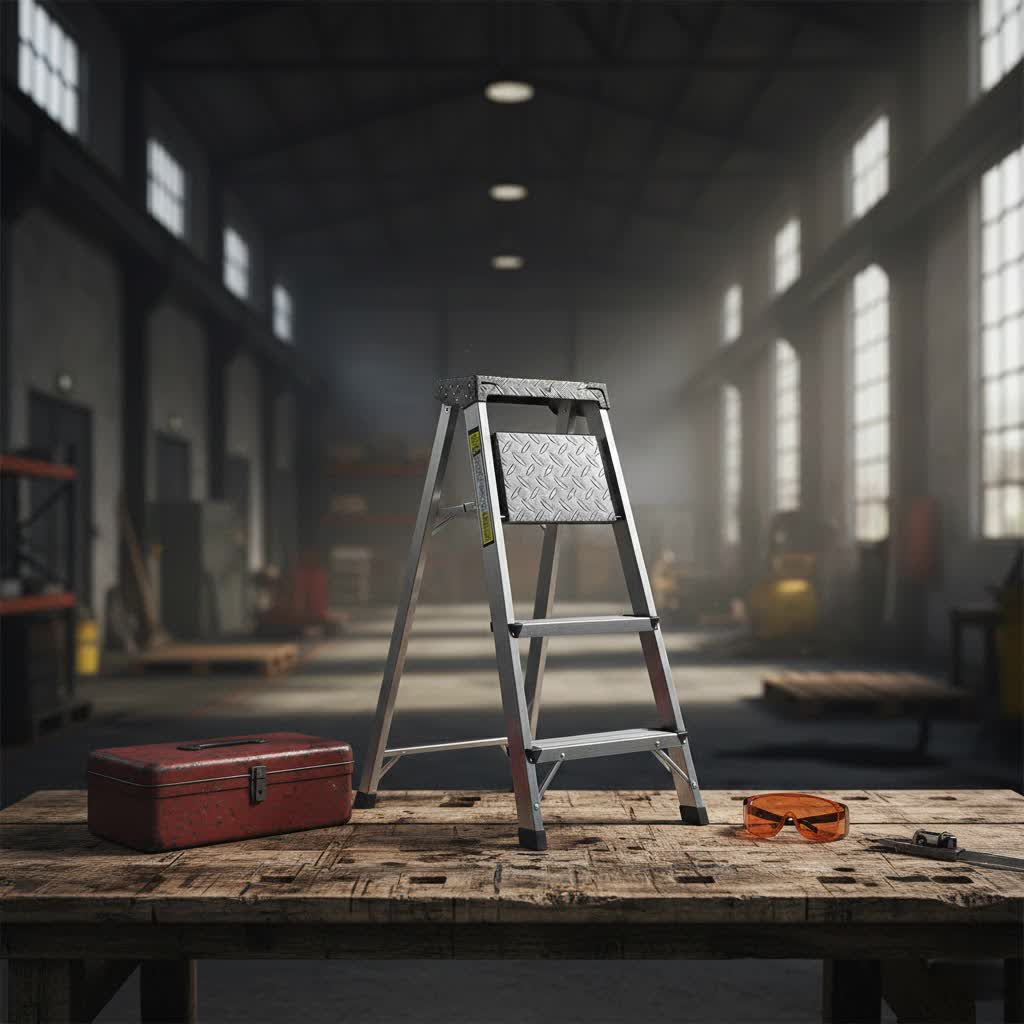
Stepping up to tackle tasks around the house shouldn’t feel like a heavy burden. Whether you’re reaching for that elusive item on a high shelf, changing a flickering lightbulb, or putting the finishing touches on a DIY project, having the right tool makes all the difference. That’s where a light step ladder comes into play – a versatile, portable, and essential piece of equipment designed to make those elevated jobs safe and easy. But with so many options available, how do you choose the one that perfectly fits your needs and lifestyle?
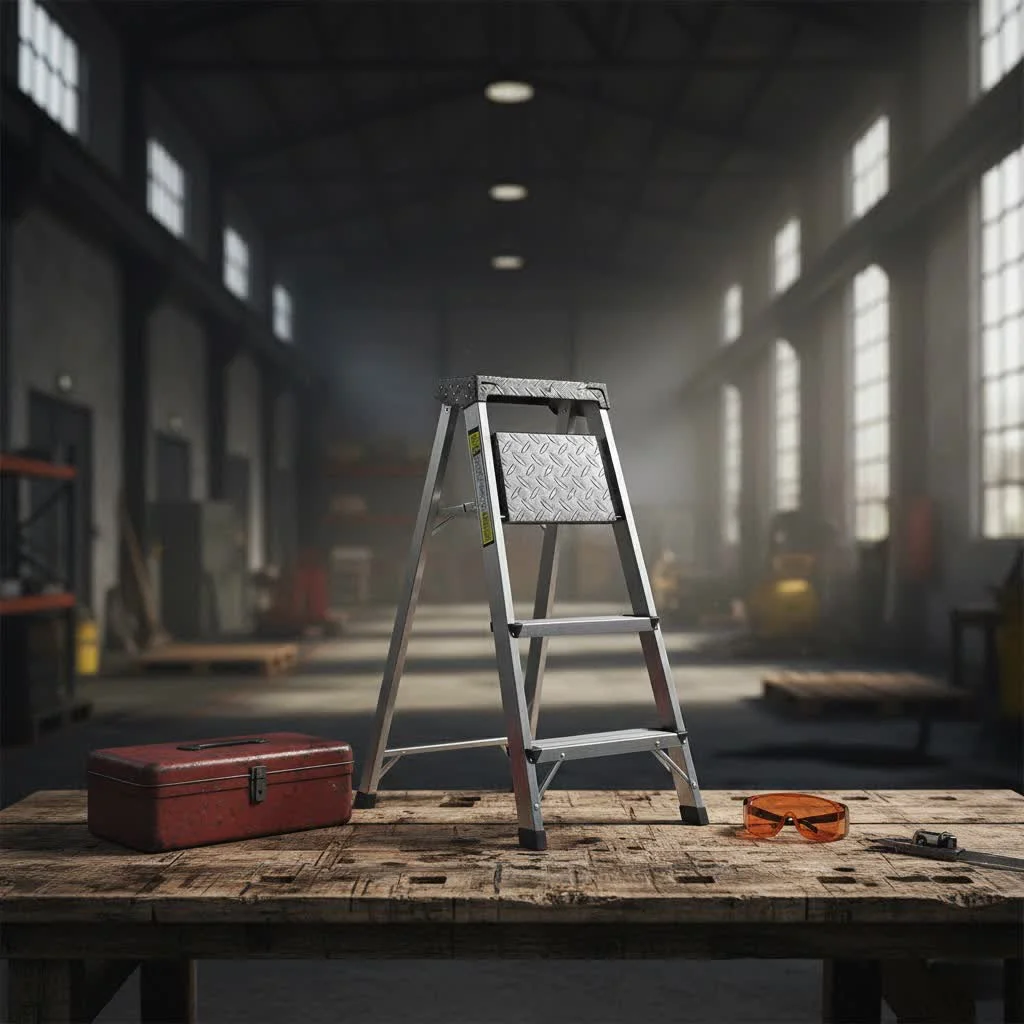
This comprehensive guide will help you navigate the world of light step ladders, from understanding their core advantages to selecting the ideal model for your specific tasks and budget. Get ready to discover how a lightweight, sturdy step ladder can revolutionize your approach to everyday home maintenance and beyond. For home buying guides on this site.
What Makes a Step Ladder “Light” and Why It Matters
The term “light step ladder” refers to models specifically engineered for ease of movement, transport, and storage without compromising on stability and safety. The primary factors contributing to a ladder’s lightness are its material and design.
Materials: Aluminum vs. Fiberglass
The choice of material is paramount when considering a light step ladder, impacting both its weight and suitability for different tasks.
Aluminum Step Ladders
Aluminum is the go-to material for lightweight step ladders, and for good reason.
- Pros: Aluminum ladders are significantly lighter, often weighing as much as 25% less than their fiberglass counterparts of the same size. This makes them exceptionally easy to carry from room to room or even out to the garage. They are also cost-effective and naturally resistant to corrosion, making them a durable choice for general use.
- Cons: The main drawback of aluminum is its conductivity. It conducts electricity, meaning an aluminum ladder should never be used for electrical work or near live power lines due to the risk of severe injury.
Fiberglass Step Ladders
While generally not categorized as “light,” it’s important to understand fiberglass in contrast to aluminum.
- Pros: Fiberglass ladders are non-conductive when clean and dry, making them the safest option for tasks involving electricity. They are also known for their strength, rigidity, and resistance to weather and chemicals, making them ideal for heavy-duty and outdoor professional use.
- Cons: The primary disadvantage for those seeking a “light” ladder is weight. Fiberglass ladders are notably heavier than aluminum ones, which can make them cumbersome for frequent household use or if you need to move them around often.
For a true “light step ladder” experience, aluminum is typically the preferred material for household and general DIY tasks where electrical hazards are not present.
Design and Portability
|
Our Picks for the Best Step Ladder in 2026
As an Amazon Associate I earn from qualifying purchases.
|
||
| Num | Product | Action |
|---|---|---|
| 1 | HBTower Step Ladder,Lightweight Aluminum Folding Step Stool with Anti-Slip Wide Pedal,330lbs Capacity Step Ladder-Black |

|
| 2 | GameGem 3 Step Ladder, Folding Step Stool with Wider Pedal, Anti-Slip Feet & Non Slip Stripes, Aluminum Sturdy Material, 300Lbs Capacity, Elegant Look of Cream Chocolate Better Matches Your Home |
|
| 3 | HBTower 2 Step Ladder,2 Step Stool for Adults Folding Step Stool with Cushioned Handle with Wide Anti-Slip Pedal Ergonomic Design |
|
| 4 | HBTower 3 Step Ladder Folding Step Stool, 330 Lbs Capacity Step Stool for Adults, Closet Step Stool Ladder with Anti-Slip Wide Pedals Household Office, White |
|
| 5 | 2 Step Ladder, Portable Steel Folding Step Stool with Wide Anti-Slip Pedal & Convenient Handgrip, 500lbs Sturdy Steel Ladder, Black |
|
| 6 | HBTower 2 Step Ladder, Step Stool for Adults,2 Step Ladder Folding Step Stool with Wide Pedal Ergonomic Design |
|
| 7 | HBTower Step Ladder,Lightweight Aluminum Folding Step Stool with Anti-Slip Wide Pedal,330lbs Capacity Step Ladder for Household,Kitchen,Office - BlackWoodgrain |
|
| 8 | HBTower 3 Step Ladder, 3 Step Stool for Adults, 3 Step Ladder Folding Step Stool with Cushioned Handle Step Ladder with Wide Pedal Ergonomic Design,Black |
|
| 9 | HBtower 2 Step Ladder, Step Stool with Wide Anti-Slip Pedal, Step Ladder Folding Step Stool for Adults, Lightweight Steel Portable ladders for Home Kitchen |
|
| 10 | 3 Step Ladder, Portable Folding Ladder for Multi-Purpose, Home, Kitchen, Heavy Sturdy Steel Step Stool with Handrail, Anti-Slip Wide Pedals, Safe-Lock Design, Pass 500lbs Load Testing, Black |
|
Beyond material, the design significantly contributes to a step ladder’s lightness and user-friendliness.
- Folding Mechanisms: Most light step ladders feature easy-to-use folding mechanisms, allowing them to collapse into a slim profile. This design is crucial for portability and storage in tight spaces, such as closets, pantries, or small utility rooms.
- Slim Profile: An ultra-slim design ensures the ladder takes up minimal space when stored, making it an excellent choice for apartments, small homes, or anywhere space is at a premium.
- Number of Steps: Light step ladders typically come in 2-step, 3-step, or 4-step configurations, providing just enough height for common household needs without being overly bulky or heavy.
Types of Light Step Ladders for Every Home Task
While the core principle of a light step ladder is portability and ease of use, there are subtle variations catering to different home and DIY scenarios.
Household Step Ladders
These are the most common light step ladders, designed for everyday tasks around the home.
- Characteristics: Typically 2 to 3 steps, often made of lightweight aluminum, with a focus on ultra-slim folding for easy storage. They might feature wide, comfortable steps and a simple top handle for stability.
- Applications: Perfect for changing light bulbs, reaching high kitchen cabinets, dusting ceiling fans, putting away laundry on top shelves, or small redecorating jobs. Their minimal weight means anyone can easily carry them.
General Purpose/DIY Light Step Ladders
A step up in versatility and sometimes height, these ladders are still lightweight but offer enhanced features for more involved projects.
- Characteristics: Often 3 to 4 steps, made from aluminum, but may include additional features like integrated tool trays, magnetic strips for fasteners, or multi-position functionality. Some might feature a larger top platform for extended standing comfort.
- Applications: Ideal for painting touch-ups, hanging pictures, minor repairs, gardening tasks, or light outdoor maintenance where a bit more height and convenience are appreciated. They balance lightweight design with enhanced utility.
The Ultimate Buying Guide: Choosing Your Perfect Light Step Ladder
Selecting the right light step ladder involves more than just picking the lightest option. Consider these crucial factors to ensure you get a ladder that’s safe, efficient, and durable for your needs.
1. Height and Reach
Before buying, determine the maximum height you need to reach. Remember, for safety, you should never stand on the very top step (unless it’s a dedicated platform step designed for standing) or the tool tray. As a general rule, your safe working height is typically about 4 feet higher than the ladder’s platform height.
- 2-Step Ladders: Ideal for reaching standard 8-foot ceilings, upper kitchen cabinets, or high closet shelves.
- 3-Step Ladders: Great for slightly higher tasks, like accessing the top of a bookshelf, changing smoke detector batteries, or working on exterior lights.
- 4-Step Ladders: Suitable for higher ceilings, detailed painting projects, or reaching into taller storage units.
2. Weight Capacity (Duty Rating)
Even light step ladders come with a duty rating that specifies the maximum weight they can safely support. This includes your body weight plus any tools or materials you’re carrying.
- Type III (Light Duty): Up to 200 lbs – Generally for very light household tasks.
- Type II (Medium Duty): Up to 225 lbs – Suitable for most household use and light commercial work.
- Type I (Heavy Duty): Up to 250 lbs – For heavy-duty household use and general professional work.
- Type IA (Extra-Heavy Duty): Up to 300 lbs – For demanding professional and industrial applications.
For most light step ladders intended for home use, a Type II or Type I rating is usually sufficient, offering a good balance of lightness and robust support.
3. Safety Features
Safety is paramount when working at any height. Look for these essential features:
- Non-Slip Feet: Rubberized or textured feet are crucial to prevent the ladder from sliding on various surfaces, including hardwood, tile, and concrete.
- Wide, Anti-Slip Steps: Steps should be generously sized to provide ample foot room and feature textured surfaces or anti-slip treads to prevent slips and falls. Platform-style top steps offer superior comfort and stability.
- Secure Locking Mechanism: The ladder should have a robust locking system that keeps it firmly in the open position during use and prevents accidental collapse.
- Handrails/Safety Rails: Some models incorporate tall handrails or safety rails, providing an extra point of contact and enhanced stability, especially for those who might feel less steady at height.
- Sturdy Construction: Even though it’s lightweight, the ladder should feel solid and not wobble when you climb it. Reinforced bracing adds to overall stability.
4. Storage and Portability
The essence of a “light” step ladder is its ease of storage and movement.
- Foldability: Ensure the ladder folds down easily and compactly. Check its folded dimensions to make sure it will fit in your intended storage space.
- Weight: Physically lift and carry the ladder if possible. It should be light enough for you to comfortably move it around the house without strain. Ladders weighing less than 10-15 pounds are typically considered very light.
5. Additional Features
While not essential, certain features can significantly enhance convenience:
- Tool Tray/Pail Shelf: A built-in tray or shelf at the top can hold tools, paint cans, or hardware, keeping them within easy reach and reducing trips up and down the ladder.
- Magnetic Strips: Handy for holding screws, nails, or small metal tools.
- Non-Marring Leg Tips: Protect your floors from scratches, a small but important detail for indoor use.
“A light step ladder isn’t just about weight; it’s about the freedom and confidence it gives you to tackle tasks that were once out of reach. Prioritize safety features, and the right lightweight ladder will become your most reliable partner around the home.” – Alex Johnson, Home Improvement Specialist
Conclusion
Choosing the right light step ladder is an investment in both efficiency and safety for your home. By considering the material (usually aluminum for lightness), necessary height, critical safety features, and ease of storage, you can find a ladder that perfectly complements your needs. A well-chosen light step ladder transforms those intimidating high-up tasks into simple, manageable chores, allowing you to maintain your home with confidence and ease.
Are you ready to elevate your home maintenance game with the perfect lightweight companion?
Frequently Asked Questions
How many steps should a light step ladder have for typical home use?
For most household tasks like changing light bulbs or reaching high shelves, a 2-step or 3-step light aluminum step ladder is usually ideal. It provides sufficient height without being cumbersome to move or store.
Can I use a light aluminum step ladder for electrical work?
No, it is strongly advised not to use an aluminum step ladder for electrical work or near live electrical wires. Aluminum conducts electricity, posing a serious safety risk. For such tasks, a fiberglass ladder is the only safe choice due to its non-conductive properties.
How do I store a light step ladder to maximize its lifespan?
To extend your light step ladder’s life, store it in a dry place, away from extreme temperatures and moisture. Ensure it is folded properly and kept in an upright position. Regularly clean it and inspect for any damage before and after each use to ensure it remains safe and functional.
Get our weekly buyer guide
Practical specs, not advice. Unsubscribe anytime.
