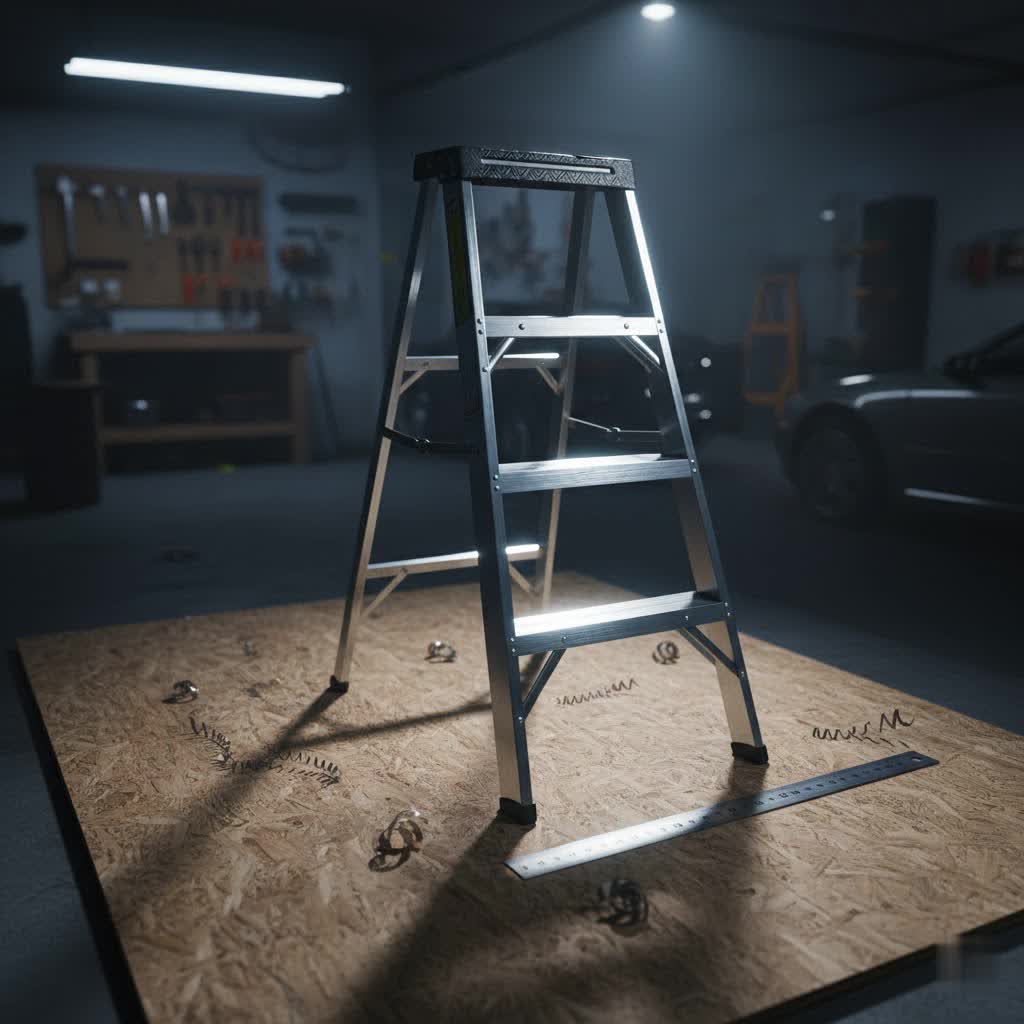
Navigating tasks around the house or on the job site often requires a reliable boost, but traditional ladders can be cumbersome and heavy. That’s where a lightweight step ladder becomes an indispensable tool. Designed for effortless portability and easy storage without compromising safety or stability, these ladders are revolutionizing how we approach everyday projects, from changing lightbulbs to reaching high shelves or even tackling professional work. If you’re tired of wrestling with bulky equipment, understanding the nuances of lightweight step ladders can transform your efficiency and make every task a breeze. This comprehensive guide will explore various types, crucial buying factors, and top models to help you find the perfect light-duty companion for your needs.

Popular Types of Lightweight Step Ladders
Lightweight step ladders come in various designs, each tailored to specific uses. Understanding the distinctions helps in choosing the right tool for the job, ensuring both efficiency and safety. For best home roundups on this site.
Household Step Ladders
These are the most common lightweight step ladders, designed for everyday domestic tasks. They prioritize ease of use, compact storage, and sufficient reach for indoor activities.
- Advantages:
- Portability: Extremely light, often weighing under 10-15 pounds, making them easy to carry from room to room.
- Compact Storage: Many models fold flat to a slim profile, allowing them to be stored in narrow spaces like closets or behind doors.
- User-Friendly: Simple to set up and take down, ideal for quick tasks.
- Non-Marring Feet: Typically come with rubber or plastic feet that protect indoor flooring.
- Disadvantages:
- Limited Height: Generally offer a smaller reach, suitable for standard ceiling heights or lower cabinets.
- Lower Weight Capacity: While sufficient for most individuals and light tools, their duty rating might be lower than professional models.
- Material Limitations: Often made of aluminum, which is lightweight but not suitable for electrical work.
- Practical Applications: Dusting high shelves, changing lightbulbs, reaching top kitchen cabinets, minor painting touch-ups, hanging decorations, or simply getting an extra boost for everyday chores.
Professional Lightweight Step Ladders
While often associated with heavier-duty construction, there’s a growing segment of professional step ladders designed to be lighter for easier transport on job sites without sacrificing strength or specialized features.
- Advantages:
- Enhanced Durability: Built with stronger materials like reinforced aluminum or fiberglass for increased longevity and resilience to job site conditions.
- Higher Duty Ratings: Can support more weight, accommodating users plus heavier tools and materials.
- Specialized Features: May include magnetic tool trays, larger platforms, non-conductive fiberglass for electrical work, or multi-position capabilities.
- Improved Stability: Often feature wider bases, heavy-duty hardware, and robust anti-slip feet for secure footing on diverse terrains.
- Disadvantages:
- Higher Cost: Generally more expensive due to advanced materials and construction.
- Slightly Heavier: While “lightweight” for their class, they might still be heavier than purely household models.
- Larger Footprint: Some multi-position or higher-reach models can be bulkier even when folded.
- Practical Applications: Electrical installations, painting walls and ceilings, minor construction work, HVAC maintenance, outdoor repair tasks, or any job requiring a stable, higher-capacity ladder that still needs to be moved frequently.
Key Factors When Choosing a Lightweight Step Ladder
Selecting the ideal lightweight step ladder involves considering several crucial elements to ensure it meets your specific requirements for safety, functionality, and convenience.
Material and Durability
|
Our Picks for the Best Step Ladder in 2026
As an Amazon Associate I earn from qualifying purchases.
|
||
| Num | Product | Action |
|---|---|---|
| 1 | HBTower 2 Step Ladder, Step Stool for Adults,2 Step Ladder Folding Step Stool with Wide Pedal Ergonomic Design |

|
| 2 | HBTower 2 Step Ladder,2 Step Stool for Adults Folding Step Stool with Cushioned Handle with Wide Anti-Slip Pedal Ergonomic Design |
|
| 3 | 2 Step Ladder, Portable Steel Folding Step Stool with Wide Anti-Slip Pedal & Convenient Handgrip, 500lbs Sturdy Steel Ladder, Black |
|
| 4 | HBTower Step Ladder,Lightweight Aluminum Folding Step Stool with Anti-Slip Wide Pedal,330lbs Capacity Step Ladder for Household,Kitchen,Office - BlackWoodgrain |
|
| 5 | HBTower 3 Step Ladder, 3 Step Stool for Adults, 3 Step Ladder Folding Step Stool with Cushioned Handle Step Ladder with Wide Pedal Ergonomic Design,Black |
|
| 6 | GameGem 3 Step Ladder, Folding Step Stool with Wider Pedal, Anti-Slip Feet & Non Slip Stripes, Aluminum Sturdy Material, 300Lbs Capacity, Elegant Look of Cream Chocolate Better Matches Your Home |
|
| 7 | 3 Step Ladder, Portable Folding Ladder for Multi-Purpose, Home, Kitchen, Heavy Sturdy Steel Step Stool with Handrail, Anti-Slip Wide Pedals, Safe-Lock Design, Pass 500lbs Load Testing, Black |
|
| 8 | HBTower Step Ladder,Lightweight Aluminum Folding Step Stool with Anti-Slip Wide Pedal,330lbs Capacity Step Ladder-Black |
|
| 9 | HBTower 3 Step Ladder Folding Step Stool, 330 Lbs Capacity Step Stool for Adults, Closet Step Stool Ladder with Anti-Slip Wide Pedals Household Office, White |
|
| 10 | HBtower 2 Step Ladder, Step Stool with Wide Anti-Slip Pedal, Step Ladder Folding Step Stool for Adults, Lightweight Steel Portable ladders for Home Kitchen |
|
The material dictates both the weight and the application suitability of a step ladder.
- Aluminum: This is the most common choice for lightweight step ladders. Aluminum is inherently light, corrosion-resistant, and strong. However, it’s a conductor of electricity, making aluminum ladders unsafe for tasks involving live wires or electrical components.
- Fiberglass: Fiberglass ladders are heavier than aluminum but are non-conductive, making them the safest option for electrical work. They are also highly durable, weather-resistant, and less prone to dents or dings than aluminum. Many modern fiberglass step ladders are engineered to be as lightweight as possible for their category.
- Steel: While typically heavier, some modern steel step ladders are designed with thinner profiles or strategic cutouts to reduce weight. Steel offers excellent durability and rigidity, often providing a very stable feel, though its weight usually restricts it to smaller, household-oriented models. Like aluminum, steel conducts electricity.
Weight and Portability
For a “lightweight” step ladder, this is paramount. The goal is easy maneuverability and minimal strain when carrying or repositioning.
- Actual Weight: Look for models weighing between 8 to 20 pounds for optimal portability. Anything above 25 pounds, while potentially still lighter than some heavy-duty alternatives, may start to feel cumbersome for frequent movement.
- Folding Mechanism: A good lightweight ladder should fold easily and compactly. Features like a slim folded profile (e.g., 1.6 to 4 inches thick) allow for storage in tight spaces.
- Integrated Handles: Some ladders include built-in carrying handles, enhancing portability and making transport more comfortable.
Height and Reach
Matching the ladder’s height to your intended tasks is critical for safety and effectiveness.
- Platform Height: This is the height of the top step or platform from the ground.
- Maximum Reach Height: As a general rule, a user’s maximum safe reach height is approximately 4 feet higher than the ladder’s platform height. For instance, a step ladder with a top step 2.5 feet (30 inches) high provides a comfortable reach of around 6.5 feet (78 inches). Consider the highest point you realistically need to reach and add your height to the platform height to estimate your maximum reach.
- Number of Steps: Common lightweight step ladders range from 2 to 4 steps, suitable for most household tasks. Taller models will naturally be heavier.
Safety Features
Never compromise on safety, even for a lightweight model.
- ANSI Certification and Duty Rating: Always check for ANSI (American National Standards Institute) certification. The duty rating indicates the maximum safe working load, including your weight plus any tools and materials.
- Type III (Light-Duty): 200 lbs
- Type II (Medium-Duty): 225 lbs
- Type I (Heavy-Duty): 250 lbs
- Type IA (Extra Heavy-Duty): 300 lbs
- Type IAA (Extra Heavy-Duty): 375 lbs
For most homeowners, a Type I or Type IA (250-300 lbs) rating offers a good balance of strength and versatility.
- Non-Slip Steps/Rungs: Wide, textured, or rubberized steps provide secure footing and reduce fatigue during prolonged use.
- Stable Feet: Non-marring rubber or plastic feet prevent slipping and protect floors. Articulating feet that adapt to uneven surfaces are an added bonus.
- Handrails: For extra stability and security, particularly for those who prefer more support, models with integrated handrails are highly beneficial.
- Locking Mechanism: Ensure the ladder has a secure locking system that prevents accidental folding or collapsing while in use.
Additional Features
Thoughtful additions can significantly enhance user experience.
- Tool Trays/Platforms: Integrated tool trays, magnetic slots, or removable buckets at the top keep tools and hardware within easy reach, eliminating the need to climb up and down frequently.
- Folding Design: Look for designs that fold down to a very thin profile for compact storage.
- Wide Steps: Wider steps increase comfort and reduce foot fatigue, especially during longer tasks.
Expert Advice for Choosing Your Lightweight Ladder
When selecting your lightweight step ladder, always prioritize safety and functionality over cost. Consider the types of tasks you’ll perform most often. If electrical work is a possibility, fiberglass is a must. For general household use, a sturdy aluminum model with a good duty rating and comfortable steps will serve you well. Inspect the ladder thoroughly for any damage or loose parts before each use, and store it in a clean, dry place to prolong its lifespan.
Top Lightweight Step Ladders for Every Home
Based on extensive testing and user feedback, several models stand out for their blend of portability, safety, and functionality. Here are some of the most highly-rated lightweight step ladders that can make your household and light professional tasks easier.
Rubbermaid Folding 3-Step Aluminum Ladder
This ladder is a household favorite, lauded for its exceptional lightness and compact design, making it a perfect companion for various indoor tasks.
- Advantages:
- Extremely Lightweight: At just 8 pounds, it’s one of the lightest options available, incredibly easy to maneuver and carry with one hand.
- Slim Design: Folds down to an ultra-thin profile, effortlessly sliding into narrow spaces like pantry gaps or behind doors.
- Padded Safety Rail: Offers an added layer of security, providing a comfortable grip while working.
- Integrated Tool Tray: A built-in tray at the top keeps small tools, paint cans, or hardware conveniently accessible.
- Stable on Multiple Surfaces: Equipped with grippy foot pads that provide stability and protect flooring.
- Disadvantages:
- Slim Rungs: The narrow rungs might be less comfortable for users with larger feet during extended periods.
- Tool Tray Hinge: The hinge for the tool tray can sometimes be a bit finicky to close.
- Medium Duty Rating: With a Type II duty rating (225 pounds), it’s best suited for light household use.
- User Reviews: Users consistently praise its portability and ease of storage, making it ideal for reaching high cupboards, changing lightbulbs, and other common household chores.
HBTower 3-Step Ladder with Handrails
For those seeking enhanced stability and a higher weight capacity in a relatively lightweight package, the HBTower 3-step ladder is an excellent choice.
- Advantages:
- Handrails for Safety: The integrated metal handrails, covered with cushiony foam, provide superior stability and confidence, especially for users who appreciate extra support.
- Robust Duty Rating: Boasts an impressive Type IAA duty rating (500 pounds), making it suitable for heavier tasks and users.
- Wide, Anti-Slip Steps: Features deep, sturdy plastic rungs (8.3 inches deep) that offer ample foot space and secure grip.
- Compact Folding: Despite its sturdy build, it folds down compactly, though slightly thicker than pure aluminum models.
- Detachable Tool Bag: Comes with a handy tool bag, offering four pockets for organized storage of small tools.
- Disadvantages:
- Heavier than Aluminum: At 16.1 pounds (steel construction), it’s heavier than the lightest aluminum options, though still manageable.
- Closing Mechanism: Some users find it requires a firm yank to close completely.
- Not for Electrical Work: Being made of steel, it is conductive and thus not safe for tasks involving electricity.
- User Reviews: Highly rated for its stability and the added security of handrails, making it popular for organizing garages, hanging outdoor lights, and reaching high kitchen cabinets for those prioritizing safety and capacity.
DeWalt 4-Foot Fiberglass Step Ladder
A professional-grade option that brings robust durability and safety features to a manageable weight, making it a versatile choice for serious DIYers and contractors alike.
- Advantages:
- Non-Conductive Fiberglass: Safe for electrical work, an essential feature for tasks like installing light fixtures or ceiling fans.
- Excellent Stability: Designed with wide, grippy feet and a solid build that inspires confidence, even on uneven surfaces.
- Magnetic Tool Slots: Features a convenient top tray with magnetic slots and holes to keep drills, fasteners, and other tools securely within reach.
- High Duty Rating: A Type 1A duty rating (300 pounds) ensures it can handle demanding projects and heavier loads.
- Durable Construction: Built to withstand daily professional use, offering long-term reliability.
- Disadvantages:
- Bulkier than Household Options: While lightweight for a fiberglass ladder, its 14.9-pound weight and overall sturdy construction make it less “featherweight” than some aluminum alternatives for casual home use.
- Stiff Hinges: Some users report that the hinges can be a bit stiff when opening and closing.
- Larger Storage Footprint: Does not fold as thinly as some purely domestic models.
- User Reviews: Praised for its rock-solid feel, safety around electricity, and the convenience of its magnetic tool tray, making it a top choice for serious home improvement projects and professional trades.
Conclusion
Choosing the right lightweight step ladder can significantly enhance safety and efficiency for a wide array of tasks. From the ultra-portable aluminum models perfect for quick household chores to the robust, non-conductive fiberglass options designed for demanding professional use, there’s a ladder tailored to every need. Key considerations such as material, duty rating, height, and crucial safety features like non-slip steps and handrails are vital in making an informed decision. By evaluating these factors, you can find a ladder that not only lightens your load but also provides the unwavering stability and confidence you need to tackle any project with ease.
What tasks do you find yourself needing an extra boost for most often, and what features would make your ideal lightweight step ladder?
Frequently Asked Questions
What is the lightest material for a step ladder?
Aluminum is generally the lightest material for step ladders, offering excellent portability. However, for electrical work, fiberglass is the lightest non-conductive option, providing crucial safety despite being slightly heavier than aluminum.
Are lightweight step ladders safe?
Yes, lightweight step ladders are safe when used correctly and chosen with an appropriate ANSI duty rating for the task at hand. Always ensure the ladder is stable, on a level surface, and that its weight capacity is not exceeded.
What is a good weight capacity for a lightweight step ladder for home use?
For most home use, a lightweight step ladder with a Type II (225 pounds) or Type I (250 pounds) duty rating is generally sufficient. If you plan to carry heavier tools or have a higher body weight, a Type IA (300 pounds) rating offers more versatility and safety margin.
Can I use a lightweight aluminum step ladder for electrical work?
No, lightweight aluminum step ladders are not safe for electrical work. Aluminum is a conductive material, posing a risk of electric shock. For tasks involving electricity, always opt for a non-conductive fiberglass step ladder.
Get our weekly buyer guide
Practical specs, not advice. Unsubscribe anytime.

I was looking for something for light-duty tasks around the apartment, mostly reaching the top of my kitchen cabinets. I got one of the compact folding types, and while it’s super easy to store, I wish the steps were a bit deeper. My feet feel a little cramped after a few minutes, but it does the job for quick reaches.
I picked up a fiberglass step ladder after reading about their non-conductive properties, and it’s perfect for my electrical work. It’s much lighter than I expected for a fiberglass model, which is a huge plus. My only minor gripe is that the top platform could be a little wider for holding tools, but overall, it’s a solid, safe choice.
I finally replaced my old, heavy ladder with one of the aluminum models mentioned, and it’s a game-changer! I used to dread getting out the ladder just to change a lightbulb, but this new one is so easy to move around. It feels incredibly stable, even on my slightly uneven garage floor. Definitely makes those high-shelf tasks a breeze.
This guide really helped me understand the different types. I ended up going with a multi-position ladder, and it’s incredibly versatile. I’ve used it as a stepladder, an extension ladder, and even a scaffold for painting. It’s a bit heavier than some of the other lightweight options, but the flexibility it offers is totally worth it for professional work.