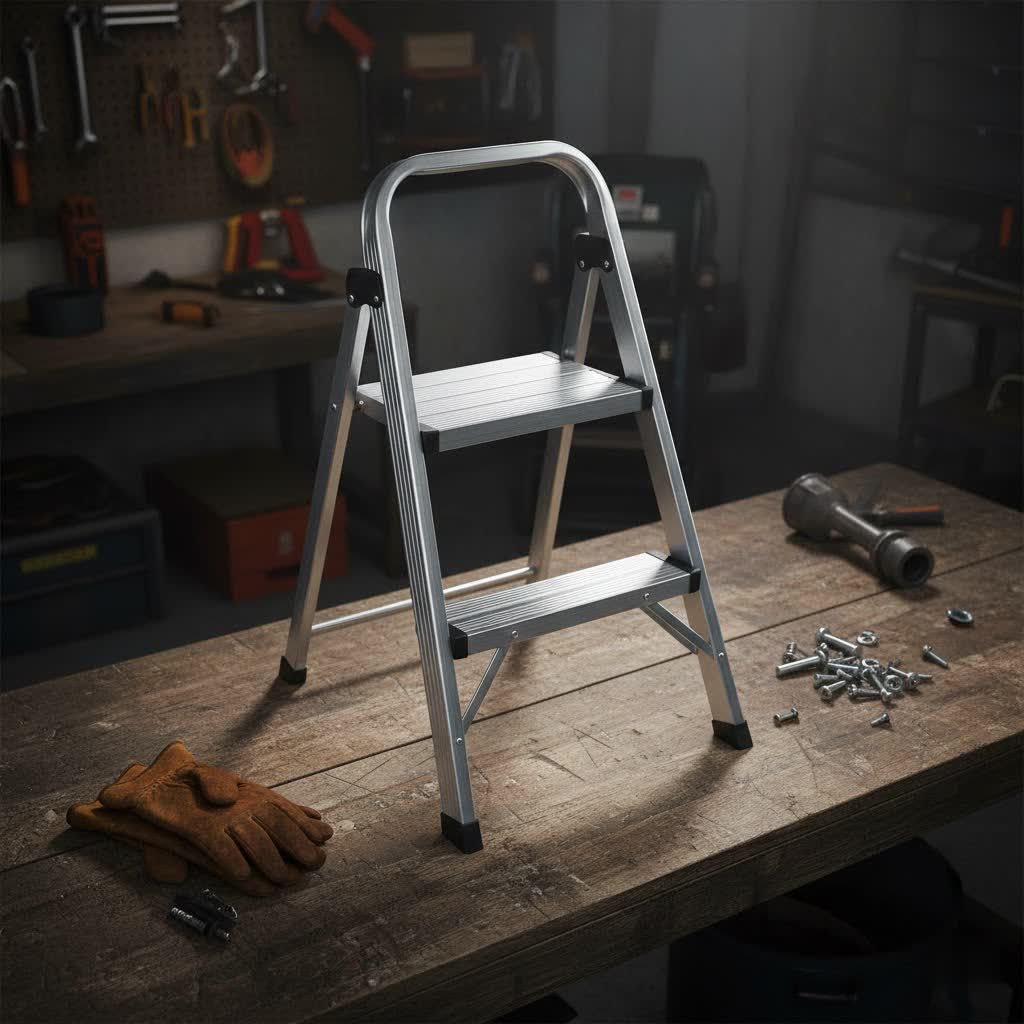
Navigating the world of ladders can feel overwhelming, but for countless home improvement projects, professional tasks, and everyday needs, a six-foot step ladder stands out as an indispensable tool. It offers the ideal balance of reach and portability, making it a go-to choice for tasks that are just a little too high for comfort but don’t require an enormous extension ladder. If you’re looking to safely and efficiently tackle jobs around your home or workspace, understanding what makes a great six-foot step ladder is your first step to success.
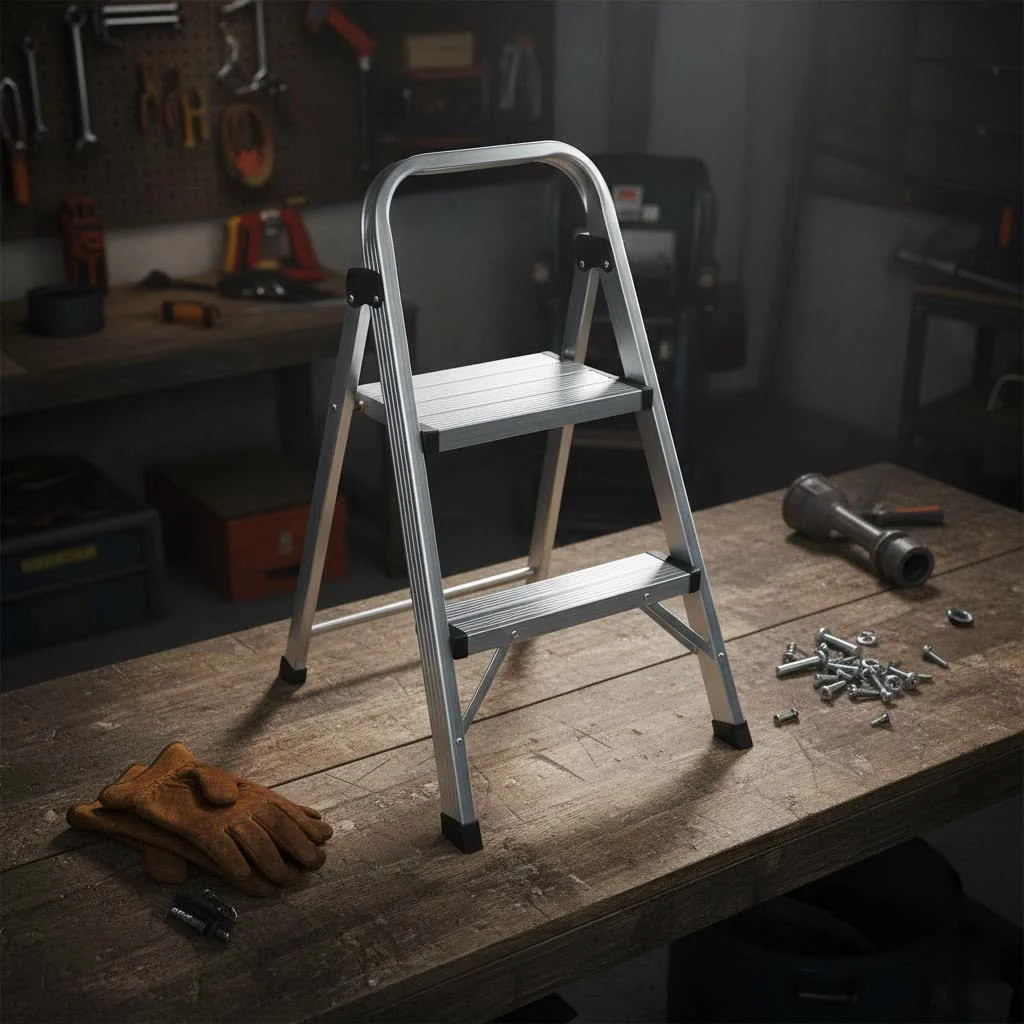
Understanding the Six-Foot Step Ladder and Its Reach
A six-foot step ladder is a self-supporting, A-frame ladder designed for stability and ease of use. While the ladder itself measures six feet, its practical “reach height” is significantly more. For an average person standing on the highest safe step (typically two steps down from the top cap), a six-foot step ladder provides an approximate ten-foot working reach. This makes it perfect for tasks like painting ceilings, cleaning gutters, changing light fixtures, accessing high shelves, or performing general maintenance indoors and out. For home buying guides on this site.
Types of Six-Foot Step Ladders
Not all six-foot step ladders are created equal. Different designs cater to specific needs and offer unique advantages.
Standard A-Frame Step Ladders
The most common and recognizable type, the standard A-frame step ladder features steps on one side and a supporting brace on the other. It’s lightweight, easy to maneuver, and ideal for a wide range of household and light professional tasks. These ladders prioritize simplicity and reliability.
Platform Ladders
For those jobs requiring more time and comfort at height, a platform step ladder is a game-changer. Instead of a single step at the top, it features a large, stable standing platform, often accompanied by a safety guardrail. This design allows you to work facing any direction and reduces foot fatigue, making long painting sessions or detailed electrical work much more manageable.
Twin Step Ladders
A twin step ladder, also known as a double-sided step ladder, has steps on both sides of its A-frame. This allows two people to work on the ladder simultaneously (within the combined weight limit) or provides increased versatility, as you can climb and descend from either side. They are inherently stable due to their dual-sided construction, making them a popular choice for team projects.
Multi-Position Ladders
While often larger than a traditional six-foot step ladder, many multi-position ladders can be configured to function as one. These highly versatile ladders can transform into extension ladders, scaffold bases, or even stairway ladders. If your needs extend beyond a simple step ladder, a multi-position model offers unparalleled adaptability, though they tend to be heavier and more complex to adjust.
Choosing the Right Material: Aluminum vs. Fiberglass
|
Our Picks for the Best Step Ladder in 2026
As an Amazon Associate I earn from qualifying purchases.
|
||
| Num | Product | Action |
|---|---|---|
| 1 | HBtower 2 Step Ladder, Step Stool with Wide Anti-Slip Pedal, Step Ladder Folding Step Stool for Adults, Lightweight Steel Portable ladders for Home Kitchen |

|
| 2 | HBTower 3 Step Ladder, 3 Step Stool for Adults, 3 Step Ladder Folding Step Stool with Cushioned Handle Step Ladder with Wide Pedal Ergonomic Design,Black |
|
| 3 | 2 Step Ladder, Portable Steel Folding Step Stool with Wide Anti-Slip Pedal & Convenient Handgrip, 500lbs Sturdy Steel Ladder, Black |
|
| 4 | HBTower 3 Step Ladder Folding Step Stool, 330 Lbs Capacity Step Stool for Adults, Closet Step Stool Ladder with Anti-Slip Wide Pedals Household Office, White |
|
| 5 | HBTower 2 Step Ladder, Step Stool for Adults,2 Step Ladder Folding Step Stool with Wide Pedal Ergonomic Design |
|
| 6 | HBTower Step Ladder,Lightweight Aluminum Folding Step Stool with Anti-Slip Wide Pedal,330lbs Capacity Step Ladder-Black |
|
| 7 | HBTower 2 Step Ladder,2 Step Stool for Adults Folding Step Stool with Cushioned Handle with Wide Anti-Slip Pedal Ergonomic Design |
|
| 8 | 3 Step Ladder, Portable Folding Ladder for Multi-Purpose, Home, Kitchen, Heavy Sturdy Steel Step Stool with Handrail, Anti-Slip Wide Pedals, Safe-Lock Design, Pass 500lbs Load Testing, Black |
|
| 9 | GameGem 3 Step Ladder, Folding Step Stool with Wider Pedal, Anti-Slip Feet & Non Slip Stripes, Aluminum Sturdy Material, 300Lbs Capacity, Elegant Look of Cream Chocolate Better Matches Your Home |
|
| 10 | HBTower Step Ladder,Lightweight Aluminum Folding Step Stool with Anti-Slip Wide Pedal,330lbs Capacity Step Ladder for Household,Kitchen,Office - BlackWoodgrain |
|
The material of your six-foot step ladder significantly impacts its weight, durability, and suitability for certain jobs.
Aluminum Step Ladders
- Pros: Aluminum ladders are remarkably lightweight, making them easy to carry, transport, and move around a job site or home. They are also generally more cost-effective.
- Cons: The primary drawback of aluminum is its conductivity. It must not be used when working near electricity, as it poses a severe electrocution risk. Aluminum can also be more susceptible to denting compared to fiberglass.
Fiberglass Step Ladders
- Pros: Fiberglass ladders are non-conductive, making them the safest choice for electrical work or any task near power lines. They are also incredibly durable, resistant to weathering, and less prone to denting or bending than aluminum, making them a favorite among professionals.
- Cons: Fiberglass ladders are typically heavier than their aluminum counterparts, which can make them slightly more cumbersome to move. They also usually come with a higher price tag.
Crucial Factors When Choosing Your 6-Foot Step Ladder: A Buying Guide
Selecting the right six-foot step ladder involves more than just picking a height. Consider these essential factors to ensure safety, efficiency, and longevity.
Duty Rating (Load Capacity)
This is paramount for safety. The duty rating indicates the maximum weight a ladder can safely support, including the user, tools, and materials. Look for ANSI (American National Standards Institute) classifications:
- Type III (Light-Duty): 200 lbs (often for step stools, not typically 6-foot step ladders)
- Type II (Medium-Duty): 225 lbs
- Type I (Heavy-Duty): 250 lbs
- Type IA (Extra Heavy-Duty): 300 lbs
- Type IAA (Super Heavy-Duty): 375 lbs
For a six-foot step ladder, especially if you anticipate carrying tools or materials, a Type I, IA, or IAA rating is highly recommended to ensure maximum safety and durability.
Safety Features
Modern step ladders come with features designed to enhance safety and convenience:
- Non-Slip Steps and Feet: Essential for preventing falls. Look for wide, deeply textured steps and robust, slip-resistant foot pads.
- Tool Trays and Holders: Many ladders feature top caps with slots, magnetic strips, or hooks to keep tools, paint cans, or hardware within easy reach, reducing the need to climb up and down frequently.
- Sturdy Bracing: Well-constructed ladders will have strong bracing, often double-riveted steps and full sets of rear horizontals, to prevent wobbling and increase stability.
- Handrails: Some platform or specialized step ladders include extended handrails for an additional point of contact and enhanced security.
Stability and Construction Quality
A good step ladder should feel solid and stable, even when you’re working at its highest safe point. Inspect the construction:
- Rung Connection: Steps should be securely riveted or otherwise firmly attached to the rails.
- Spreaders: The locking spreaders that hold the A-frame open should be heavy-duty and engage securely.
- Overall Rigidity: The ladder should resist flexing or bouncing when subjected to weight.
Portability and Storage
Even a sturdy six-foot ladder needs to be manageable. Consider its folded dimensions and weight, especially if you need to move it frequently or store it in a tight space. Look for easy-to-fold designs.
Top Six-Foot Step Ladder Brands
Several manufacturers consistently produce high-quality six-foot step ladders favored by both homeowners and professionals:
- Werner: A leading name in ladders, Werner offers a wide range of fiberglass and aluminum step ladders with various duty ratings and innovative features like the LOCKTOP® system for tool organization.
- Louisville Ladder: Known for robust construction and reliable performance, Louisville Ladder provides excellent options in both materials, often praised for their stability.
- Little Giant Ladders: While famous for their multi-position ladders, Little Giant also produces highly regarded step ladders that emphasize safety and versatility, often with comfortable wide treads and integrated handrails.
- Gorilla Ladders: Often found at major retailers, Gorilla Ladders offer strong, durable step ladders, including popular platform models, known for their stability and thoughtful features like project buckets.
When considering a brand, reading user reviews and checking specific product specifications can help you find the best fit for your needs.
Essential Safety Tips for Your Six-Foot Step Ladder
Even the best ladder is only as safe as its user. Adhering to fundamental safety practices is crucial:
- Inspect Before Every Use: Always check your ladder for damage, loose components, or debris before climbing. If it’s damaged, do not use it.
- Proper Placement: Set up your ladder on a firm, level, non-slip surface. Avoid soft ground, slippery floors, or unstable objects like boxes. Ensure all four feet are firmly planted.
- Maintain Three Points of Contact: When climbing or descending, always keep two hands and one foot, or one hand and two feet, on the ladder at all times.
- Never Stand on the Top Cap or Top Two Steps: These areas are not designed for standing. Always stay below the highest safe standing level to maintain balance and prevent falls.
- Avoid Overreaching: Keep your belt buckle (your center of gravity) between the side rails. If a task requires you to stretch excessively, climb down and reposition the ladder.
- Respect Load Limits: Never exceed the ladder’s stated duty rating. Remember to factor in your own weight plus the weight of any tools or materials you’re carrying.
- Be Mindful of Electricity: Always use a fiberglass ladder when working near electrical hazards. Aluminum conducts electricity and is extremely dangerous in such situations.
- Ensure Locks are Engaged: Before climbing, double-check that all locking mechanisms are fully engaged and secure.
“A ladder is a tool for elevation, but safety is always grounded. Never compromise on proper setup and respect for its limits.” – John M. Davis, Certified Safety Instructor
Conclusion
A six-foot step ladder is an indispensable tool, offering the perfect blend of reach and maneuverability for a multitude of tasks. By understanding the different types, materials, and crucial buying factors like duty ratings and safety features, you can confidently select a ladder that not only meets your project requirements but also ensures your safety. Remember, investing in a high-quality ladder and following proper safety protocols is an investment in your well-being. So, which six-foot step ladder will elevate your next project?
Get our weekly buyer guide
Practical specs, not advice. Unsubscribe anytime.
