Navigating the world of Step Ladders can feel overwhelming, with countless options promising to be “the best.” Have you ever found yourself precariously balancing on a chair, wishing for a safer, more stable solution for reaching those high shelves or tackling a painting project? As an admin for reviewmyerc.com and a technician with over a decade of hands-on experience with ladders, I understand this challenge deeply. This guide is designed to cut through the clutter, offering you precise, actionable insights to help you select the ideal step ladder for your home and professional needs, ensuring both safety and efficiency for every task.
Common Types of Step Ladders
Step ladders are indispensable tools, but their effectiveness hinges on choosing the right type for the job. While often perceived as simple A-frame structures, the variety available is far more diverse, each engineered for specific applications and user benefits.
Household Step Ladders
Household step ladders are designed with the everyday homeowner in mind, prioritizing ease of use, portability, and compact storage. These are your go-to for routine tasks that require a modest boost in height.
- Advantages: Typically lightweight, making them easy to move around the house. Many models fold flat for convenient storage in closets or pantries. They often feature slip-resistant steps and a comfortable top handle for added security. Ideal for reaching high cabinets, changing light bulbs, or simple decorating tasks. Some compact versions, like 2- or 3-step stools, are specifically tailored for minimal height requirements.
- Disadvantages: Generally have lower duty ratings, meaning they are not built for heavy-duty tasks or supporting significant weight beyond a single user and light tools. Their height is limited, making them unsuitable for outdoor projects or very high ceilings.
- Practical Applications: Perfect for kitchen tasks, accessing attic pull-downs, cleaning windows, or hanging pictures. A 3-step ladder, for instance, offers enough elevation for most indoor ceiling work without being cumbersome.
|
Our Picks for the Best Step Ladder in 2026
We may earn a commission when you use one of our links to make a purchase.
|
||
| Num | Product | Action |
|---|---|---|
| 1 | HBTower 3 Step Ladder Folding Step Stool, 330 Lbs Capacity Step Stool for Adults, Closet Step Stool Ladder with Anti-Slip Wide Pedals Household Office, White |

|
| 2 | HBTower 3 Step Ladder, 3 Step Stool for Adults, 3 Step Ladder Folding Step Stool with Cushioned Handle Step Ladder with Wide Pedal Ergonomic Design,Black |
|
| 3 | 2 Step Ladder, Portable Steel Folding Step Stool with Wide Anti-Slip Pedal & Convenient Handgrip, 500lbs Sturdy Steel Ladder, Black |
|
| 4 | HBTower Step Ladder,Lightweight Aluminum Folding Step Stool with Anti-Slip Wide Pedal,330lbs Capacity Step Ladder for Household,Kitchen,Office - BlackWoodgrain |
|
| 5 | GameGem 3 Step Ladder, Folding Step Stool with Wider Pedal, Anti-Slip Feet & Non Slip Stripes, Aluminum Sturdy Material, 300Lbs Capacity, Elegant Look of Cream Chocolate Better Matches Your Home |
|
| 6 | HBtower 2 Step Ladder, Step Stool with Wide Anti-Slip Pedal, Step Ladder Folding Step Stool for Adults, Lightweight Steel Portable ladders for Home Kitchen |
|
| 7 | HBTower 2 Step Ladder, Step Stool for Adults,2 Step Ladder Folding Step Stool with Wide Pedal Ergonomic Design |
|
| 8 | HBTower 2 Step Ladder,2 Step Stool for Adults Folding Step Stool with Cushioned Handle with Wide Anti-Slip Pedal Ergonomic Design |
|
| 9 | 3 Step Ladder, Portable Folding Ladder for Multi-Purpose, Home, Kitchen, Heavy Sturdy Steel Step Stool with Handrail, Anti-Slip Wide Pedals, Safe-Lock Design, Pass 500lbs Load Testing, Black |
|
| 10 | HBTower Step Ladder,Lightweight Aluminum Folding Step Stool with Anti-Slip Wide Pedal,330lbs Capacity Step Ladder-Black |
|
Professional Step Ladders
Stepping up in capability, professional step ladders are engineered for the rigorous demands of industrial, construction, and trade environments. These models emphasize durability, higher weight capacities, and advanced safety features.
- Advantages: Constructed from robust materials like fiberglass or heavy-duty aluminum, offering superior stability and longevity. Fiberglass models are non-conductive, making them safe for electrical work, a critical feature for electricians and contractors. Higher duty ratings (Type I, IA, IAA) ensure they can safely support heavier individuals, multiple tools, and materials. Many feature wider steps, reinforced platforms, and integrated tool trays for enhanced functionality on the job site. Multi-position step ladders, like articulated ladders, can be configured into various forms, including stepladders, extension ladders, or even scaffolding, offering unmatched versatility.
- Disadvantages: Heavier and often bulkier than household versions, which can make transport and storage more challenging. They come at a higher price point, reflecting their superior construction and features.
- Practical Applications: Essential for electricians, painters, maintenance technicians, and construction workers. Tasks include installing ceiling fans, extensive painting jobs, gutter cleaning, or accessing machinery. A 6-foot fiberglass step ladder is a common choice for professionals needing robust, safe elevation.
Comparing Step Ladder Brands
When investing in a step ladder, the brand matters significantly. Reputable manufacturers stand behind their products with quality construction, adherence to safety standards, and reliable customer support.
Detailed Comparison Table
To give you a clearer picture, here’s a comparison of some leading step ladder brands, highlighting their strengths and what they typically offer:
| Feature/Brand | Werner | Little Giant | Louisville Ladder | HBTower | Delxo |
|---|---|---|---|---|---|
| Specialty | Wide range, professional-grade | Multi-position, versatility | Heavy-duty, fiberglass options | Household, compact, handrails | Budget-friendly, portable |
| Materials | Fiberglass, Aluminum | Aluminum | Fiberglass, Aluminum | Steel, Aluminum | Steel, Aluminum |
| Key Advantages | Industry standard, robust, strong safety focus. Excellent for electrical work (fiberglass). | Highly versatile, convertible designs, often with wheels for mobility. OSHA-rated for professional use. | Durable, often feature tool caddies, good for heavy loads. Trusted by pros. | Focus on stability, wide steps, often includes handrails, good for seniors. | Lightweight, foldable, affordable, good for light household tasks. |
| Typical Price Range | Mid-High | High | Mid-High | Low-Mid | Low |
| Common Models | Leansafe Series, Fiberglass Step Ladders | Velocity Series, Revolution | Fiberglass Step Ladders | 3-Step, 4-Step with handrails | 2-Step, 3-Step Folding |
| Considerations | Can be heavier, higher price point. | Higher initial investment. May be heavier to set up initially. | Some models can be heavy. | Handrail width might be tight for larger users. | Steps can sometimes feel less robust. |
Overall Assessment
Werner, Little Giant, and Louisville Ladder consistently rank as top choices for professionals, dominating the market due to their high quality, durability, and strong adherence to safety standards. Werner is often seen as the industry benchmark, providing reliable options across the spectrum. Little Giant excels in versatility, with multi-position ladders that can adapt to almost any task, making them a favorite for those who need one ladder to do it all. Louisville Ladder is renowned for its heavy-duty fiberglass models, particularly praised for their robustness and integrated tool features.
For homeowners seeking reliable, user-friendly options, brands like HBTower and Delxo offer excellent value. HBTower is frequently lauded for its sturdy build, wide steps, and inclusion of handrails, making it a strong contender for elderly users or anyone prioritizing extra stability. Delxo provides budget-friendly, portable solutions perfect for quick household tasks, though some users note the steps can feel less rigid than premium models. Ultimately, the best brand for you will balance your specific needs for reach, duty rating, material, and budget.
Step Ladder Buying Guide
Choosing the right step ladder involves more than just picking one that looks sturdy. It requires careful consideration of several key factors to ensure safety, efficiency, and longevity.
Factors to Consider
-
Height and Weight Capacity (Duty Rating):
- Height: Determine your maximum required reach. Remember that you should never stand on the top cap or the step immediately below it on a step ladder. The highest safe standing level is typically two steps down from the top. Add your height and approximate vertical reach to the ladder’s safe standing height to estimate your working reach.
- Duty Rating: This indicates the maximum weight the ladder can safely support, including the user, tools, and materials. The American Ladder Institute (ALI) categorizes ladders by duty rating:
- Type III (Light Duty): 200 lbs (household)
- Type II (Medium Duty): 225 lbs (household, light commercial)
- Type I (Heavy Duty): 250 lbs (commercial, industrial)
- Type IA (Extra Heavy Duty): 300 lbs (industrial)
- Type IAA (Super Heavy Duty): 375 lbs (heavy industrial)
Always choose a ladder with a duty rating that exceeds your anticipated total load.
-
Material and Durability:
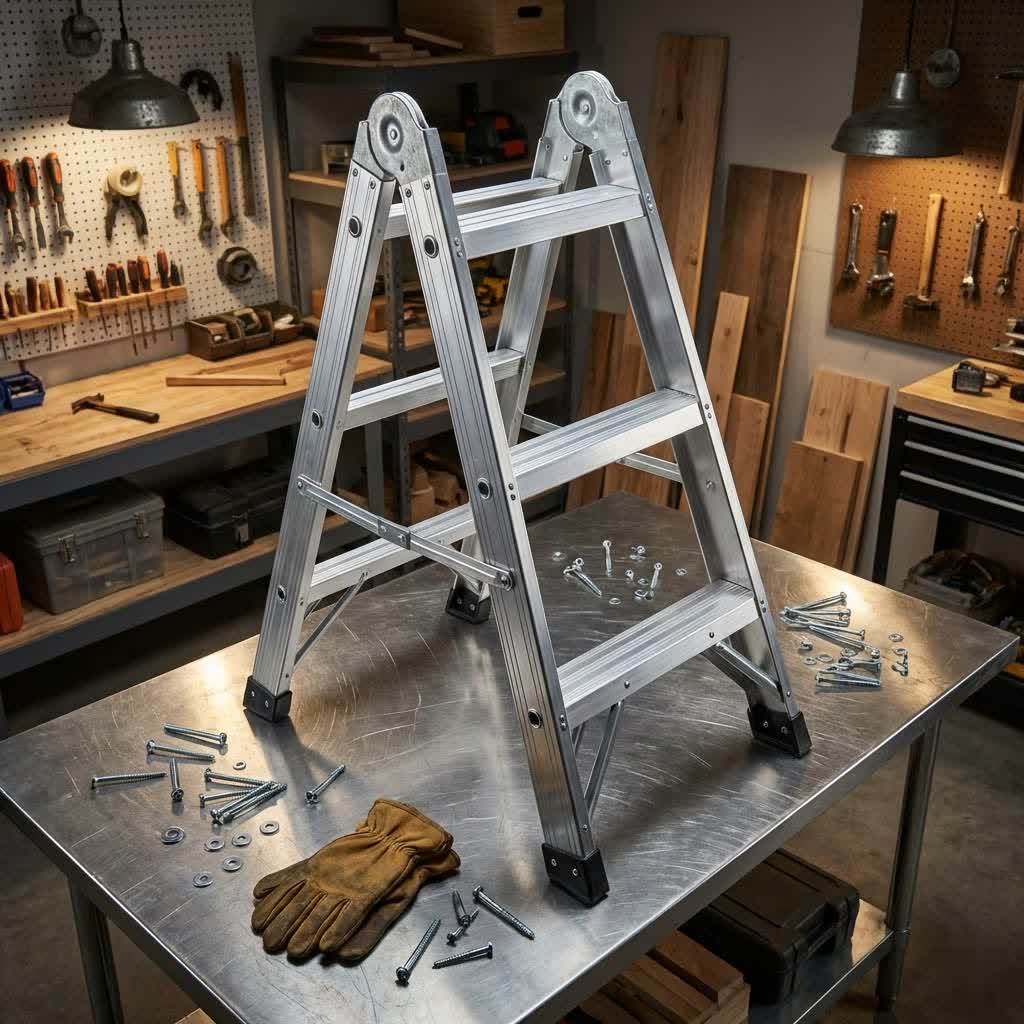
- Aluminum: Lightweight and corrosion-resistant, making it highly portable. Ideal for general household tasks and situations where weight is a concern. However, it conducts electricity, so it should never be used near live electrical sources.
- Fiberglass: Heavier than aluminum but non-conductive, making it the safest choice for electrical work or outdoor use where power lines might be present. Fiberglass is also very durable and resistant to weathering.
- Steel: Often found in more budget-friendly or compact step stools. It offers good strength but is heavier than aluminum and can be susceptible to rust if not properly coated.
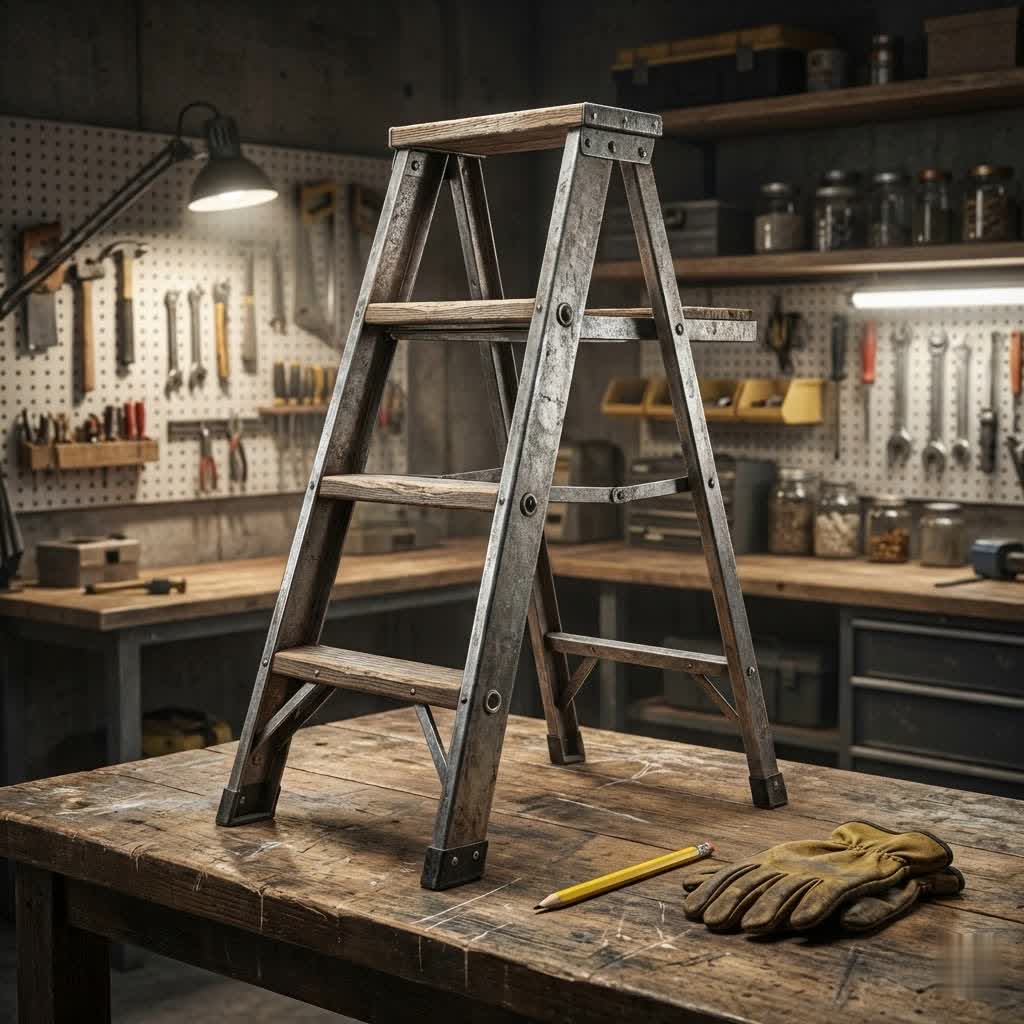
- Wood: While traditional, wood ladders are less common now due to maintenance requirements and vulnerability to rot. Fiberglass and aluminum have largely replaced them in modern manufacturing.
-
Safety Features:
- Non-slip Treads/Feet: Essential for preventing slips and ensuring stability on various surfaces.
- Secure Locking Mechanisms: For folding step ladders, ensures the ladder is fully open and stable before use.
- Handrails/Guard Rails: Provide additional support and a sense of security, especially beneficial for elderly users or those less comfortable at heights.
- Tool Trays/Caddies: Keep tools conveniently at hand, reducing the need to climb up and down frequently.
- Wide Steps/Platform Top: Offer a more comfortable and secure standing surface, reducing foot fatigue during longer tasks.
-
Portability and Storage:
- Consider how often you’ll move the ladder and where you’ll store it. Lightweight, foldable designs are best for frequent home use and limited storage space.
- Multi-position ladders often fold down compactly, despite their larger extended size. Some even come with wheels for easier transport.
Expert Advice
As someone who’s spent countless hours on ladders, here’s my seasoned advice:
- Match the Ladder to the Task: A small step stool is perfect for changing a light bulb, but inadequate for cleaning gutters. Don’t try to make a ladder do something it wasn’t designed for. “Using a ladder that’s too short or too tall can hamper the safety and efficiency of your work.”.
- Prioritize Safety Above All: Always check the ladder for damage before each use. Ensure all spreaders and locking mechanisms are fully engaged. Maintain three points of contact when climbing or descending. Never stand on the top cap or platform unless the ladder is specifically designed as a platform ladder with appropriate guardrails.
- Inspect Before You Buy: If possible, physically test the ladder in a store. Feel its stability, test the locking mechanisms, and ensure it feels comfortable and secure for your build. Check for industry certifications, which confirm the ladder meets specific safety standards.
- Proper Maintenance is Key: Keep your ladder clean, especially the steps and feet, to prevent slips. Store it in a dry place away from extreme heat or corrosive materials to prolong its life.
- Don’t Overreach: Position the ladder close to your work area. If you need to stretch or reach awkwardly, descend and reposition the ladder.
“The structural difference between step ladders and extension ladders is crucial – step ladders provide stability through their A-frame geometry, making them ideal for tasks where wall support isn’t available.” – LES Safety Guide, 2025
Top Step Ladder Models Reviewed
Based on performance, user feedback, and expert evaluations, here are some top-rated step ladder models that consistently deliver reliability and safety.
Detailed Reviews
-
HBTower 3-Step Ladder with Handrails:
- Advantages: Highly praised for its exceptional sturdiness and stability, often supporting up to 500 lbs. The inclusion of sponge-covered handrails provides superior grip and an added layer of safety, making it a top choice for elderly users or anyone seeking extra confidence. Features wide, anti-slip steps and folds flat for easy storage.
- Disadvantages: Some users note the space between handrails can be a bit tight for larger individuals.
- Best For: Households, seniors, those needing extra stability and support for tasks like reaching high cabinets, light maintenance, or decorating.
-
Louisville Ladder 6-Foot Fiberglass Step Ladder:
- Advantages: A robust, professional-grade ladder known for its rock-solid stability on various surfaces, including grass and concrete. The fiberglass construction makes it safe for electrical work, and its 300 lb duty rating accommodates heavier users and tools. Often includes a multi-functional top with tool slots and magnetic strips for convenience.
- Disadvantages: It can be heavier than aluminum alternatives, impacting portability for some users.
- Best For: Professionals, serious DIYers, outdoor projects, electrical work, and any task requiring maximum durability and safety.
-
Little Giant Ladders Velocity Multi-Position Ladder:
- Advantages: This versatile ladder can transform into several configurations, including an A-frame step ladder, extension ladder, and even a scaffolding trestle. Often equipped with wheels for easy repositioning and boasts OSHA ratings for industrial use. Its robust construction ensures exceptional stability and durability.
- Disadvantages: The initial price point is higher, and setting up its various configurations can take some practice.
- Best For: Users needing a highly adaptable ladder for a wide range of tasks, from indoor repairs to heavy-duty outdoor and construction work. Ideal for those who prefer one comprehensive solution over multiple specialized ladders.
Conclusion
Selecting the right step ladder is a crucial decision for anyone tackling tasks at height, whether you’re a seasoned professional or a weekend DIY enthusiast. By carefully considering the various types, materials, safety features, and specific brand offerings, you can ensure your choice provides maximum stability, efficiency, and peace of mind. From lightweight aluminum models for simple household chores to heavy-duty fiberglass ladders for demanding professional environments, there’s a perfect step ladder out there for every need and budget.
Ready to elevate your work safely and efficiently? Which feature will you prioritize in your next step ladder purchase?
Frequently Asked Questions
What is the safest height to stand on a step ladder?
For maximum safety, you should never stand on the top cap or the step immediately below it. The highest recommended standing level is typically two steps down from the top, ensuring you have enough ladder above you to maintain balance and avoid overreaching.
How do I know what duty rating I need for a step ladder?
The duty rating is crucial. It specifies the maximum safe weight capacity, including your weight, tools, and materials. Always choose a ladder with a duty rating that comfortably exceeds your total expected load. For example, a Type IA ladder supports up to 300 lbs, suitable for most professional tasks.
Is an aluminum or fiberglass step ladder better?
It depends on your needs. Aluminum ladders are lighter and easier to transport, ideal for general household use where electrical hazards are not present. Fiberglass ladders are heavier but non-conductive, making them the safer choice for any work involving electricity or outdoor use where power lines could be a factor.
Can I use a step ladder on uneven ground?
No, standard step ladders require a firm, level surface for all four legs to ensure stability. Using a step ladder on uneven ground significantly increases the risk of tipping and serious injury. Some multi-position or articulated ladders may have configurations or accessories (like ladder levelers) that allow for safe use on slightly uneven surfaces or stairs.
How often should I inspect my step ladder?
You should conduct a thorough visual inspection of your step ladder before each use. Check for any damage, loose rivets, worn steps, cracks, or faulty locking mechanisms. Regular maintenance and prompt repair or replacement of damaged ladders are essential for preventing accidents.