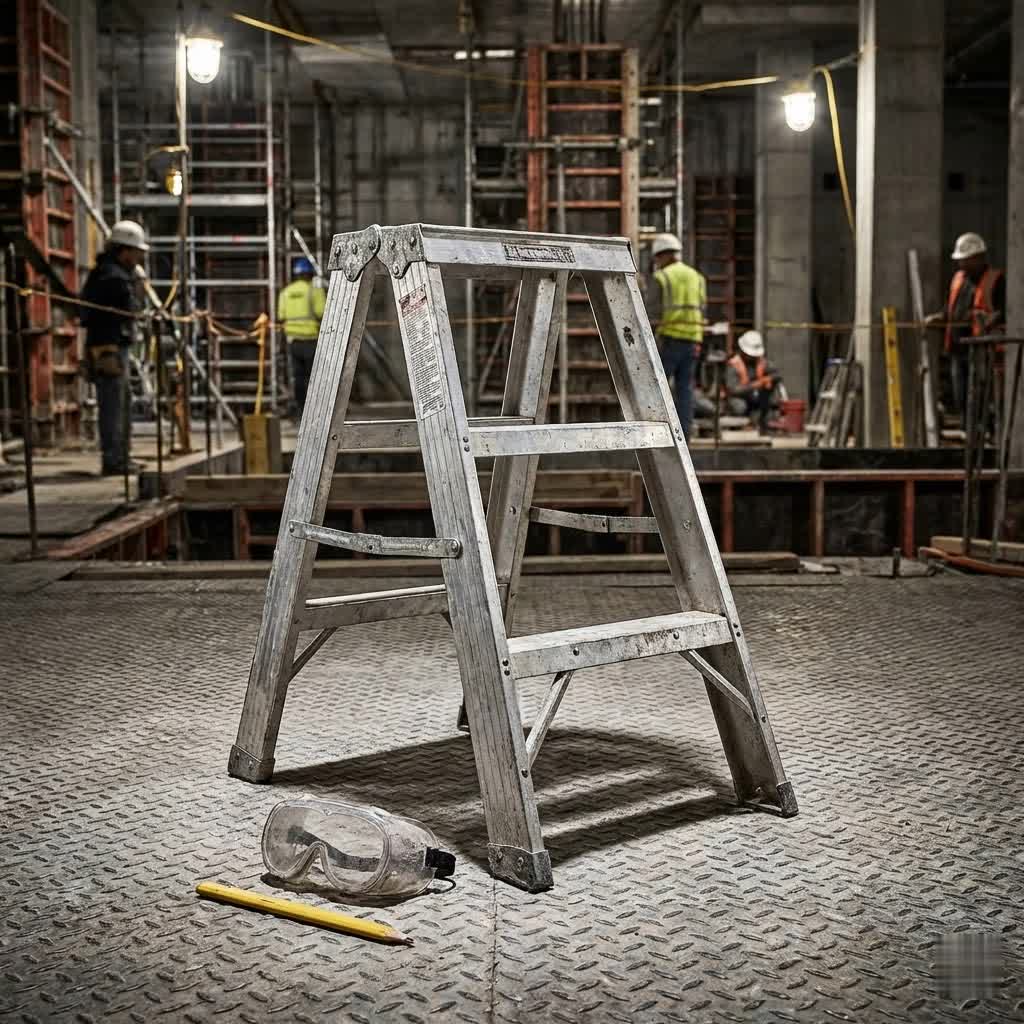
A reliable 3-step step ladder provides a safe and efficient way to perform common household tasks, offering a stable alternative to unstable chairs or improvised solutions. This compact tool is ideal for reaching heights of approximately 7-8 feet, making tasks like changing lightbulbs, dusting ceiling fans, or accessing high storage areas much safer and easier. Understanding the materials, safety features, and proper usage is crucial for making an informed choice and enhancing home safety.
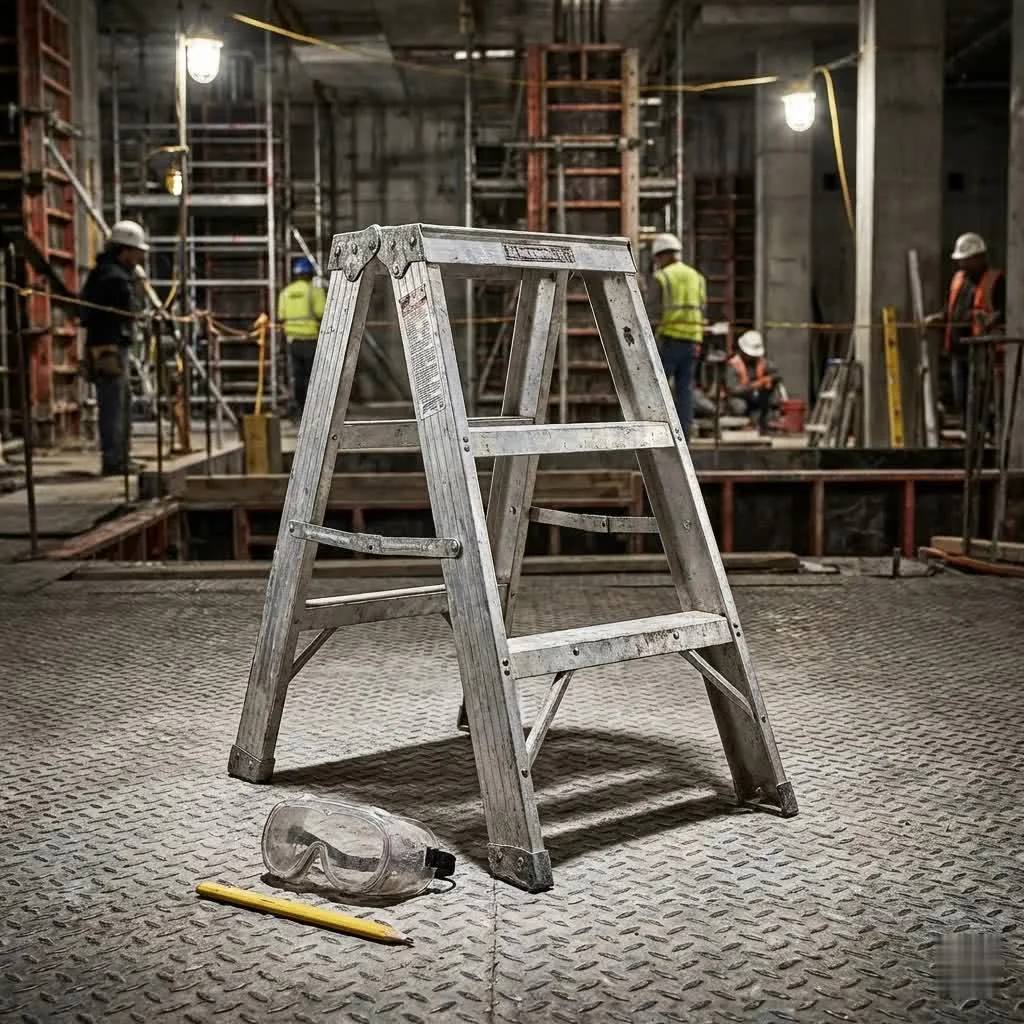
This comprehensive guide examines everything you need to know about 3-step step ladders, from materials and essential safety features to expert tips for selection and maintenance. Discover how this small but mighty tool can enhance your home safety and efficiency.
The Indispensable 3-Step Step Ladder: Your Household Essential
A 3-step step ladder is a self-supporting A-frame design, offering inherent stability that extension ladders, which require external support, cannot. This foundational design makes them ideal for tasks demanding precision and confidence, such as decorating, routine maintenance, or accessing high storage areas. Unlike improvised solutions like chairs or tables, proper step ladder use significantly reduces the risk of height-related accidents.
Why specifically a 3-step? This particular size strikes an ideal balance between reach and portability. It provides sufficient elevation for common indoor tasks without being cumbersome to store or move. Imagine effortlessly reaching the top shelf in your pantry, dusting ceiling fans, or hanging curtains without fear of losing your balance. These ladders are perfectly designed for those mid-height jobs around the home or office.
“A 3-step ladder is often the sweet spot for homeowners. It offers just enough height for most indoor tasks, making it a highly practical and frequently used tool.”
Understanding 3-Step Step Ladder Types and Materials
When selecting a 3-step step ladder, understanding the different types and materials available is key to matching the right tool to your specific needs. Each option presents a unique set of advantages and considerations.
Common Types for 3-Step Step Ladders
While the basic function remains consistent, 3-step step ladders come in a few common design variations:
- Standard Step Ladders: These are the most common, featuring steps on one side and a supportive back leg structure. They are straightforward, reliable, and excellent for general household tasks.
- Platform Step Ladders: For enhanced safety and comfort, platform ladders include a larger standing surface at the top instead of a traditional step. This provides a more stable work area, often extending above with a rail for an additional point of contact, reducing fatigue during longer tasks.
- Twin-Step Ladders: These versatile models allow access from both sides, effectively doubling their utility. While less common for very compact 3-step versions, they can be useful in situations where access from multiple directions is beneficial.
Materials Breakdown
|
Our Picks for the Best Step Ladder in 2026
As an Amazon Associate I earn from qualifying purchases.
|
||
| Num | Product | Action |
|---|---|---|
| 1 | HBTower Step Ladder,Lightweight Aluminum Folding Step Stool with Anti-Slip Wide Pedal,330lbs Capacity Step Ladder for Household,Kitchen,Office - BlackWoodgrain |

|
| 2 | HBTower 2 Step Ladder, Step Stool for Adults,2 Step Ladder Folding Step Stool with Wide Pedal Ergonomic Design |
|
| 3 | HBTower Step Ladder,Lightweight Aluminum Folding Step Stool with Anti-Slip Wide Pedal,330lbs Capacity Step Ladder-Black |
|
| 4 | GameGem 3 Step Ladder, Folding Step Stool with Wider Pedal, Anti-Slip Feet & Non Slip Stripes, Aluminum Sturdy Material, 300Lbs Capacity, Elegant Look of Cream Chocolate Better Matches Your Home |
|
| 5 | 2 Step Ladder, Portable Steel Folding Step Stool with Wide Anti-Slip Pedal & Convenient Handgrip, 500lbs Sturdy Steel Ladder, Black |
|
| 6 | HBTower 3 Step Ladder, 3 Step Stool for Adults, 3 Step Ladder Folding Step Stool with Cushioned Handle Step Ladder with Wide Pedal Ergonomic Design,Black |
|
| 7 | 3 Step Ladder, Portable Folding Ladder for Multi-Purpose, Home, Kitchen, Heavy Sturdy Steel Step Stool with Handrail, Anti-Slip Wide Pedals, Safe-Lock Design, Pass 500lbs Load Testing, Black |
|
| 8 | HBtower 2 Step Ladder, Step Stool with Wide Anti-Slip Pedal, Step Ladder Folding Step Stool for Adults, Lightweight Steel Portable ladders for Home Kitchen |
|
| 9 | HBTower 3 Step Ladder Folding Step Stool, 330 Lbs Capacity Step Stool for Adults, Closet Step Stool Ladder with Anti-Slip Wide Pedals Household Office, White |
|
| 10 | HBTower 2 Step Ladder,2 Step Stool for Adults Folding Step Stool with Cushioned Handle with Wide Anti-Slip Pedal Ergonomic Design |
|
The material of your 3-step step ladder dictates its weight, durability, and suitability for various environments.
- Aluminum Step Ladders: Aluminum is the most popular choice for domestic and light-trade 3-step ladders due to its excellent strength-to-weight ratio. These ladders are lightweight, corrosion-resistant, and easy to transport and store. An aluminum 3-step ladder typically offers a weight capacity of 220-330 lbs (100-150 kg). However, a crucial drawback is that aluminum conducts electricity, making it unsafe for use near electrical sources.
- Pros: Extremely lightweight, easy to maneuver and store, corrosion-resistant.
- Cons: Conducts electricity, generally lower weight capacity than steel.
- Ideal Applications: Everyday household tasks, reaching high shelves, light cleaning, general DIY.
- Fiberglass Step Ladders: For those working with or near electricity, fiberglass is the material of choice. It is non-conductive, providing superior safety in electrical environments. Fiberglass ladders are also exceptionally durable, resistant to weathering, and typically offer a higher weight capacity, often exceeding 330 lbs (150 kg). While heavier than aluminum, their robustness and safety benefits are unparalleled for specific uses.
- Pros: Non-conductive (electrically safe), very durable, weather-resistant, high weight capacity.
- Cons: Heavier than aluminum, typically more expensive.
- Ideal Applications: Electrical work, industrial settings, demanding outdoor tasks.
- Steel Step Ladders: Steel 3-step ladders are known for their exceptional sturdiness and higher weight capacities, sometimes up to 330 lbs. They are often coated with an anti-rust paint for protection and feature wide, anti-slip pedals. While heavier than aluminum, steel ladders offer robust stability for heavier-duty home tasks.
- Pros: Very sturdy, high weight capacity, often budget-friendly.
- Cons: Heavier and less portable than aluminum.
- Ideal Applications: Garage work, tasks requiring extra stability and load-bearing.
- Timber Step Ladders: While less common for 3-step models today, timber ladders offer a traditional, budget-friendly option. They provide natural electrical insulation but are heavier and require more maintenance than modern alternatives.
Ensuring Your Safety: Key Features and Standards
Safety is paramount when working at any height, and a 3-step step ladder is no exception. Modern ladders incorporate various features and adhere to strict standards to ensure user safety.
Understanding Ladder Safety Standards
- ANSI (American National Standards Institute) Ratings: In the U.S., ladders are rated by ANSI for their load capacity. Common ratings you might see for 3-step ladders include:
- Type III (Light Duty): 200 lbs capacity.
- Type II (Medium Duty): 225 lbs capacity.
- Type I (Heavy Duty): 250 lbs capacity.
- Always ensure the ladder’s capacity exceeds the combined weight of the user and any tools or materials being carried.
- EN131 Certification: This is the European safety standard, a gold standard for ladder safety. Professional-grade ladders often meet or exceed EN131 Professional standards, which typically signify a weight capacity of 330 lbs (150 kg) or more, compared to domestic ratings of around 220 lbs (100 kg).
- Expert Insight: “Never compromise on safety certifications. An EN131 or ANSI-rated ladder provides assurance that it has been rigorously tested for construction quality, materials, and load capacity.”
Critical Safety Features to Look For
Beyond basic construction, specific features significantly enhance the safety of your 3-step step ladder:
- Non-Slip Treads/Steps: Look for steps with ribbed, textured, or rubberized surfaces to provide excellent grip and prevent slips, even when wearing different types of footwear.
- Wide Top Platform: Many 3-step ladders feature an oversized top platform, offering a more generous and stable area to stand, allowing for heel-to-toe foot support and reducing the risk of imbalance.
- Secure Locking Mechanisms: Robust spreader bars or hinge locks prevent the ladder from over-extending or collapsing accidentally during use. A clear “click” sound when opening often indicates it’s locked correctly.
- Handgrips/Handrails: Integrated handrails, sometimes padded with soft sponge, provide crucial support for maintaining balance while climbing and working.
- Anti-Slip Feet: The ladder’s feet should be made of rubberized, skid-resistant material and ideally flare out to provide a wide, stable point of contact with the ground, protecting your floors while preventing movement.
- Three Points of Contact: Always maintain three points of contact (two hands and one foot, or two feet and one hand) when climbing or descending. Avoid standing on the very top step, as this can compromise balance.
Choosing the Perfect 3-Step Step Ladder: A Buying Guide
Selecting the right 3-step step ladder requires a thoughtful approach, balancing your specific needs with safety and quality.
Key Factors to Consider
- Assess Your Working Height and Tasks: A 3-step ladder is generally suitable for tasks requiring a reach of approximately 7-8 feet, allowing an average person to stand comfortably on the second step while maintaining an arm’s reach. Think about the most common tasks you’ll perform:
- Are you mostly reaching items in high cabinets?
- Changing lightbulbs or smoke detector batteries?
- Performing light cleaning or DIY around the house?
- These tasks will influence the features you prioritize.
- Material Selection for Purpose:
- Choose aluminum for lightweight portability and general home use.
- Opt for fiberglass if any electrical work is involved, prioritizing safety above all else.
- Consider steel for maximum sturdiness and higher load capacities for specific heavy-duty home projects.
- Prioritize Safety Features: Never compromise on safety. Look for ladders with certified duty ratings (ANSI Type II or I, or EN131 Domestic/Professional), non-slip steps, a wide top platform, secure locking mechanisms, and robust anti-slip feet. Handrails are a significant safety enhancement, especially for those who need extra stability.
- Portability and Storage: A key advantage of 3-step ladders is their compact nature. Look for models that fold flat easily, allowing for convenient storage in narrow spaces like closets, garages, or under beds. Lightweight aluminum models excel in this regard, making them easy to carry from room to room.
- Budget vs. Quality: While budget is a consideration, investing in a high-quality, certified step ladder is an investment in your safety and the tool’s longevity. Cheaper models may lack critical safety features or robust construction. Review warranties and after-sales support offered by brands to ensure peace of mind.
Expert Advice for Your Purchase
- Read Customer Reviews: Real-world feedback can provide valuable insights into a ladder’s performance, durability, and any potential quirks.
- Physical Inspection: If possible, try to test the ladder in person. Check for wobble, ease of opening/closing, and the feel of the steps and handrails.
- Check for Certifications: Always verify that the ladder carries recognized safety certifications like ANSI or EN131. This is a non-negotiable standard for trustworthiness.
Top 3-Step Step Ladder Recommendations
While specific models and brands can vary, here are examples of highly-rated 3-step step ladders, categorized by their primary benefits, informed by user feedback and expert recommendations from various sources.
1. Lightweight & Portable Aluminum Options
- Characteristics: These ladders are designed for ease of movement and compact storage. Brands like Cosco or Rubbermaid often offer models that are exceptionally light (around 8-12 lbs) and fold to a very slim profile. They typically feature sturdy aluminum frames with non-slip steps and rubberized feet.
- Pros: Incredibly easy to carry and store, perfect for quick, frequent tasks around the house.
- Cons: Lower weight capacity compared to steel models, not suitable for electrical work.
- Ideal User: Homeowners needing a convenient ladder for daily chores, small apartments, or those with limited storage space.
2. Sturdy & Secure Steel Options
- Characteristics: Brands such as HBTower or Best Choice Products offer 3-step ladders constructed from heavy-duty steel, providing exceptional stability and higher weight capacities (often 250-330 lbs). They feature wider, anti-slip steps and often come with additional safety features like handrails.
- Pros: Excellent stability and durability, higher load capacity, robust feel.
- Cons: Heavier and less portable than aluminum, still conducts electricity.
- Ideal User: Those prioritizing maximum stability for tasks like minor home repairs, garage work, or for users who require higher weight support.
3. Options with Enhanced Safety & Convenience Features
- Characteristics: These models might include features like extra-wide steps, a tool tray integrated into the top handle, or continuous handrails for added support. The HBTower 3-step ladder, for instance, is praised for its high capacity (up to 500 lbs in some models) and sponge-covered handrails for better grip, along with a functional top cap that can hold tools. Gorilla Ladders also offer heavy-duty 3-step options with grab bars that double as tool holders.
- Pros: Maximized safety and comfort, increased efficiency with integrated tool storage.
- Cons: Can be slightly heavier or bulkier than basic models, potentially higher price point.
- Ideal User: Seniors, individuals who need extra stability, or anyone performing tasks that require holding tools at height.
Maintaining Your 3-Step Ladder for Longevity
Proper maintenance and storage are essential for ensuring your 3-step step ladder remains safe and reliable for years to come. Neglecting these simple steps can lead to premature wear and potential safety hazards.
Routine Inspection
Before each use, take a moment to inspect your ladder thoroughly. Look for:
- Cracks or damage in steps, rungs, or rails.
- Loose or damaged hinges and locking mechanisms. Ensure they open fully and lock securely.
- Worn or missing anti-slip feet and tread surfaces.
- Any bends or deformities in the frame.
If you find any significant damage, do not use the ladder. Repair or replace it as necessary.
Cleaning
Keep your ladder clean from dirt, paint splatters, oil, or debris, especially on the steps and feet. Slippery residues can significantly increase the risk of falls. A simple wipe-down with a damp cloth after each use is often sufficient. Ensure it is completely dry before storage.
Proper Storage
Store your 3-step step ladder in a dry, protected environment, away from direct sunlight and dampness. These conditions can degrade materials like plastic, rubber, and even metals over time. Many 3-step ladders are designed to fold compactly, making them easy to hang on a wall hook or tuck into a corner, keeping them out of the way while protecting them from environmental damage.
By incorporating these simple maintenance habits, you’ll ensure your 3-step step ladder remains a trustworthy tool, ready whenever you need that extra bit of height.
Conclusion
Choosing the right 3-step step ladder is a decision that impacts your safety and efficiency in countless everyday tasks. By understanding the different materials, prioritizing crucial safety features, and selecting a model that aligns with your specific needs, you can confidently tackle those hard-to-reach areas around your home. The investment in a quality, certified step ladder is an investment in peace of mind. Don’t compromise on fundamentals like safety certifications and appropriate weight capacity.
With proper care and diligent use, your 3-step step ladder will be an indispensable tool for years. What project will you conquer first with your new, reliable step ladder?
Frequently Asked Questions
Frequently Asked Questions
How high can a 3-step step ladder safely reach?
A 3-step step ladder typically offers a safe working height of approximately 7 to 8 feet for an average person. This calculation considers standing on the second step from the top and an average arm reach above that point. It is ideal for common indoor tasks like changing lightbulbs or accessing top shelves.
Which material is better for a 3-step step ladder for home use?
For general home use, an aluminum 3-step step ladder is often preferred due to its lightweight nature, making it easy to carry and store. However, if any electrical work is involved, a fiberglass ladder is essential as it is non-conductive, providing superior safety in such environments.
What is the typical weight capacity for a 3-step step ladder?
The weight capacity of a 3-step step ladder varies by material and duty rating, ranging from Type III (200 lbs) for light-duty models to Type I (250 lbs) or even Type IA (300 lbs) for heavy-duty options, especially in steel or professional-grade aluminum/fiberglass. Always check the specific ladder's rating and factor in your weight plus tools and materials.
What is the best way to store a 3-step step ladder?
Most 3-step step ladders are designed to fold flat, making them very compact for storage. The best practice is to store them in a dry place, away from direct sunlight and moisture, such as a closet, garage, or utility room. Using wall hooks designed for ladders can also keep them off the floor and protected.
Is it safe to stand on the very top step of a 3-step step ladder?
No, it is strongly recommended never to stand on the very top step or platform of any step ladder. Always maintain three points of contact (two hands and one foot, or two feet and one hand) and avoid the top two steps to ensure maximum stability and prevent falls, as standing too high can compromise your balance.
Choosing the Perfect 3-Step Step Ladder
Selecting the right 3-step step ladder involves assessing your needs, prioritizing safety features, and considering materials for optimal home safety and efficiency.
Determine the approximate reach needed for your most common tasks, typically 7-8 feet for a 3-step ladder. Consider if you'll be reaching high cabinets, changing lightbulbs, or performing light DIY around the house. This will help prioritize specific features.
Choose aluminum for lightweight portability and general home use. Opt for fiberglass if any electrical work is involved due to its non-conductive properties. Consider steel for maximum sturdiness and higher load capacities for heavy-duty home projects.
Always look for ladders with certified duty ratings (ANSI Type II or I, or EN131 Domestic/Professional), non-slip steps, a wide top platform, secure locking mechanisms, and robust anti-slip feet. Handrails are a significant enhancement for extra stability.
Look for models that fold flat easily for convenient storage in narrow spaces like closets or garages. Lightweight aluminum models are particularly easy to carry from room to room. Ensure the ladder's folded dimensions fit your available storage.
Invest in a high-quality, certified step ladder for long-term safety and durability, rather than opting for cheaper models that may lack critical safety features. Review warranties and after-sales support to ensure peace of mind with your purchase.
Get our weekly buyer guide
Practical specs, not advice. Unsubscribe anytime.

I was always using a dining chair to get things from the top of my kitchen cabinets, which was so unsafe. This 3-step ladder is exactly what I needed! It’s lightweight enough for me to move around easily, but feels incredibly sturdy when I’m on it. I love that it’s an A-frame design, making it super stable. Highly recommend for anyone with high storage areas.
I bought a 3-step ladder after reading about how useful they are for dusting ceiling fans. It works well for that, and the height is perfect. However, I found the plastic feet on mine to be a bit slippery on my polished concrete floor. I had to add some rubber pads myself to feel completely secure. It’s a decent ladder, but that one detail was a bit disappointing.
This ladder has been a lifesaver for reaching the top shelves in my garage. I appreciate the focus on safety features; it really makes a difference when you’re up there. My only minor complaint is that the steps could be a tiny bit wider for my big feet, but it’s still very secure. Good value for the price.
I finally got around to replacing my old wobbly stool with a proper 3-step ladder, and what a difference! Changing lightbulbs in our high ceilings used to be a two-person job, but now I can do it safely and easily on my own. The stability is fantastic, and it folds up so compactly for storage. Definitely a great investment for any home.