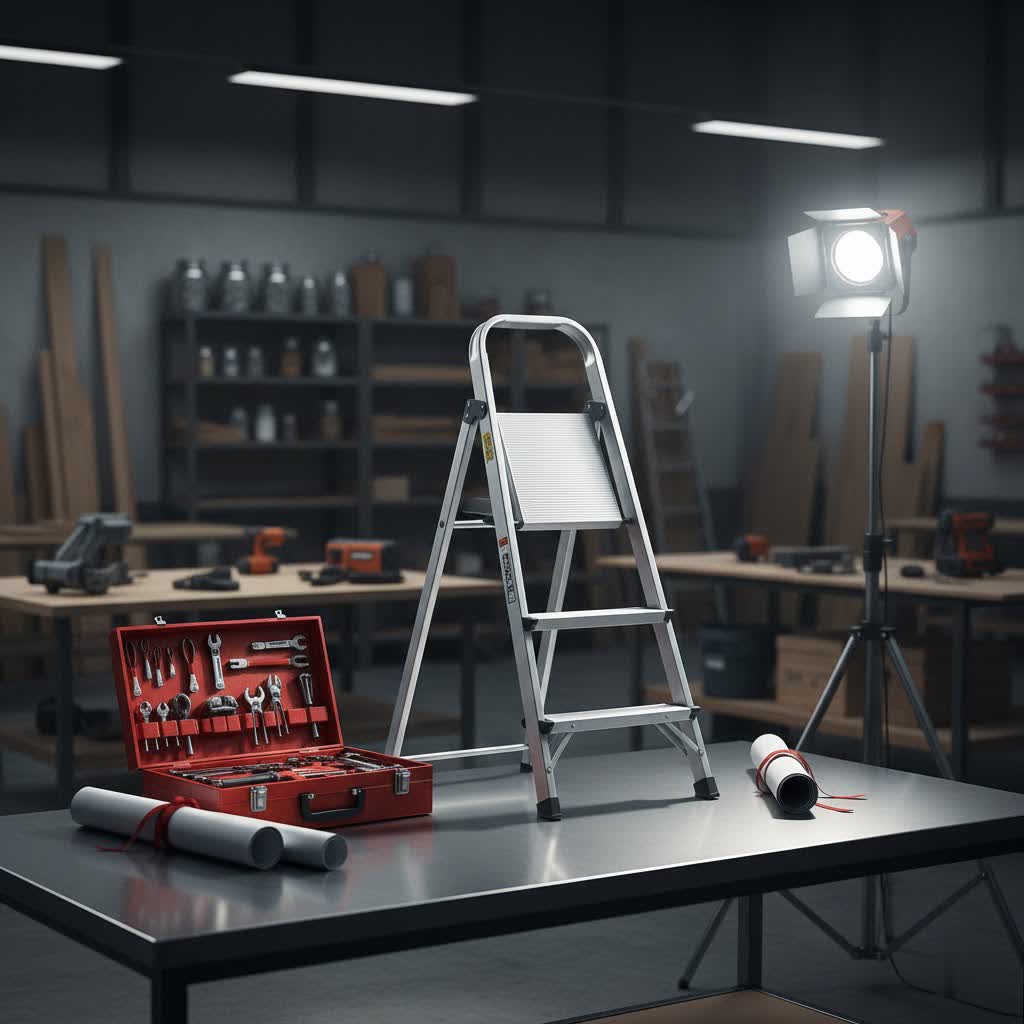
Navigating the world of step ladders can feel overwhelming, but selecting the right one is crucial for safety and efficiency, whether you’re a seasoned professional or a weekend warrior tackling home projects. A Werner step ladder is often the go-to choice, renowned for its quality and durability. But with so many options available, how do you pinpoint the perfect fit for your specific needs and budget? This comprehensive guide will illuminate the essential considerations, helping you confidently choose a Werner step ladder that elevates your work and ensures your safety.
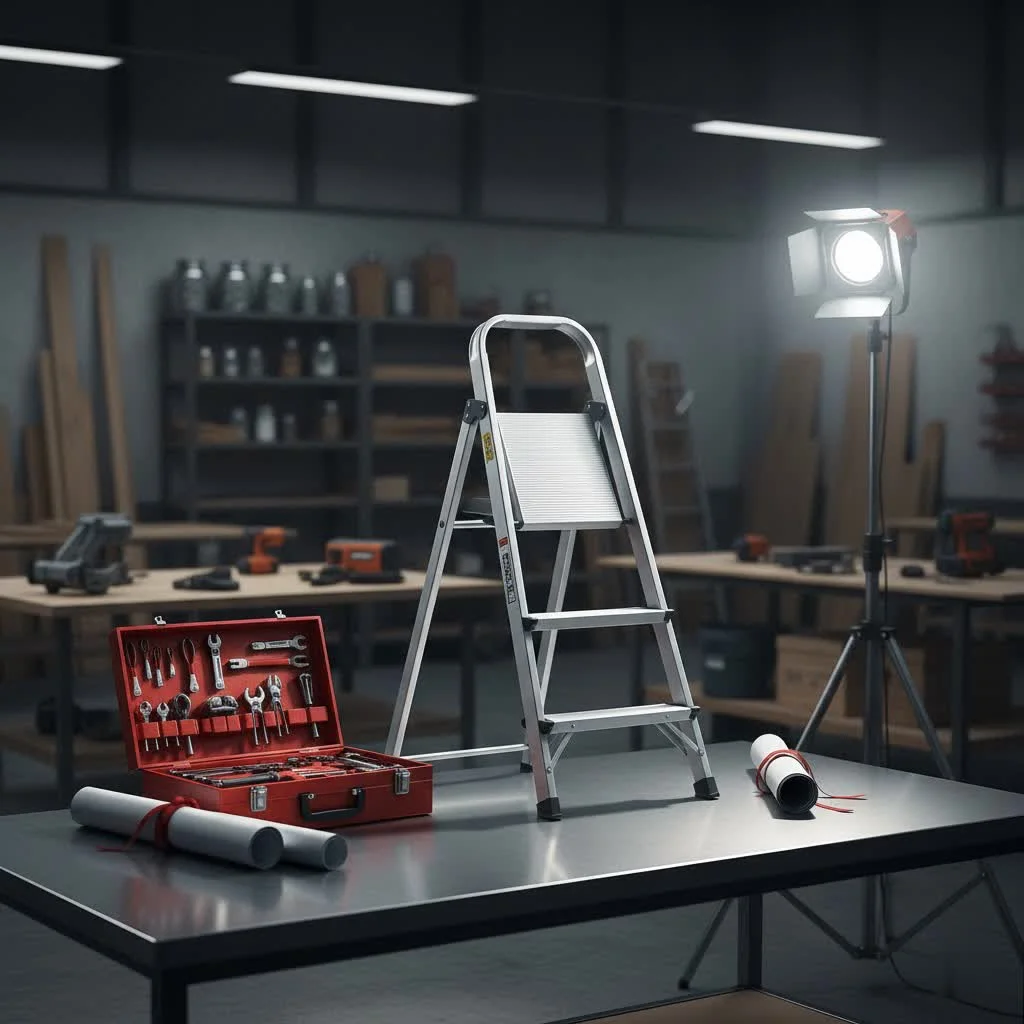
Popular Werner Step Ladder Types
Werner offers a diverse range of step ladders, each designed with specific tasks and users in mind. Understanding the primary categories will help narrow down your options, ensuring you get a ladder tailored to your work environment.
Werner Step Ladders for Home Use
For homeowners and DIY enthusiasts, Werner provides step ladders that prioritize ease of use, portability, and safety for common household tasks. These ladders are typically lighter in weight, making them simple to move from room to room or store in a closet or garage.
- Advantages:
- Lightweight Design: Often constructed from aluminum, making them easy to carry and maneuver.
- Compact Storage: Many models fold flat, taking up minimal space.
- User-Friendly Features: Designed for occasional use, with features that cater to typical household needs like changing light bulbs, reaching high shelves, or light painting.
- Disadvantages:
- Lower Duty Ratings: Generally have Type II (225 lbs) or Type III (200 lbs) duty ratings, suitable for light-to-medium tasks but not heavy industrial use.
- Limited Reach: Available in shorter heights, typically 3 to 8 feet, which might not be sufficient for very high ceilings or outdoor work.
- Practical Applications: Ideal for interior decorating, cabinet access, general home maintenance, and tasks that don’t involve heavy tools or prolonged periods at height.
Werner Professional Step Ladders
When the job demands superior strength, stability, and specialized features, Werner’s professional-grade step ladders rise to the occasion. These are built for contractors, tradespeople, and serious DIYers who require reliable performance in demanding environments.
- Advantages:
- Robust Construction: Often made from fiberglass for enhanced durability and safety, especially around electricity.
- Higher Duty Ratings: Commonly Type IA (300 lbs) or Type IAA (375 lbs), accommodating heavier individuals, tools, and materials.
- Advanced Safety Features: Incorporate innovations like the Edge 360 bracing system, Holster Top, and ToolLasso ready tops for optimal safety and efficiency.
- Disadvantages:
- Heavier Weight: Fiberglass ladders, while strong, can be heavier than their aluminum counterparts, impacting portability.
- Higher Cost: The enhanced materials, features, and duty ratings come with a higher price point.
- Practical Applications: Essential for electricians, painters, maintenance professionals, and construction workers. Perfect for tasks involving electrical work, extensive renovations, or any job requiring maximum stability and tool accessibility.
Werner Step Ladder Materials: Fiberglass vs. Aluminum
The material of your step ladder significantly impacts its performance, safety, and suitability for various tasks. Werner primarily offers step ladders in fiberglass and aluminum, each with distinct characteristics.
Fiberglass Step Ladders
|
Our Picks for the Best Step Ladder in 2026
As an Amazon Associate I earn from qualifying purchases.
|
||
| Num | Product | Action |
|---|---|---|
| 1 | HBTower 3 Step Ladder Folding Step Stool, 330 Lbs Capacity Step Stool for Adults, Closet Step Stool Ladder with Anti-Slip Wide Pedals Household Office, White |

|
| 2 | HBTower 2 Step Ladder, Step Stool for Adults,2 Step Ladder Folding Step Stool with Wide Pedal Ergonomic Design |
|
| 3 | HBTower 2 Step Ladder,2 Step Stool for Adults Folding Step Stool with Cushioned Handle with Wide Anti-Slip Pedal Ergonomic Design |
|
| 4 | 2 Step Ladder, Portable Steel Folding Step Stool with Wide Anti-Slip Pedal & Convenient Handgrip, 500lbs Sturdy Steel Ladder, Black |
|
| 5 | 3 Step Ladder, Portable Folding Ladder for Multi-Purpose, Home, Kitchen, Heavy Sturdy Steel Step Stool with Handrail, Anti-Slip Wide Pedals, Safe-Lock Design, Pass 500lbs Load Testing, Black |
|
| 6 | GameGem 3 Step Ladder, Folding Step Stool with Wider Pedal, Anti-Slip Feet & Non Slip Stripes, Aluminum Sturdy Material, 300Lbs Capacity, Elegant Look of Cream Chocolate Better Matches Your Home |
|
| 7 | HBtower 2 Step Ladder, Step Stool with Wide Anti-Slip Pedal, Step Ladder Folding Step Stool for Adults, Lightweight Steel Portable ladders for Home Kitchen |
|
| 8 | HBTower Step Ladder,Lightweight Aluminum Folding Step Stool with Anti-Slip Wide Pedal,330lbs Capacity Step Ladder for Household,Kitchen,Office - BlackWoodgrain |
|
| 9 | HBTower Step Ladder,Lightweight Aluminum Folding Step Stool with Anti-Slip Wide Pedal,330lbs Capacity Step Ladder-Black |
|
| 10 | HBTower 3 Step Ladder, 3 Step Stool for Adults, 3 Step Ladder Folding Step Stool with Cushioned Handle Step Ladder with Wide Pedal Ergonomic Design,Black |
|
Fiberglass is a popular choice for professional applications due to its inherent properties. It’s a non-conductive material, making it the safest option when working near electrical sources.
- Pros:
- Non-Conductive: Crucial for safety when working around electricity, power lines, or in environments where electrical hazards might be present.
- Durable and Weather-Resistant: Resists dents, shattering, rust, and corrosion. It can withstand exposure to the elements without degrading, making it excellent for outdoor use.
- Sturdy Feel: Often perceived as more rigid and stable, providing a secure working platform.
- High Visibility: Typically comes in high-visibility colors like orange, enhancing safety on job sites.
- Cons:
- Heavier: Generally heavier than aluminum ladders of comparable size and duty rating, which can make transport and setup more challenging.
- More Expensive: The manufacturing process and material costs for fiberglass tend to be higher.
Aluminum Step Ladders
Aluminum step ladders are celebrated for their lightweight nature, making them a favorite for tasks where portability is key.
- Pros:
- Lightweight: Easy to carry, move, and store, reducing user fatigue.
- Affordable: Typically more budget-friendly than fiberglass models.
- Corrosion-Resistant: Does not rust, though it can corrode under certain conditions if not properly maintained.
- Cons:
- Electrically Conductive: Absolutely unsafe for use near electrical sources or power lines, posing a severe electrocution risk.
- Less Durable Against Dents: While strong, aluminum can dent more easily than fiberglass if subjected to heavy impacts.
Comparison Table: Fiberglass vs. Aluminum Werner Step Ladders
| Feature | Werner Fiberglass Step Ladder | Werner Aluminum Step Ladder |
|---|---|---|
| Electrical Safety | Non-conductive, safe around electricity | Conductive, NOT safe around electricity |
| Weight | Generally heavier (though some models are optimized) | Lightweight, easy to transport |
| Durability | Resists dents, rust, and corrosion; weather-resistant | Strong, but can dent; corrosion-resistant (but can corrode) |
| Cost | Higher upfront investment | More budget-friendly |
| Best Use | Professional electrical work, outdoor tasks, heavy-duty projects | General home maintenance, indoor tasks, light outdoor work |
Essential Features of Werner Step Ladders
Werner’s reputation for quality stems from its commitment to safety and innovation. Several key features distinguish their step ladders and enhance user experience.
Safety Innovations
Safety is paramount when working at height, and Werner integrates advanced technologies to protect users.
- Duty Ratings: Werner ladders adhere to ANSI (American National Standards Institute) duty ratings, which define the maximum safe load capacity.
- Type III (200 lbs) – Light-duty household
- Type II (225 lbs) – Medium-duty household/commercial
- Type I (250 lbs) – Heavy-duty industrial
- Type IA (300 lbs) – Extra heavy-duty industrial
- Type IAA (375 lbs) – Super heavy-duty industrial
Choosing the correct duty rating based on your weight plus tools and materials is critical to prevent overloading and ensure stability.
- EN131 Standard: Many Werner ladders, especially in Europe, meet the new EN131 standard, signifying rigorous testing for both professional and non-professional use, with a load capacity of 150kg (approximately 330 lbs).
- Edge 360 Bracing System: Found on many professional models, this system integrates rail shields, edge bracing, and oversized foot pads to provide 360-degree protection against rail damage, enhancing stability and prolonging ladder life.
- Traction-Tred Steps: Wide, slip-resistant D-rungs or steps provide secure footing, reducing the risk of slips and falls.
- Sturdy Spreader Braces: Heavy-duty, pinch-proof internal spreaders are connected with solid rivets, ensuring the ladder legs remain securely locked in place during use.
Tool Management Features
Efficiency goes hand-in-hand with safety. Werner ladders often include smart features to keep your tools organized and within reach.
- Holster Top: This innovative top design provides multiple slots, holes, and a magnetic strip to securely hold a variety of tools like drills, screwdrivers, paint cans, and hardware, reducing trips up and down the ladder.
- ToolLasso Ready: Some Holster Tops are ToolLasso ready, allowing users to attach additional tool holders or accessories for even greater versatility and organization.
Design and Stability
Beyond materials and tool holding, the overall design contributes significantly to a step ladder’s stability and usability.
- Knee-Braced Steps: These reinforce the steps, adding extra stability and strength, particularly important for heavier loads or frequent use.
- Back-Up Plates: Plates at critical connection points, like where the top connects to the rails, provide additional reinforcement, preventing wear and tear and increasing durability.
- Platform Step Ladders: These offer a large, flat standing surface at the top, providing a more comfortable and secure work area compared to traditional steps, especially for tasks requiring extended periods at height.
How to Choose Your Werner Step Ladder: A Buying Guide
Making the right choice involves a careful evaluation of your specific needs against the features Werner offers. Consider these factors to select a step ladder that’s perfectly suited for you.
Determine Required Height and Reach
One of the most common ladder safety mistakes is using a ladder that’s too short, leading to dangerous overreaching.
- Safe Standing Height: For a traditional swingback step ladder, the highest safe standing level is three steps down from the top. For a platform step ladder, you can safely stand on the platform itself.
- Working Height: Your maximum comfortable reaching height is typically about 4 feet higher than the ladder’s height. For instance, a 6-foot step ladder usually allows a comfortable reach of about 10 feet. Always aim for a ladder slightly taller than you think you need to avoid stretching.
Assess Duty Rating Needs
Match the ladder’s duty rating to the combined weight of yourself, your clothing, and any tools or materials you’ll be carrying.
- Home Use: For light household tasks, a Type II (225 lbs) or Type I (250 lbs) might suffice.
- Professional Use: For heavy-duty industrial work or if you carry substantial tools, Type IA (300 lbs) or Type IAA (375 lbs) ladders are essential for safety and compliance.
Consider the Job Environment
The location and nature of your work will dictate the most appropriate material.
- Electrical Work: Always choose a fiberglass step ladder. Its non-conductive properties are critical for preventing electrocution.
- Indoor/Light Outdoor: Aluminum can be a good choice for purely indoor tasks or light outdoor work where no electrical hazards are present, benefiting from its lighter weight.
- Harsh Weather/Chemical Exposure: Fiberglass is more resistant to weathering and many chemicals, making it ideal for tough outdoor conditions.
Think About Portability and Storage
Consider how often you’ll move the ladder and where you’ll keep it.
- Frequent Movement: If you need to move the ladder often between different rooms or job sites, a lighter aluminum model or a compact fiberglass one would be preferable.
- Limited Storage Space: Look for models that fold flat or have a slim profile for easy storage in tight spaces.
Budget and Warranty
While cost shouldn’t override safety, it’s a practical consideration. Werner ladders are an investment, and they often come with warranties reflecting their quality. Consider the long-term value and durability rather than just the initial price. Investing in a higher-quality Werner ladder often means greater safety, longevity, and better performance, saving you money and hassle in the long run.
Top Werner Step Ladder Series
Werner offers various series, each catering to different demands. Here’s a look at some popular options:
Werner 6200 Series Fiberglass Step Ladder
The 6200 series is a workhorse among professionals and serious DIYers. Known for its robust fiberglass construction, these ladders are built to last and offer critical safety features.
- Advantages: Non-conductive rails, durable HolsterTop for tool management, knee-braced steps for added stability, and a high-performance Edge 360 bracing system on many models. They come with excellent duty ratings, typically Type IA (300 lbs) or Type IAA (375 lbs). The Werner 6203, for instance, is a popular 3-step model often highlighted for its reliability for reaching shelves, changing lightbulbs, or light painting.
- Disadvantages: Can be heavier than aluminum models, making them less ideal for frequent light tasks if portability is the absolute top priority.
- User Reviews: Praised for their solidity, safety, and longevity, often noted as “ladders that’ll last decades.”
Werner NXT Series Fiberglass Step Ladder
The NXT series represents Werner’s commitment to advanced features and enhanced user productivity. These ladders are designed for heavy-duty do-it-yourselfers and professionals.
- Advantages: Features like the improved Holster Top Pro with magnetic strips, hardware bins, and relocated drill/hammer slots make tool management seamless. They utilize a seven-layer fiberglass construction for extreme durability around electricity and incorporate the Edge 360 bracing system for comprehensive protection and stability. Available in various heights (4 to 12 feet) with a 300lb load capacity and Type 1A duty rating.
- Disadvantages: As a premium line, they tend to be on the higher end of the price spectrum.
- User Reviews: Users appreciate the innovative tool-holding capabilities and the overall rugged performance for demanding tasks.
Werner 300 Series Aluminum Step Ladder
For those who prioritize lightweight portability for general tasks, the Werner 300 series aluminum step ladders are an excellent choice.
- Advantages: Exceptionally lightweight, making them easy to carry and set up. They feature a sturdy design, slip-resistant steps, and often a convenient multi-functional top for light tool holding. They are perfect for residential use where electrical hazards are not a concern.
- Disadvantages: Not suitable for electrical work due to aluminum’s conductive nature. Lower duty ratings (typically Type II or Type III) mean they are not designed for heavy industrial loads.
- User Reviews: Valued for their ease of use, affordability, and compact storage, making them a household staple.
“Choosing the right ladder isn’t just about reaching new heights; it’s about reaching them safely and confidently. Always match the ladder to the task, not the other way around.” – John Smith, Master Technician, reviewmyerc.com
Conclusion
Choosing the right Werner step ladder is an investment in your safety and efficiency. By carefully considering the type of work you’ll be doing, the required height, material preferences (fiberglass for electrical work, aluminum for portability), duty rating, and specific safety features, you can select a ladder that will serve you reliably for years to come. Werner’s commitment to quality and innovation ensures that whether you opt for a lightweight aluminum model for home tasks or a heavy-duty fiberglass option for professional jobs, you’re getting a tool built to exacting standards.
Don’t compromise on safety or convenience. Take the time to evaluate your needs and choose a Werner step ladder that empowers you to tackle any task with confidence. What project are you planning that a new Werner step ladder will help you conquer?
Frequently Asked Questions
What is the maximum safe standing height on a Werner step ladder?
For a traditional Werner swingback step ladder, the highest safe standing level is three steps down from the top cap. If you are using a platform step ladder, you can safely stand on the entire platform, which acts as your highest safe standing height.
Should I choose a fiberglass or aluminum Werner step ladder for home use?
For general home use without electrical hazards, an aluminum Werner step ladder is often preferred due to its lightweight nature and ease of portability. However, if any tasks involve potential electrical contact, a fiberglass ladder is the safer, non-conductive choice.
How do Werner’s duty ratings affect my choice?
Werner’s duty ratings (Type III, Type II, Type I, Type IA, Type IAA) indicate the maximum weight capacity, including the user, tools, and materials. Always choose a ladder with a duty rating higher than your estimated total load to ensure safety and prevent structural failure.
What are Werner’s HolsterTop and Edge 360 features?
The HolsterTop is a multi-functional top cap designed to hold tools, hardware, and paint cans, increasing efficiency and reducing trips. The Edge 360 bracing system is a safety feature that reinforces the ladder’s rails, providing comprehensive protection from impact and increasing stability.
Can I use a Werner step ladder outdoors in all weather conditions?
Werner fiberglass step ladders are highly durable and weather-resistant, making them suitable for outdoor use. Aluminum ladders can also be used outdoors, but their conductivity means they should never be used near electricity, and prolonged exposure to harsh elements can lead to corrosion.
Get our weekly buyer guide
Practical specs, not advice. Unsubscribe anytime.
