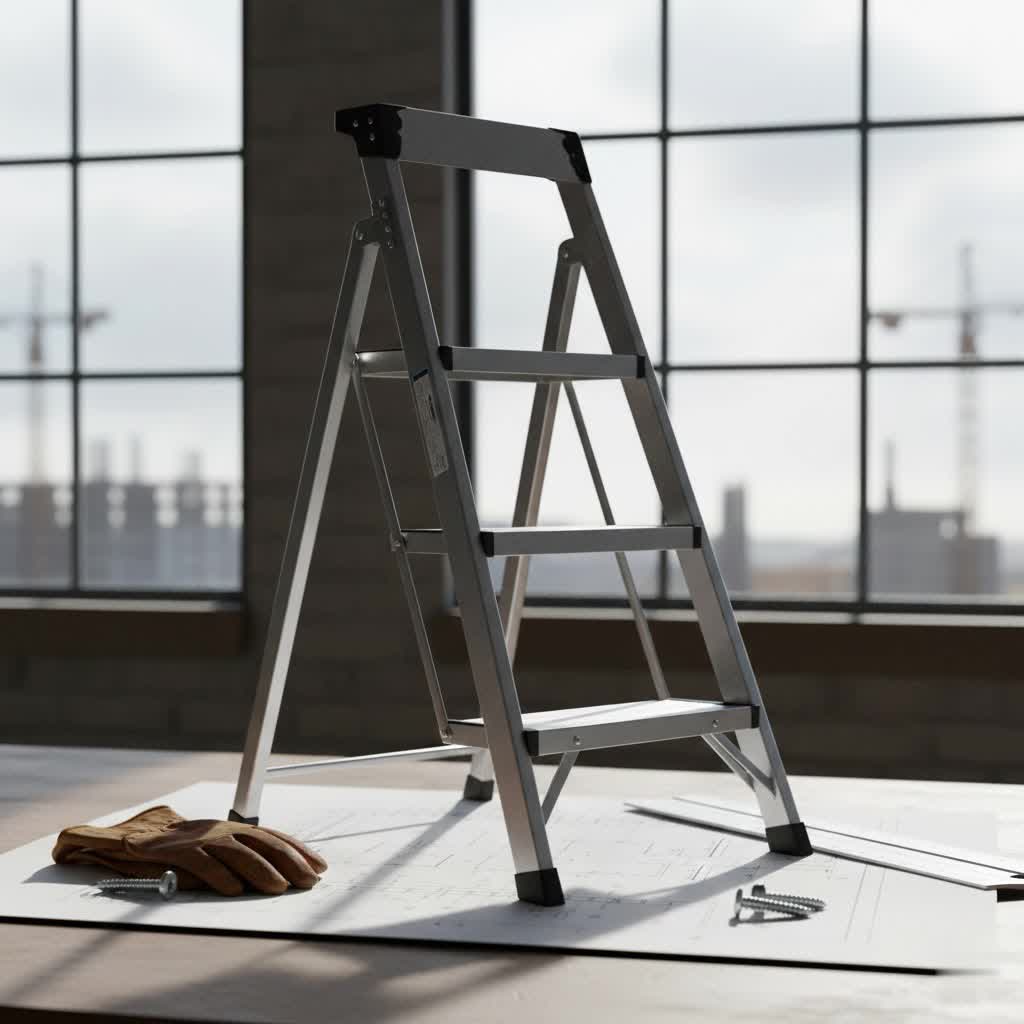
Step into any well-appointed home or bustling workshop, and you’re likely to find a step ladder. While modern materials like aluminum and fiberglass dominate the market, the classic step wooden ladder continues to hold a special place, blending unparalleled aesthetics with practical functionality. But how do you navigate the options to find the perfect wooden companion for your tasks?
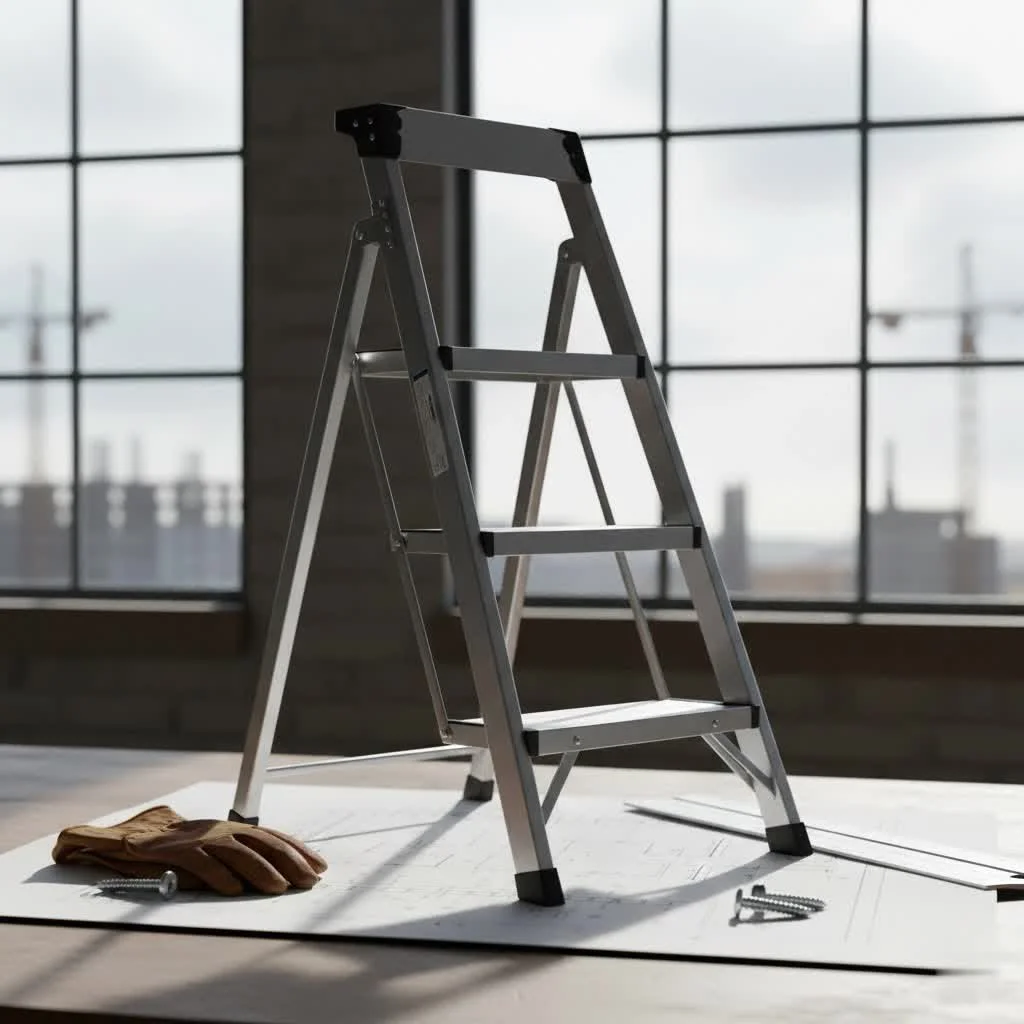
This guide dives deep into the world of step wooden ladders, exploring their types, benefits, and crucial safety considerations. We’ll equip you with the knowledge to select a ladder that not only serves your immediate needs but also complements your living or working space, ensuring stability, durability, and classic style.
Common Types of Step Wooden Ladders
Wooden step ladders are more diverse than you might imagine, each designed to meet specific needs while offering that undeniable traditional appeal.
Household Step Wooden Ladders
For tasks around the home, these ladders combine utility with a touch of elegance, often doubling as decorative pieces.
- Step Stools (1-2 Steps): These compact units are perfect for giving you that slight boost to reach high kitchen cabinets, a top bookshelf, or even to help little ones access the sink. They are generally lightweight, often foldable for easy storage, and can be sturdy enough to bear significant weight for quick, light-duty tasks. Many are crafted to be displayed, rather than tucked away, fitting seamlessly into interior design schemes.
- Folding Step Ladders (3-5 Steps): The quintessential A-frame design, these ladders are self-supporting and versatile. They offer a greater reach for changing lightbulbs, painting, or accessing higher storage. Modern versions feature rigid, hinged stays that prevent the legs from spreading, a significant improvement over older designs that used rope attachments for stability. Their folding mechanism allows for convenient storage in utility closets or garages.
- Convertible Ladder Chairs: An ingenious design, these pieces serve as a comfortable chair when not in use and quickly transform into a functional step ladder. They are ideal for smaller living spaces where multi-purpose furniture is valued, offering both seating and vertical access without clutter.
- Library Ladders: Evoking a sense of old-world charm, these are often taller, sometimes rolling ladders designed for accessing high bookshelves or display cases. While many are fixed installations, smaller, portable versions are available that offer a substantial reach for home libraries or tall pantry shelves.
Decorative & Specialty Wooden Ladders
Beyond purely functional uses, wooden ladders are celebrated for their aesthetic qualities.
- Vintage and Rustic Ladders: These ladders, often made from unfinished pine, oak, or cedar, are highly sought after by interior designers. They are primarily used for decorative purposes, serving as unique plant stands, towel racks, or charming shelving units. While they possess a beautiful antique finish, it’s crucial to remember that older, untreated wooden ladders may have deteriorated over time and might not be safe for climbing unless thoroughly inspected and reinforced. Reproductions are also popular, designed to mimic the aged look without the structural concerns.
Advantages and Disadvantages of Wooden Step Ladders
Choosing a wooden step ladder involves weighing its inherent benefits against its potential drawbacks.
Advantages
|
Our Picks for the Best Step Ladder in 2026
As an Amazon Associate I earn from qualifying purchases.
|
||
| Num | Product | Action |
|---|---|---|
| 1 | HBTower 3 Step Ladder, 3 Step Stool for Adults, 3 Step Ladder Folding Step Stool with Cushioned Handle Step Ladder with Wide Pedal Ergonomic Design,Black |

|
| 2 | HBtower 2 Step Ladder, Step Stool with Wide Anti-Slip Pedal, Step Ladder Folding Step Stool for Adults, Lightweight Steel Portable ladders for Home Kitchen |
|
| 3 | GameGem 3 Step Ladder, Folding Step Stool with Wider Pedal, Anti-Slip Feet & Non Slip Stripes, Aluminum Sturdy Material, 300Lbs Capacity, Elegant Look of Cream Chocolate Better Matches Your Home |
|
| 4 | HBTower 2 Step Ladder, Step Stool for Adults,2 Step Ladder Folding Step Stool with Wide Pedal Ergonomic Design |
|
| 5 | HBTower 3 Step Ladder Folding Step Stool, 330 Lbs Capacity Step Stool for Adults, Closet Step Stool Ladder with Anti-Slip Wide Pedals Household Office, White |
|
| 6 | 2 Step Ladder, Portable Steel Folding Step Stool with Wide Anti-Slip Pedal & Convenient Handgrip, 500lbs Sturdy Steel Ladder, Black |
|
| 7 | HBTower 2 Step Ladder,2 Step Stool for Adults Folding Step Stool with Cushioned Handle with Wide Anti-Slip Pedal Ergonomic Design |
|
| 8 | 3 Step Ladder, Portable Folding Ladder for Multi-Purpose, Home, Kitchen, Heavy Sturdy Steel Step Stool with Handrail, Anti-Slip Wide Pedals, Safe-Lock Design, Pass 500lbs Load Testing, Black |
|
| 9 | HBTower Step Ladder,Lightweight Aluminum Folding Step Stool with Anti-Slip Wide Pedal,330lbs Capacity Step Ladder-Black |
|
| 10 | HBTower Step Ladder,Lightweight Aluminum Folding Step Stool with Anti-Slip Wide Pedal,330lbs Capacity Step Ladder for Household,Kitchen,Office - BlackWoodgrain |
|
Wooden step ladders offer several compelling reasons for their enduring popularity:
- Aesthetic Appeal: There’s no denying the classic, warm, and natural look of wood. A wooden ladder can instantly add a touch of rustic charm, farmhouse chic, or timeless elegance to any space, making it an attractive design element rather than just a tool.
- Non-Conductive: Unlike aluminum ladders, wood does not conduct electricity. This makes wooden ladders a safer choice for tasks involving electrical work, providing peace of mind when working near power sources.
- Temperature Stability: Wood maintains a stable temperature, meaning it won’t become excessively hot when left in the sun or uncomfortably cold in chilly environments, which can be a significant advantage over metal alternatives.
- Affordability: While exotic hardwoods can be pricey, many functional wooden step ladders, especially those made from pine, offer an affordable and accessible option for homeowners.
- Durability (with Care): A well-constructed and properly maintained wooden ladder can last for many years, developing a beautiful patina over time that enhances its character.
Disadvantages
Despite their charm, wooden step ladders do come with certain considerations:
- Weight: Generally, wooden ladders are heavier than their aluminum counterparts, which can make them more challenging to transport and position, especially for larger models.
- Maintenance Requirements: Wood is a natural material susceptible to environmental factors. Exposure to moisture can lead to rot and weakening, while dry conditions (like central heating indoors) can cause splitting. Regular application of varnish or wood conditioner is essential to maintain its health and strength.
- Durability Concerns (without care): Older or neglected wooden ladders may creak, wobble, or show signs of deterioration. It’s critical never to paint a wooden ladder intended for climbing, as paint can mask hidden cracks or defects, compromising safety.
- Limited for Heavy-Duty Use: For demanding industrial or professional tasks requiring extreme rigidity, weather resistance, and high load capacities, fiberglass or heavy-duty aluminum ladders are typically preferred over wood.
How to Choose the Perfect Step Wooden Ladder
Selecting the right step wooden ladder requires a thoughtful approach, balancing your practical needs with your aesthetic preferences.
Consider Your Needs
Before anything else, think about the primary purpose of your ladder.
- Purpose: Are you looking for a functional tool for routine home maintenance, or a decorative piece to enhance your interior? Some ladders expertly combine both, but clarifying your main intent will guide your choice.
- Height & Number of Steps: Assess the maximum height you need to reach comfortably. A small step stool with one or two steps is perfect for everyday boosts, while a three- to five-step ladder offers more significant vertical access for tasks like cleaning ceiling fans or reaching high shelves. Remember to consider your own height for safe and comfortable use.
- Load Capacity (Duty Rating): This is a critical safety factor. Ladder duty ratings indicate the maximum weight a ladder can safely support. Common ratings include:
- Type III: Light-Duty (up to 200 pounds)
- Type II: Medium-Duty (up to 225 pounds)
- Type I: Heavy-Duty (up to 250 pounds)
- Type IA: Extra Heavy-Duty (up to 300 pounds)
- Type IAA: Super Duty (up to 375 pounds)
To determine the capacity you need, add your body weight, the weight of your clothing and equipment, and any tools or materials you’ll be carrying on the ladder. Always choose a ladder with a duty rating that comfortably exceeds this total.
Material and Construction
The quality of the wood and its construction directly impact the ladder’s stability and longevity.
- Wood Type: Different woods offer varying levels of strength and appearance. Oak, ash, and beech are known for their durability and attractive grain, making them excellent choices for sturdy, long-lasting ladders. Pine is often used for lighter, more rustic, or vintage-style ladders.
- Joints & Stays: Modern wooden step ladders should feature robust, rigid, hinged metal stays to prevent the legs from spreading under load, offering superior stability compared to older designs that relied on rope. Inspect the joints to ensure they are securely fastened and show no signs of weakness or gaps.
- Finish: A clear varnish or oil finish protects the wood from moisture and wear while allowing you to inspect the timber for any defects. As a best practice, avoid painted wooden ladders for climbing, as paint can conceal structural issues.
Safety Features
Your safety should always be the top priority.
- Non-Slip Feet and Steps: Look for ladders equipped with rubberized or textured feet to prevent slipping on smooth surfaces. Steps should have a non-slip surface, either through texturing, grooves, or anti-slip pads, to ensure secure footing.
- Sturdy Handrails: For taller step ladders or if you require extra support, especially for elderly users, a well-designed handrail at the top provides a crucial point of contact for stability and balance.
- Stable A-Frame Design: Ensure the ladder opens to a stable A-frame stance, with all four legs firmly on the ground, without any wobbling or instability.
Portability & Storage
Consider how easily you can move and store your ladder.
- Folding Mechanisms: A smooth and secure folding mechanism is essential for convenient storage. Test it to ensure it operates easily and locks firmly in both open and closed positions.
- Overall Weight: While wooden ladders are generally heavier, assess if the weight is manageable for you to carry and reposition around your home or workspace without strain.
Essential Maintenance and Safety Tips
To ensure your wooden step ladder remains a safe and reliable tool for years to come, proper maintenance and adherence to safety guidelines are crucial.
Regular Inspections
- Pre-Use Checks: Before each use, conduct a quick visual inspection. Look for any cracks, splinters, splits, loose joints, or signs of rot or insect damage. Pay attention to metal components for rust. Never use a damaged ladder.
- Avoid Painting: As tempting as it might be to paint an older wooden ladder, especially for decorative purposes, avoid doing so if you intend to climb on it. Paint can effectively conceal underlying defects and weaknesses in the wood, making a potentially unsafe ladder appear sound.
Proper Storage
- Dry and Covered: Store your wooden step ladder in a clean, dry, and cool environment, away from direct sunlight or extreme temperature fluctuations. A garage or shed is ideal. Avoid leaving it exposed to the elements outdoors, as moisture and UV rays will accelerate deterioration and rot. Similarly, constant heat from central heating can cause the wood to dry out and split.
Wood Treatment
- Annual Varnishing/Oiling: To protect the wood from moisture, prevent drying, and extend its lifespan, apply a coat of clear wood varnish or a suitable wood conditioner annually. This barrier helps maintain the wood’s integrity and aesthetic appeal.
Safe Usage
- Stable Surface: Always set up your ladder on a firm, level, and non-slippery surface. Uneven ground or slick floors can lead to instability and serious accidents.
- Three Points of Contact: When ascending or descending, always maintain three points of contact (two hands and one foot, or one hand and two feet) with the ladder. Face the ladder directly.
- Respect Duty Ratings: Never exceed the ladder’s maximum load capacity, including your weight, clothing, tools, and materials. Overloading is a primary cause of ladder failure.
- Designated Purpose: Use the ladder only for its intended purpose. Do not use it as a bridge, ramp, or scaffolding unless it is specifically designed for such configurations.
- Non-Slip Footwear: Always wear sturdy, non-slip shoes when using a ladder to ensure maximum grip on the steps.
“A well-maintained wooden step ladder is a testament to timeless craftsmanship and reliability, but its safety always hinges on consistent care and diligent inspection.”
Top Characteristics of Highly-Rated Step Wooden Ladders
When evaluating a step wooden ladder, certain characteristics consistently stand out among top-rated options, ensuring both safety and satisfaction.
- Solid Wood Construction: The best wooden ladders are crafted from high-quality, dense hardwoods like solid oak, ash, or beech. These materials offer superior strength, stability, and resistance to warping compared to softer woods.
- Robust Folding Mechanism: For folding models, a smooth, secure, and durable hinge mechanism with rigid metal stays is paramount. This ensures the ladder locks firmly in place when open and folds compactly for storage without compromising structural integrity.
- Ergonomic and Safe Design: Look for wide, deep steps that provide ample footing and comfort, along with effective non-slip surfaces. Well-positioned handrails that offer a secure grip significantly enhance user confidence and safety, especially on taller models.
- Multi-Functional Appeal: Highly-rated wooden step ladders often excel in versatility, seamlessly transitioning from a practical tool to a charming piece of furniture. Whether it’s a ladder that converts into a chair or one designed to serve as an attractive plant stand, this dual functionality adds significant value.
- Exemplary Craftsmanship: Attention to detail, precision in joinery, and a quality finish are hallmarks of a superior wooden ladder. These elements not only contribute to its aesthetic appeal but also its overall durability and safe performance.
Conclusion
A step wooden ladder offers a unique blend of functionality, durability, and classic style that metal or fiberglass alternatives often can’t match. Whether you need a simple boost in the kitchen or a decorative accent for your living room, the right wooden ladder can be a cherished addition to your home. By understanding the different types, carefully considering their advantages and disadvantages, and prioritizing safety and maintenance, you can confidently choose a ladder that not only meets your needs but also becomes a timeless piece in your daily life.
What is the next task you’re looking forward to tackling with your perfect wooden step ladder?
Frequently Asked Questions
Are wooden step ladders safe for everyday use?
Yes, wooden step ladders are safe for everyday use if they are well-constructed, regularly maintained, and used according to safety guidelines. Always inspect the ladder for any defects before use and ensure it’s placed on a stable surface.
How long do wooden step ladders typically last?
With proper care and maintenance, including annual varnishing or oiling and dry storage away from extreme weather, a quality wooden step ladder can last for many years, even decades, becoming a durable heirloom.
Can you paint a wooden step ladder?
While you can paint a wooden step ladder for decorative purposes, it is strongly advised against painting any ladder intended for climbing. Paint can hide critical defects like cracks or splits in the wood, making the ladder unsafe to use.
What types of wood are best for step ladders?
Hardwoods like oak, ash, and beech are generally considered best for step ladders due to their strength, density, and durability. Pine is also commonly used, especially for lighter or more rustic designs.
What is the average weight capacity of a wooden step ladder?
The weight capacity of a wooden step ladder varies greatly depending on its construction, wood type, and design. Always check the manufacturer’s duty rating, which can range from Type III (200 lbs) to Type IAA (375 lbs), to ensure it meets your needs.
Get our weekly buyer guide
Practical specs, not advice. Unsubscribe anytime.
